
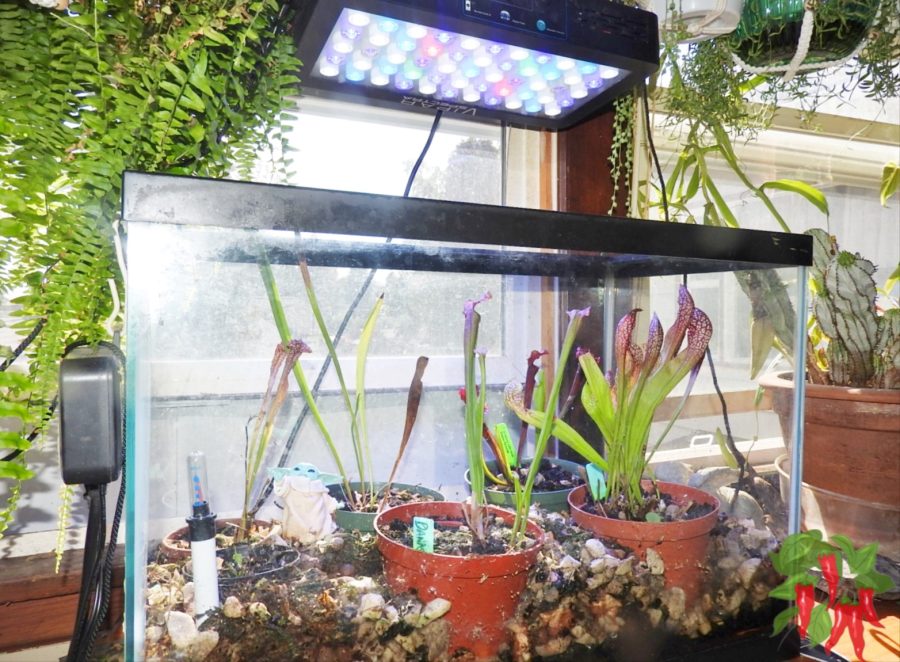
Welcome to Indoor Garden Lighting Made Easy — your step-by-step guide to bright, healthy, thriving plants!
Whether you’re growing herbs on a kitchen shelf or veggies under LEDs, this beginner-friendly guide makes lighting simple.
You’ll learn how to pick the right lights, find the best spots, and keep your plants glowing with energy year-round — no guesswork, no jargon, just beautiful growth. 🌞
Before You Get Started: Here’s What You’ll Learn
🔆Indoor Garden Lighting Quick Guide
- 💡 Understand the basics: Learn how light affects plant growth and why it matters indoors.
- 🌞 Choose the right setup: Discover the best grow lights, placement, and timers for your space.
- 🌿 Mix natural and artificial light: Use windows and LEDs together for year-round brightness.
- 🔧 Troubleshoot easily: Spot signs of too much or too little light and fix them fast.
- 📆 Adjust with the seasons: Keep your plants thriving through winter, spring, and beyond.
- 🪴 Grow confidently: Create a low-stress, energy-efficient lighting setup that fits your indoor garden goals.
🔗 Indoor Garden Lighting: Learn More by Topic
- Natural Light vs Grow Lights: How to decide what your plants actually need.
- Grow Light Setup for Beginners: Simple, stress-free ways to get started.
- Do You Really Need Grow Lights? When lights help—and when they don’t.
- What Kind of Light Do My Houseplants Need? Matching plants to light levels.
🌿 Indoor Garden Lighting Made Easy: The Ultimate Beginner Guide
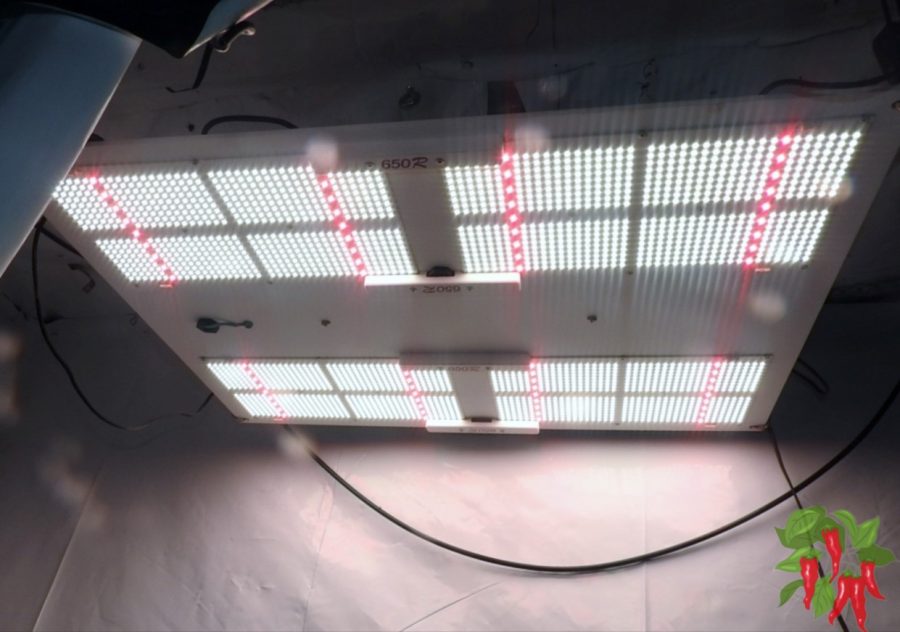
Light is the lifeblood of your indoor garden! Get it right and your plants will reward you with lush leaves, strong roots, and steady harvests.
The best part? You don’t need a complicated setup—just a few simple rules for choosing lights, placing fixtures, setting timers, and solving lighting problems fast.
This guide walks you through everything step-by-step so you can grow confidently indoors.
Related Lighting Guides
Grow Light Setup for Beginners 🌞
New to grow lights? Don’t worry—this part’s easy! Follow these steps for a bright, healthy start 🌿:
- 🪴 Pick your spot: A shelf, table, or rack where plants get airflow and you can plug in a timer.
- 💡 Choose a fixture: Full-spectrum LED is efficient, cool, and beginner-friendly.
- 📏 Hang or position: Start 12–18″ above your plants and adjust weekly as they grow.
- ⏰ Use a timer: Consistency beats guesswork—set it once and relax.
- 👀 Check weekly: Are plants stretching or burning? Adjust height or hours slightly.
Pro tip: Reflective surfaces (white walls, Mylar, even foil-covered cardboard) bounce light back to leaves for a free brightness boost
👉 Grow Light Setup for Beginners: Easy Setup Tips
Grow Light Basics & Placement 🔦
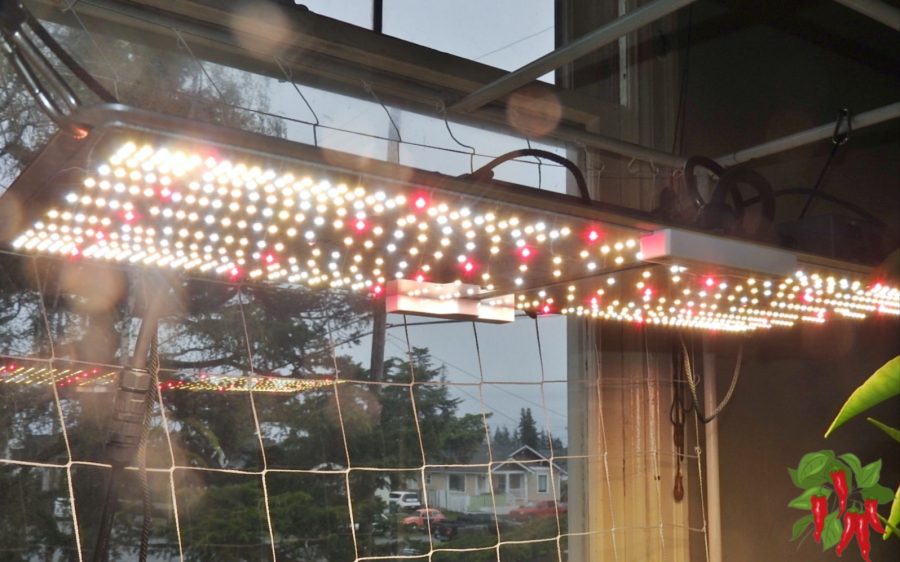
Understanding a few lighting fundamentals helps avoid 90% of plant problems:
- 💡 LED vs Fluorescent: LEDs are cooler, efficient, and ideal for tight spaces. Fluorescents are great budget starters.
- 🌈 Full spectrum: Means your plants get all the “colors” they’d get from the sun.
- 📐 Distance: Too far = leggy growth; too close = leaf burn. Start with 12″ and adjust weekly.
- 🕒 Duration: 12–14 hours daily for most veggies and herbs, 8–12 for houseplants.
Quick tip: Plants reaching toward the light = not enough light. Burned edges = too close. Find that happy medium 😎.
Natural Light vs Grow Lights 🌤️
Not all spaces need grow lights—but most benefit from a combo. Here’s how to decide:
- 🌞 Natural light pros: Free and full-spectrum but varies by season and window direction.
- 💡 Grow light pros: Reliable brightness and control—perfect for consistent results.
- ⚡ Best combo: Use windows as “base light” and grow lights to fill the gaps.
Test it: If you can’t comfortably read a book there mid-day, your plants probably need a little extra light.
👉 Natural Light vs Grow Lights: Best Light for Indoor Plants
Light Timers & Plant Cycles ⏰
Plants love routine! Here’s how much light different types need 🌿:
- 🥬 Leafy greens & herbs: 12–14 hours/day
- 🍅 Fruiting veggies (tomatoes, peppers): 14–18 hours/day
- 🌵 Houseplants & succulents: 8–12 hours/day
💡 Set it and forget it: Use a timer to keep lights consistent—plants rest at night too!
Window Direction & Plant Light 🪟
Window direction determines natural light intensity:
- 🌞 South-facing: Brightest and longest light—perfect for sun lovers.
- 🌅 East-facing: Gentle morning sun—ideal for many herbs.
- 🌇 West-facing: Strong afternoon light—watch for heat near glass.
- 🌥️ North-facing: Soft light—add LEDs for stronger growth.
Shadow test: Crisp shadow = bright ☀️; fuzzy = moderate 🌤️; faint = low light 🌑.
Do You Need Grow Lights for Indoor Plants?
Best Spots for Indoor Gardens 🪴
Where you place your plants affects everything—from growth rate to ease of care!
- 🧱 Vertical racks: Save space and make lighting easier to manage.
- 🪟 Near bright windows: Combine natural and artificial light.
- 💨 Good airflow: Prevent mold and overheating.
- ⚡ Easy power access: Keep lights and timers safely plugged in.
💡 Tip: Reflective walls or white paint multiply light efficiency instantly!
Indoor Gardening in Small Spaces
Lighting becomes even more important in apartments and compact homes where window space is limited.
Budget Indoor Lighting Ideas 💸
You don’t have to spend big to get bright results:
- 🔌 Start small: Clip-on LED lamps are affordable and flexible.
- 🛒 Thrift or reuse: Old shelf? Add a bar light—instant grow station.
- 🌈 Use reflectors: Boost brightness with foil or foam board walls.
- ⚙️ Energy-efficient LEDs: Lower cost, lower heat, happier plants.
💡 Smart move: Track your electric use to find your light “sweet spot.”
Low-Light Houseplant Setups 🌿
No big windows? You can still grow a lush oasis indoors:
- 🌵 Best plants: Snake plant, pothos, peace lily, ZZ plant.
- 💡 Mini LEDs: Small, focused light close to leaves does wonders.
- 🔄 Rotate weekly: Keep growth even on all sides.
- 🧽 Dust leaves: Clean surfaces = more light absorption!
🌥️ Remember: “Low light” still means “some light”—steady brightness keeps plants happy.
Fixing Indoor Lighting Problems 🚨
Is something off? Here’s your quick lighting “first aid kit”:
- 📏 Leggy stems: Too little light—move light closer or increase hours.
- 💛 Pale leaves: Weak light or too much shade—boost intensity.
- 🔥 Scorched spots: Light too close—raise fixture or shorten exposure.
- 🍅 No blooms or fruit: Increase duration and brightness.
📝 Track changes: Adjust one variable at a time and watch results for a week.
Seasonal Changes & Indoor Garden Lighting ❄️🌞
Seasons shift—your lighting should too:
- ❄️ Winter: Add 2–3 hours more light or move plants closer.
- 🌸 Spring: Use more natural light as days lengthen.
- ☀️ Summer: Reduce artificial light if windows are bright.
- 🍂 Fall: Slowly extend timer hours again for shorter days.
📱 Smart hack: Program a “winter mode” in your timer app for easy adjustments.
🌼 Quick Lighting Recipes
- 🍃 Herb shelf: 12–14 h/day, LED 10–12″ above tops, rotate weekly.
- 🥬 Leafy greens: 14 h/day, bright full-spectrum coverage, harvest often.
- 🍅 Fruiting crops: 16–18 h/day, strong light, trim for airflow.
- 🌵 Low-light houseplants: 8–12 h/day, close LED, clean leaves monthly.
💬 FAQs: Indoor Lighting & Setup
How many hours of light do indoor plants need?
Most herbs and greens need 12–14 hours; fruiting veggies up to 18 hours; houseplants 8–12 hours. Use a timer for consistency ⏰.
Can I use regular LED bulbs as grow lights?
Yes, for low-light houseplants. For veggies or seedlings, true grow lights give stronger, balanced output 🌈.
How far should my grow lights be from plants?
Start at 8–14″ above foliage and adjust based on growth and leaf color.
Can I leave lights on all day for faster growth?
Nope! Plants need sleep, too. Always include 6–8 hours of darkness.
My plants are stretching—what should I fix?
Move the light closer, extend hours, or add a second fixture for even coverage.
Do I really need “full spectrum” lighting?
Yes! It’s safe and effective for all plants—mimics natural sunlight 🌤️.
Can I mix sunlight and LEDs?
Absolutely! Combine window light with LEDs for balanced brightness all day.
How can I tell if my window is bright enough?
Try the shadow test—crisp = bright, fuzzy = medium, faint = low. Add light if needed.
✅ Action Plan: Light Like a Pro
- 🪟 Pick your growing spot: shelf, rack, or sunny sill.
- 💡 Install full-spectrum LEDs: size them to your plants.
- ⏰ Set a timer: keep consistent light/dark cycles.
- 📏 Adjust height: watch leaves, move lights weekly.
- 🧭 Seasonal tweak: add hours in winter, ease off in summer.
- 📝 Observe & adapt: plants show you what they need!
🌻 Indoor Garden Lighting Conclusion
Lighting doesn’t have to be complicated. With a simple setup, a timer, and a little observation, you’ll grow stronger plants, tastier herbs, and happier houseplants—all year long.
Start small, stay curious, and keep experimenting. You’ve got everything you need to light your way to success.
🌿 Keep Building Your Indoor Garden Setup
Lighting works best when paired with proper watering, smart plant choices, and the right growing setup. Keep learning and strengthen your indoor garden from the ground up.
- How Often Should You Water Indoor Plants?
- Best Soil Mixes for Containers
- What to Grow: Best Plants for Your Indoor Space
- Indoor Gardening for Beginners
- Explore more beginner-friendly lighting help in our
Light and Setup category.
📚 References & Further Reading
Explore trusted university resources for more on indoor lighting, plant placement, and year-round growing success:
- University of Maryland Extension — Lighting for Indoor Plants
- University of Minnesota Extension — Lighting for Indoor Plants
- University of Illinois Extension — Lighting (Indoor Houseplants)
- Iowa State University Extension — Growing Indoor Plants Under Supplemental Lights
- Texas A&M AgriLife Extension — Light, Temperature, and Humidity

👋 About the Author
Steve is the creator of Indoor Gardening Essentials and a hands‑on indoor gardener with years of experience growing plants in small apartments, tight corners, and low‑light spaces.
He specializes in practical, beginner‑friendly setups—from kitchen herbs and windowsill succulents to self‑watering planters, terrariums, and simple hydroponic systems. Everything he teaches comes from real experimentation, not guesswork.
Steve documents his projects, successes, and occasional failures on his YouTube channel Small Farms Big Ideas , where he tests grow lights, soil mixes, watering routines, and small‑space gardening methods.
His goal is simple: help new indoor gardeners build confidence, avoid common mistakes, and grow healthy plants—no matter how small their space is.