
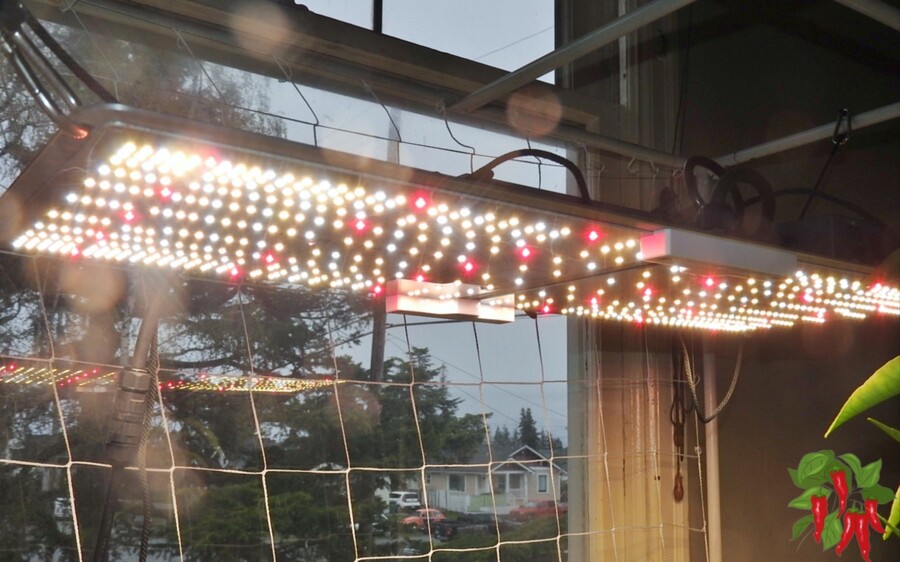
If you’re new to indoor gardening, grow lights can feel like a requirement.
Scroll through social media and it looks like every plant lives under a glowing purple lamp.
Do you really need grow lights to garden indoors? Here’s the truth: many indoor gardens grow perfectly well without grow lights at all 🌿.
Before you add anything new to your setup, it helps to understand what light actually does for plants — and when extra light truly makes a difference.
✨ What You’ll Learn
- What indoor plants really need from light (and what they don’t) 🌞
- When natural light is usually enough for indoor gardening 🪟
- Clear signs your plants may need more light 🌱
- Simple light fixes you can try before adding grow lights 🛠️
- When grow lights actually help — and when they’re optional 💡
🌞 What Light Really Does for Indoor Plants
Light is how plants make energy. Through photosynthesis, plants turn light into the fuel they need to grow leaves, roots, and flowers.
When light is limited, plants don’t instantly die — instead, they adapt. Growth slows, stems stretch toward brighter areas, and leaves may become smaller or paler over time.
That’s why “not enough light” doesn’t always look dramatic at first. It’s usually a gradual change that shows up weeks or months later.
Just as important: light quality and consistency matter more than intensity alone. A steady, bright window often beats inconsistent artificial light.
🏠 When Natural Light Is Usually Enough
You probably don’t need grow lights if:
- Your plants sit near bright windows for several hours a day
- You’re growing low- to medium-light plants like pothos, snake plant, philodendron, peace lily, or many herbs
- Your plants look compact, upright, and evenly colored
Many popular houseplants evolved under forest canopies, not in direct sun. Bright, indirect window light often matches their natural environment surprisingly well.
Helpful habit: Rotate plants weekly so all sides receive similar light. This alone fixes many “leaning” issues.
🌱 Signs Your Plants Might Need More Light
Instead of assuming you need grow lights, watch what your plants are telling you:
- Long, thin stems stretching toward windows
- Pale or yellow new growth (not caused by watering problems)
- Very slow growth during spring and summer
- Plants that never bloom despite healthy leaves
These are light clues — not automatic signals that you need to buy equipment.
🪟 Try These Light Fixes First (No Equipment Needed)
Before adding grow lights, try simple adjustments:
- Move plants closer to windows (even 1–2 feet can help)
- Place plants higher so they’re closer to the light source
- Use light-colored walls or reflective surfaces nearby
- Clean windows — dust and grime reduce light more than you’d expect
Many “low-light problems” disappear once plants are simply placed where light is strongest.
🌿 Matching Plants to Your Home’s Light
One of the easiest ways to avoid grow lights is choosing plants that fit your space.
If your home has limited natural light, focus on plants known to tolerate it. If you have bright windows, you’ll have more flexibility.
Problems often happen when high-light plants are placed in low-light rooms — not because grow lights are missing, but because the plant choice doesn’t match the environment.
💡 When Grow Lights Actually Help
Grow lights make sense when:
- Your home has very few windows or heavy shade
- You’re growing edible plants indoors that need consistent light
- Winter days are short and growth completely stalls
- Plants must live far from windows by necessity
In these situations, grow lights support your setup. They don’t replace good watering, soil, or plant selection.
🧠 Grow Lights vs Good Gardening Habits
It’s worth saying clearly: grow lights don’t fix overwatering, poor drainage, or inconsistent care.
Indoor gardens succeed because of:
- Regular watering routines
- Proper pot drainage
- Plants matched to available light
Light is just one piece of the puzzle — an important one, but not the only one.
🌿 Do You Really Need Grow Lights to Garden Indoors?
For many indoor gardeners, the answer is no — at least not at first.
Start by understanding your space, adjusting plant placement, and watching how your plants respond. If light truly limits growth, supplemental lighting becomes a helpful option — not a requirement.
📚 Lighting Reference
Lighting for indoor plants and starting seeds — University of Minnesota Extension
This resource helps readers understand how to evaluate natural light levels and how different light environments affect plant growth, which directly ties into your “Do You Really Need Grow Lights to Garden Indoors” topic. University of Minnesota Extension
📌 URL: https://extension.umn.edu/planting-and-growing-guides/lighting-indoor-plants
For a broader view of how simple tools reduce guesswork without overcomplicating your setup, visit
Indoor Gardening Tools and Supplies Made Simple.
And for a deeper dive into indoor lighting basics, start here:
Indoor Garden Lighting Made Easy.
Want more advanced tips and tricks? Visit my Indoor Vegetable Grower website
💬 FAQs
Can indoor plants survive without grow lights?
Yes. Many popular houseplants grow well with bright windows and consistent care. Grow lights help when natural light is limited or you’re growing light-hungry plants indoors.
How do I know if my plant needs more light?
Common signs include stretching, leaning toward windows, pale new growth, slow growth during spring or summer, and lack of flowering.
What’s the easiest way to increase indoor light without buying anything?
Move plants closer to windows, rotate them regularly, clean windows, and use lighter wall colors or reflective surfaces nearby.

👋 About the Author
Steve is the creator of Indoor Gardening Essentials and a hands‑on indoor gardener with years of experience growing plants in small apartments, tight corners, and low‑light spaces.
He specializes in practical, beginner‑friendly setups—from kitchen herbs and windowsill succulents to self‑watering planters, terrariums, and simple hydroponic systems. Everything he teaches comes from real experimentation, not guesswork.
Steve documents his projects, successes, and occasional failures on his YouTube channel Small Farms Big Ideas , where he tests grow lights, soil mixes, watering routines, and small‑space gardening methods.
His goal is simple: help new indoor gardeners build confidence, avoid common mistakes, and grow healthy plants—no matter how small their space is.