

Figuring out what kind of light your houseplants need can feel confusing at first, but it’s one of the most important parts of indoor plant care. Light affects growth, color, watering needs, and overall plant health more than almost anything else.
The good news is you don’t need perfect sunlight or expensive equipment to grow healthy indoor plants. You just need to understand the light you already have and match it to the right plants.
In this guide, you’ll learn how to recognize different light levels, how window direction changes plant growth, when grow lights make sense, and how to spot common light problems before they hurt your plants. 🌿💡
What You’ll Learn ☀️
🪟 How window direction affects plant growth and light strength
🌿 Which types of houseplants fit each light level best
💡 When to use grow lights and how to use them properly
🚨 How to spot signs of too much or too little light
🧠 Simple habits that make indoor plant lighting easier to manage
What Kind of Light Do My Houseplants Need? 🌿💡
Hey there, indoor plant lover! 🌱 If you’ve brought home a lush new foliage friend (or five) and you’re wondering — “What kind of light does this plant need?” — you’re in the right place.
Light is one of the most confusing parts of plant care, but it’s also the most important.
Here’s the deal: your plant’s light is basically its food 🍽️.
If the light is wrong, your plant might survive… but it won’t thrive.
The good news? You don’t need fancy gear or a sunny greenhouse. You just need to understand the light you already have and match the right plant to it. 💚
Why Houseplant Light Matters 🌞➡️🌿
Plants use light + water + carbon dioxide to make energy (photosynthesis). Indoors,
light is usually the #1 thing holding plants back. Not watering. Not fertilizer. Light. 🔦
Here’s what can happen with the wrong light:
- Too little light 😪: slow growth, skinny stretched stems, tiny leaves, overall “weak” posture
- Too much light 😵: crispy brown edges, bleached patches, leaves curling or hiding from the sun
When you ask “Why is my plant unhappy?” you should also ask:
“Is this plant actually getting enough of the right kind of light every single day?” 🌤️
Understanding Natural Light in Your Home 🏡
☀️ Window Direction & What It Means
The direction your windows face = the personality of your plant light. (Assuming you’re in the Northern Hemisphere 🌎)
- South-facing windows 😎: Strongest, longest sun. Great for plants that love direct light.
- West-facing windows 🌇: Intense afternoon sun. Warm, sometimes a little “spicy.”
- East-facing windows 🌅: Gentle morning sun. A sweet spot for lots of leafy tropical houseplants.
- North-facing windows 🌥️: Soft, indirect, lower-intensity light. Best for “low light tolerant” plants.
Bonus tip: outside shade (trees, buildings, balcony railings) can downgrade even a “good” window.
A south window blocked by a tree might act more like an east window.
Learn How Window Direction Affects Plant Growth
🔆 Intensity, Duration & Quality
When growers talk about “light,” they usually mean:
- Intensity 🔎: how strong the light is
- Duration ⏱️: how many hours each day the plant gets that light
- Quality 🎨: how “useable” the light spectrum is for the plant
Common light levels you’ll see on plant care tags:
- Direct light ☀️: Sunbeams hit the leaves directly. Can be powerful (and sometimes harsh behind glass).
- Bright indirect light 🌤️: Room is very bright, but sun isn’t blasting the leaves head-on. Diffused, bounced, or filtered light.
- Low light 🌙: The space never gets direct sun, but it’s still bright enough to walk around during the day without turning on a lamp.
Distance is HUGE. A plant sitting right on the windowsill gets way more usable light than the same plant sitting 6 feet back on a shelf.
Moving a plant 2-3 feet closer can literally change its life. 💃🌿
🕶️ How to “Read” the Light in Your Space (1-Minute Test)
Try this where you plan to put your plant:
- Hold your hand 6-8 inches above a white surface (paper, table, wall)
- Look at the shadow 👇
- Sharp, dark shadow: High / bright light 💯
- Soft, fuzzy shadow: Medium / bright indirect 👍
- Barely any shadow: Low light 😴
Also note when the light shows up:
🌅 Morning (east) = gentle, plant-friendly
🌇 Afternoon (west) = warmer, sometimes harsh
☀️ Midday (south) = intense, can burn softer leaves through glass
Matching Your Plant to the Right Light Level 🌞🌥🌙
Stop guessing. 💡 Start matching. Put the right plant in the light you already have. That’s the easiest path to happy plants.
1. High Light / Direct Sun Lovers ☀️🔥
These plants want several hours of direct sun. Indoors, they usually live best right in the window.
- Succulents & cacti 🌵
- Small citrus / indoor lemon or lime trees 🍋
- Sun-loving herbs like rosemary 🌿
Watch for:
- Leaf scorch if the sun is very intense through the glass 🔥
- Faster drying soil (you’ll water more often) 💦
2. Bright Indirect / Moderate Light Plants 🌤️
These are the classic “houseplants” you see everywhere.
They like strong light but not harsh, blasting rays all afternoon.
- Most common tropical foliage plants 🌴
- Many vining houseplants and bushy tabletop plants 🪴
- Anything labeled “bright, indirect light” on the tag
Good spots:
- Right next to an east-facing window 🌅
- A couple feet back from a bright west or south window with a sheer curtain 🏠🪟
- A bright room where you can read without turning on a light 📖
3. Low Light / Tolerant Plants 🌙💤
These plants can tolerate lower light. “Low light” does NOT mean “no light.”
(No light = closet = plant funeral. 🚫🌱)
- Tough foliage plants with solid green leaves 💚
- Plants sold as “great for offices” or “low light tolerant” 🏢
In low light, expect:
- Slower growth (totally normal) 🐢
- Less color or variegation 🎨⬇️
- Leaves that get larger/thinner to try to grab more light 📏
Tip: Don’t force a sun-lover into a dark hallway and hope. Be kind to yourself and just choose plants that like shade… or add a grow light. 💡💖
Choose Plants That Match Your Light
Using Artificial Light (Grow Lights) 💡🌱
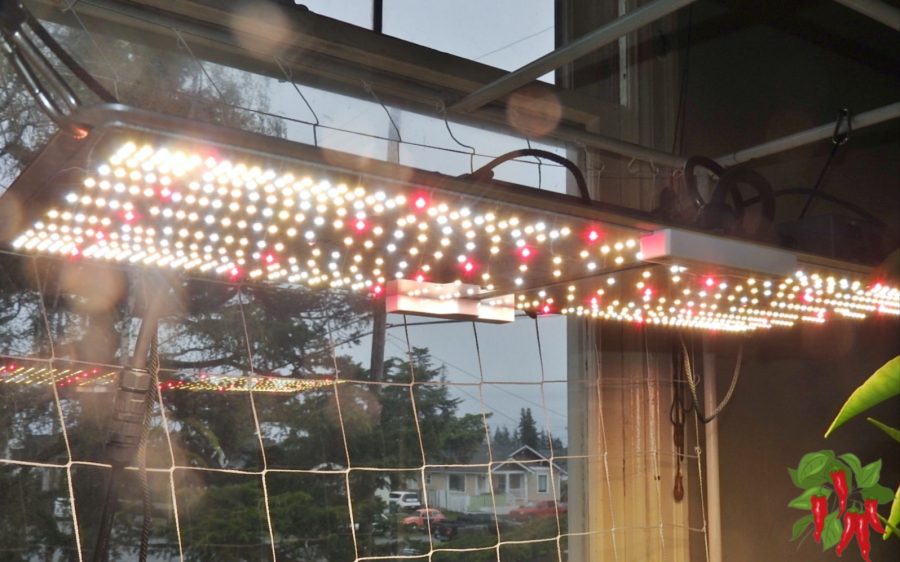
Not enough window light? Gloomy apartment? North-facing everything? Winter?? You can still grow plants. 💪
Grow lights = controlled sunshine on demand.
When Should You Use a Grow Light? 📉➡️💡
- Your plant keeps leaning dramatically toward the nearest window 🧍➡️🪟
- You live in a basement, hallway, or shaded room 🌑
- You want to grow herbs, citrus, or succulents indoors year-round 🌿🍋
- Winter days get short and your plants basically stop growing ❄️
Types of Lights (Beginner Version) 🛠️
- LED grow lights: Energy efficient, low heat, full-spectrum options. Best overall pick for most people. ✅
- Fluorescent lights: Still useful, especially for seedlings and leafy greens. 🌱
- Regular lamps / warm bulbs: Usually too weak and the wrong spectrum for long-term growth. 🙅
Distance & Timing Tips ⏱️📏
- Keep LED grow lights about 12–24 inches above your plant canopy (depends on brightness).
- Give most foliage houseplants around 12–14 hours/day under a grow light.
- Use an outlet timer so you don’t have to remember on/off ⏰.
- Don’t run lights 24/7 — plants need dark rest time, too. 🌙
You’ll sometimes see scary terms like PPFD or PAR.
Ignore that at first.
For most houseplants, a decent full-spectrum LED grow light + consistency = success. 🌈👍
Troubleshooting Light Problems 🆘🌿
Too Little Light 😩
- Long, stretched, floppy stems (aka “leggy”)
- Lower leaves yellowing and dropping
- Tiny weak new leaves
- Plant leaning super hard toward the window like it’s begging for sun 🙏☀️
Fix it fast:
- Move the plant closer to the window 🪟➡️🌿
- Clear anything blocking the light (blinds, curtains, other plants)
- Add a small LED grow light above or next to it 💡
Too Much Light 😵🔥
- Bleached or washed-out patches
- Crispy edges or brown tips
- Leaves curling or cupping down to shield themselves
Fix it fast:
- Pull the plant a few inches farther from the direct sun 🪴⬅️☀️
- Use a sheer curtain as a “plant sunscreen” 🧴🪟
- Rotate it so the same leaves don’t get blasted constantly 🔄
Quick Self-Check ✅
- Is the plant leaning? = Not enough light
- Is it crispy/bleached? = Too much light
- Are leaves dusty? Dust blocks light — wipe gently with a damp cloth 🧼
- Have you rotated it lately? 🔄
- Did the seasons change? Winter light is weaker and shorter ❄️
Practical Daily / Weekly Light Habits 🌿🗓️
These tiny habits make you look like a total plant pro (without actually being one 😏).
- Rotate your plants every couple of weeks so all sides get light 🔄🌿
- Wipe dust off leaves with a soft, damp cloth so they can absorb more light 🧽✨
- Clean your windows once in a while — dirty glass = less light getting through 🪟🧼
- Watch the sun path in your room morning vs afternoon, so you know which spots are strongest ⛅
- Group plants by need: sun-lovers together, shade-lovers together. Easier to manage 💡🌙
- Use timers for grow lights so the schedule is consistent ⏰
- Keep quick notes like: “Moved to west window 10/31 → new growth looks darker green.” That’s you doing science. 🧪📓
Thriving plants don’t come from guessing.
They come from observe → adjust → repeat. You’ve got this. 🌱💖
FAQ: Light for Houseplants ❓🌿

🌙 My plant is in a north-facing window and hardly gets any direct sun. Is that okay?
It can be! Some plants can tolerate lower light. Just know growth will be slower. If it starts leaning, stretching, or dropping leaves, scoot it a bit closer to the light or add a small grow light boost.
💡 Can I just put my plant under a normal lamp?
A regular table lamp might keep a tough plant alive, but most everyday bulbs don’t give enough intensity or the right spectrum for long-term growth. A true LED grow bulb or grow light works way better if your home is dim.
😕 My plant’s leaves are pale and floppy. Is that too much light or too little?
Pale, weak, stretchy growth usually means not enough light 🌙.
Crispy, bleached, or burned spots usually mean too much intense light ☀️.
Look at where it sits during the brightest part of the day and adjust.
⏱️ How many hours of light does my houseplant need each day?
Most tropical foliage plants like ~6–8 hours of bright indirect light daily.
Sun-lovers (succulents, citrus, herbs) want several hours of direct sun.
Low-light plants can live with less, but they’ll grow slower.
Under a grow light, ~12 hours a day is a great starting point for many foliage plants.
🌈 Does the color (spectrum) of light matter for houseplants?
For most typical houseplants, a full-spectrum LED (often sold as “daylight” or “grow”) is totally fine. You don’t have to obsess over red vs blue unless you’re doing advanced flowering setups. Intensity + consistency matters more than the exact color for beginners.
🏢 My windows are shaded by trees/buildings. Can I still grow plants?
Yes! You’ve got two easy paths:
- Choose plants that tolerate low/indirect light 🌙
- Use a small LED grow light to “fake” daylight indoors 💡
Plenty of people grow happy plants in rooms that get almost no direct sun at all. You’re not out of luck. 🌿💪
What Kind of Light Do My Houseplants Need? Conclusion 🌼🎉
Matching the right light to your houseplants is the biggest “whoa, I get it now” moment
for new indoor gardeners. Once you understand:
- 🌍 Where your light comes from (south, east, west, north window)
- ⏱️ How long that light lasts each day
- 🪴 Which plants actually want that kind of light
— everything else (watering, fertilizer, growth) suddenly gets easier.
You don’t need perfect sunlight to grow beautiful, thriving plants indoors. 💚
You just need awareness, tiny tweaks, and patience.
Your next step: pick one plant, watch how the light hits it for a week,
and see how it responds. Your plant will tell you what it needs. 🌿✨
👉 Plant Care Made Easy: Grow Happy Indoor Plants
Keep Learning Indoor Plant Lighting
References 📚
- Lighting for Indoor Plants and Starting Seeds – University of Minnesota Extension
- Light for Houseplants – UF/IFAS Gardening Solutions
- Lighting Indoor Plants – University of Maryland Extension
- Low-Light Houseplants – Penn State Extension

👋 About the Author
Steve is the creator of Indoor Gardening Essentials and a hands‑on indoor gardener with years of experience growing plants in small apartments, tight corners, and low‑light spaces.
He specializes in practical, beginner‑friendly setups—from kitchen herbs and windowsill succulents to self‑watering planters, terrariums, and simple hydroponic systems. Everything he teaches comes from real experimentation, not guesswork.
Steve documents his projects, successes, and occasional failures on his YouTube channel Small Farms Big Ideas , where he tests grow lights, soil mixes, watering routines, and small‑space gardening methods.
His goal is simple: help new indoor gardeners build confidence, avoid common mistakes, and grow healthy plants—no matter how small their space is.