
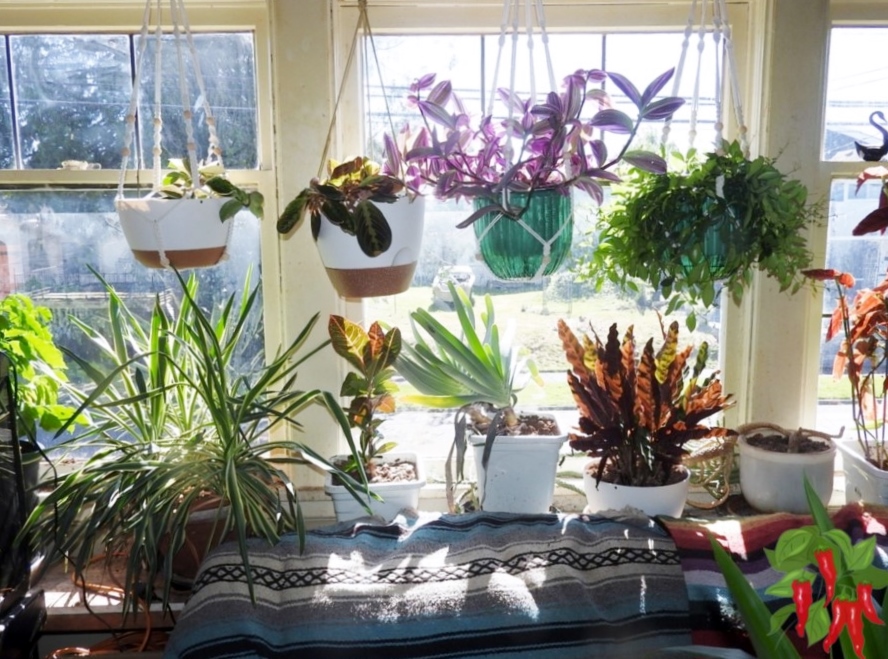
If you’ve ever moved a plant from one window to another and watched it suddenly perk up — or slowly struggle — you’ve already seen how much window direction affects indoor plants.
A room can feel “bright” to you and still be dim for plants — and two windows in the same home can behave like completely different climates. The good news? You don’t need perfect windows or fancy gear. You just need to match the plants you have to the light you actually get.
🏡 Find the Best Window Directions for Indoor Plants
In this guide, you’ll learn what north-, south-, east-, and west-facing windows really provide, which plants tend to thrive where, and how to make “not ideal” windows work with a few simple tweaks.
✨ What You’ll Learn
- What each window direction (north/south/east/west) means for indoor plants
- Which windows are brightest vs gentlest (and why)
- Why distance from the glass matters as much as direction
- How seasons change window light and plant growth
- Easy ways to improve window light without buying a ton of stuff
🪟 Why Window Direction Matters for Indoor Plants
Indoors, your plants are basically living on whatever light makes it through your windows. And that light changes based on direction, time of day, season, nearby buildings/trees, and even the tint or screens on the glass.
Here’s the simplest way to think about it:
- 🌞 More light = faster growth, stronger stems, better color
- 🌥️ Less light = slower growth, stretching, smaller leaves
If you’re trying to diagnose a struggling plant, this is a great companion read: How to Tell If Your Indoor Plants Are Getting Enough Light.
🧭 How to Tell Your Window Direction
If you’re not sure which direction your window faces, you’ve got a few easy options:
- 📱 Use your phone’s compass (stand by the window and check the direction it faces)
- 🕘 Watch when the sun hits: morning = likely east, afternoon = likely west, most of the day = likely south
- ✋ Try the shadow test: strong crisp shadows usually mean brighter light
Heads up: In apartments or shaded areas, a “south-facing” window can still be medium light if a building blocks it. Direction is a helpful starting point, not a promise.
🌥️ North-Facing Windows: Soft, Steady, and Usually the Dimmest
North-facing windows typically provide the most consistent light but usually the lowest intensity. That means they’re great for plants that tolerate lower light and don’t need direct sun — but they’re not ideal for fast growth or flowering plants.
✅ What North Windows Are Great For
- Foliage plants that prefer gentle light
- Plants that burn easily in strong sun
- “Set it and forget it” corners (as long as the plant tolerates it)
⚠️ Common North Window Problems
- Stretching/leggy growth over time
- Very slow growth (especially in winter)
- Smaller leaves and fewer new leaves
🌞 How to Make a North Window Work Better
- Move the plant as close to the glass as it safely can be
- Raise the plant higher (a plant stand can help without changing your setup)
- Clean the window and dust the leaves for a “free light boost”
- If winter is brutal, add gentle supplemental light when needed (more on that below)
If your plant is showing classic low-light symptoms, this guide helps you confirm it: Signs Your Indoor Plants Need More Light.
🌅 East-Facing Windows: Gentle Morning Sun (Beginner Favorite)
East-facing windows usually get morning sun and then softer light the rest of the day. This is one of the most forgiving directions for many common houseplants because the sun is typically less intense in the morning than later in the day.
✅ Why East Windows Are So Plant-Friendly
- Bright but not scorching
- Great balance for steady growth
- Works well for lots of leafy plants and many herbs
⚠️ East Window Watch-Outs
- Cold window glass in winter can stress plants at night
- You may need to adjust watering as seasons change (summer dries faster than winter)
🌿 Best Uses for East-Facing Light
- Seedlings and young plants that want bright light without harsh heat
- Foliage plants that like steady brightness
- Many common herbs (especially when close to the window)
Simple tip: If your plant does great in spring and summer but stalls in winter, it may simply need a small seasonal boost. That’s normal, not failure.
🌞 South-Facing Windows: Brightest Indoor Light (Great, But Can Be Intense)
South-facing windows are often the brightest option indoors. They usually deliver the longest, strongest light — which is fantastic for growth. But that also means they can be a little spicy for sensitive plants if the sun hits directly.
✅ Why South Windows Are Powerful
- Strong light for faster growth and bigger leaves
- Better chance of blooms and fruit indoors
- Great for herbs and edible plants that want more energy
⚠️ South Window Problems (Mostly in Summer)
- Leaf scorch (crispy spots) if a plant isn’t acclimated
- Faster soil drying (you may need to water more often)
- In winter, cold glass + sun can swing temps quickly
🌤️ How to “Soften” South Light Without Losing the Benefits
- Use sheer curtains to diffuse harsh rays
- Pull the plant back 1–3 feet if it’s sensitive
- Rotate weekly so one side doesn’t hog all the light
- Keep leaves clean so they can actually use the light
If you’re mixing sunlight and supplemental light, this post makes it simple: Natural Light vs Grow Lights.
🌇 West-Facing Windows: Hot Afternoon Light (Bright, But Can Stress Plants)
West-facing windows get stronger afternoon sun, which tends to be hotter and more intense than morning sun. This can be amazing for sun-tolerant plants — but it can also cause crispy leaves and overheating in summer if a plant sits right in the beam.
✅ What West Windows Do Well
- Strong light when your home is otherwise dim
- Helps growth for plants that tolerate brighter conditions
⚠️ West Window Challenges
- Heat buildup near glass in late afternoon
- Thin leaves can scorch faster than you’d expect
- Soil may dry fast in warm months (watering routine may need adjusting)
🌤️ How to Make West Light Safer
- Use a sheer curtain in peak summer
- Keep plants slightly back from the glass if they’re sensitive
- Watch the “hot zone” window hours (late afternoon) and adjust placement
📌 Quick Window Direction Summary (Easy to Remember)
- 🌥️ North: lowest intensity, most consistent — good for low-light tolerant foliage plants
- 🌅 East: gentle morning sun — great all-around beginner window
- 🌞 South: brightest/longest light — best for strong growth, blooms, and edibles (can be intense)
- 🌇 West: intense afternoon light — bright but can overheat or scorch sensitive plants
Match Plants to the Light You Have
📏 Distance From the Window Matters as Much as Direction
Here’s the part that surprises almost everyone: light drops quickly as you move away from the window. A plant on the sill and a plant across the room are living in totally different worlds — even if the room looks bright.
Beginner-friendly placement idea:
- 0–2 feet from window: brightest zone
- 2–6 feet: medium light (depends heavily on direction + season)
- 6+ feet: often low light for many plants
If you’re unsure what your plant is actually getting, this is your best diagnostic tool: How to Tell If Your Indoor Plants Are Getting Enough Light.
More Indoor Lighting Guides
❄️ How Seasons Change Window Light (Even If You Don’t Move)
Seasonal change is a big reason plants “suddenly” grow slowly or start leaning. In winter, days are shorter and the sun is weaker. In summer, the sun can be intense and hot — especially through west- or south-facing windows.
🌿 Common Seasonal Patterns
- ❄️ Winter: slower growth, soil dries slower, plants may look “stuck”
- 🌸 Spring: growth picks up as light strengthens
- ☀️ Summer: faster growth, but higher scorch risk near hot windows
- 🍂 Fall: growth slows again as daylight fades
If winter slowdown has you questioning everything, this post will calm your nerves: Why Indoor Plants Grow Slowly.
🌿 Which Plants Care Most About Window Direction?
Some plants are flexible and adapt. Others are picky. Window direction matters most for:
- 🌸 Flowering plants (they need more energy to bloom)
- 🍅 Fruiting plants (they need strong light to produce)
- 🌿 Fast growers (they show light changes quickly)
- 🎨 Variegated plants (they often fade or revert in low light)
“Low-light plants” are usually better described as low-light tolerant. They can survive in less light, but they still look better and grow better with more brightness.
🔄 Easy Ways to Improve Window Light Without Overcomplicating It
If your windows aren’t perfect, don’t panic. You can often improve results with a few simple habits.
- Clean windows: you’d be shocked how much haze blocks usable light
- Dust leaves: dusty leaves absorb less light (especially in winter)
- Raise plants: higher = closer to the window’s brightest zone
- Rotate weekly: prevents leaning and keeps growth balanced
- Use light surfaces: white walls/shelves reflect more light than dark corners
💡 When Window Light Isn’t Enough (And That’s Normal)
Some homes simply don’t get strong window light — interior apartments, heavy shade, north-only exposure, long winters, or buildings blocking the sky. That doesn’t mean you can’t grow indoors. It just means your plants may need more help in certain months.
If you’re deciding whether supplemental lighting makes sense in your home, these guides keep it beginner-simple:
Important: You don’t need a complicated setup to help plants. Consistency and placement matter more than going “high tech.”
🚫 Common Window Placement Mistakes (Easy Fixes)
- Putting a plant “in a bright room” but far from the window
- Pressing plants against hot glass in summer (scorch city)
- Leaving plants in cold window zones overnight in winter
- Watering on the same schedule year-round (winter usually needs less)
- Moving plants constantly instead of adjusting one variable at a time
Fix Common Indoor Plant Problems
🧠 How to Choose the Best Window in Your Home
If you want a practical approach that works in real life, do this:
- Find your brightest window (where light feels strongest for the longest time)
- Start close to the glass and adjust back if leaves show stress
- Rotate weekly and watch how the plant responds
- Change one thing at a time (move it first, then wait 2–4 weeks)
- Use plant signals (stretching, fading, slow growth) as feedback
If you want the full “light troubleshooting” checklist, start here: Signs Your Indoor Plants Need More Light.
💬 FAQs
Which window direction is best for indoor plants?
South-facing windows are often the brightest and best for strong growth, but east-facing windows are the most forgiving for many houseplants. The best direction depends on your plant and how close it is to the glass.
Is south-facing light always best?
Not always. South light is strong, which is great for growth, but it can be too intense for some plants in summer. Diffusing the light with a sheer curtain or moving the plant slightly back can help.
Can plants survive in north-facing windows?
Yes, many low-light tolerant plants can survive and even look good in north-facing windows, especially if they’re close to the glass. Growth will usually be slower than in brighter windows.
How far from a window is too far for most plants?
For many plants, light drops significantly after a few feet. Most plants do best within 1–3 feet of a bright window. Farther than that often becomes medium to low light depending on direction and season.
Do east or west windows work better?
East windows provide gentle morning sun and are easier for many plants. West windows can be brighter and hotter in the afternoon, which works well for sun-tolerant plants but can scorch sensitive leaves in summer.
Does window direction matter in winter?
Yes. Winter light is weaker and days are shorter, so plants often slow down even in bright windows. You may need to move plants closer to the glass and adjust watering to match slower drying soil.
Can artificial light replace window light?
It can supplement or replace window light if the setup is consistent and bright enough for your plant. Many indoor gardeners use a mix of window light and supplemental lighting during darker months.
🌻 Conclusion
The “best” window direction for indoor plants depends on what you’re growing and how close the plant sits to the glass. In general, south windows are the brightest, east windows are the most forgiving, west windows can be powerful but hot, and north windows are steady but usually dimmer.
If you take just one thing from this post, make it this: direction matters, but placement matters too. Move plants closer to the window, rotate weekly, clean leaves, and let your plant’s growth tell you what’s working.
Want the easiest next step? Use this quick guide to confirm your plant’s light level: How to Tell If Your Indoor Plants Are Getting Enough Light.
Keep Improving Your Indoor Light Setup
👉 Want to improve your indoor lighting setup even more? Explore more beginner-friendly lighting help in our Light and Setup category.
📚 References & Further Reading
For deeper, research-based guidance on indoor plant lighting, light intensity, and plant placement, these university Extension resources are excellent next reads:
- University of Minnesota Extension – Lighting for Indoor Plants
- University of Maryland Extension – Lighting for Indoor Plants
- University of Illinois Extension – Indoor Plant Lighting
- Iowa State University Extension – Growing Indoor Plants Under Supplemental Lights
- Penn State Extension – Caring for Houseplants

👋 About the Author
Steve is the creator of Indoor Gardening Essentials and a hands‑on indoor gardener with years of experience growing plants in small apartments, tight corners, and low‑light spaces.
He specializes in practical, beginner‑friendly setups—from kitchen herbs and windowsill succulents to self‑watering planters, terrariums, and simple hydroponic systems. Everything he teaches comes from real experimentation, not guesswork.
Steve documents his projects, successes, and occasional failures on his YouTube channel Small Farms Big Ideas , where he tests grow lights, soil mixes, watering routines, and small‑space gardening methods.
His goal is simple: help new indoor gardeners build confidence, avoid common mistakes, and grow healthy plants—no matter how small their space is.