
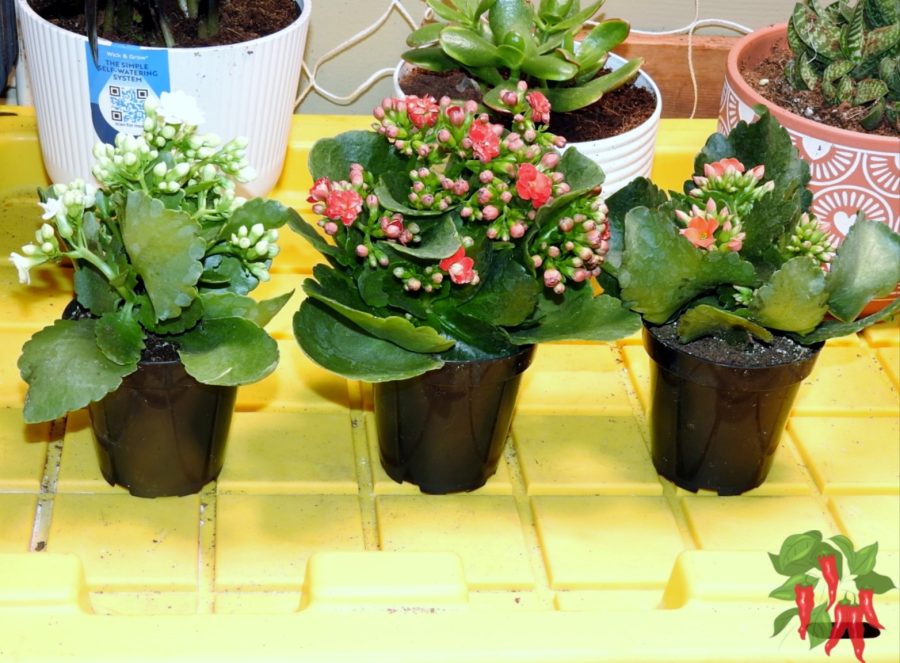
Ready to start growing your own vegetables, herbs, or flowers—even without a backyard?
🌿 With Container Gardening 101, you’ll learn how to turn any patio, balcony, or sunny window into a mini green oasis. It’s the simplest way to grow fresh food and color up your space year-round!
🌟 What You’ll Learn in Container Gardening 101
- How to choose the right containers, potting mix, and tools for healthy indoor plants.
- Which beginner-friendly herbs, veggies, and flowers thrive in small spaces.
- Easy step-by-step planting methods to get your garden started today.
- Simple watering, lighting, and feeding routines that keep plants happy year-round.
- Common container gardening mistakes to avoid (and how to fix them fast!).
- Answers to the most-asked container gardening FAQs for new growers.
🌼 Whether you’re growing herbs on a windowsill or veggies on a balcony, this guide will help you plant, grow, and enjoy your own indoor garden!
Container Gardening 101
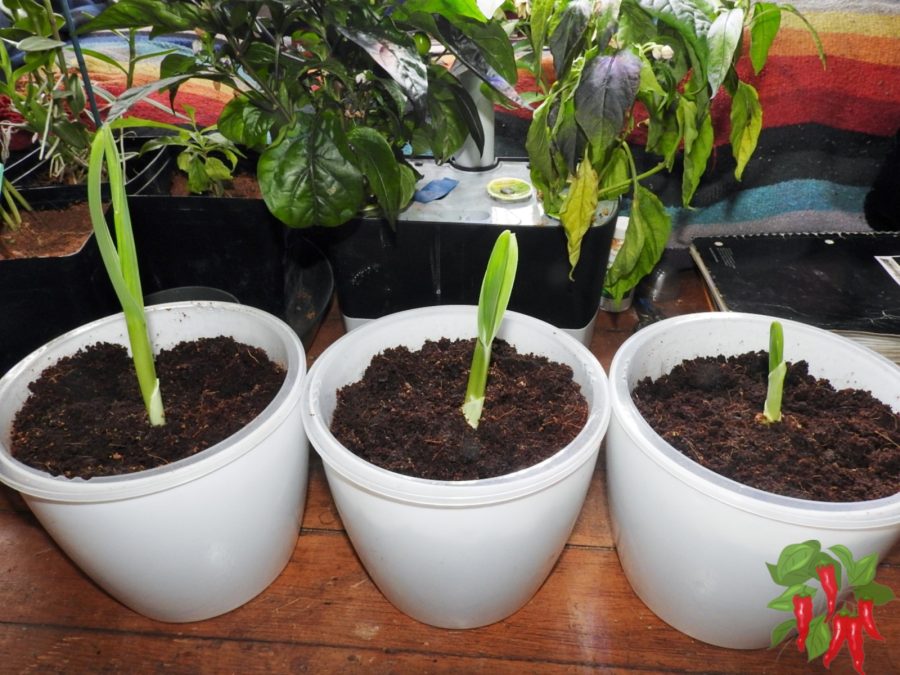
Thinking about starting your own indoor garden but short on space? 🌱 Don’t worry — Container Gardening 101 will show you how to turn even the tiniest balcony, patio, or windowsill into a lush, thriving garden.
You’ll learn how to choose the right pots, soil, and plants to make your setup both easy and rewarding.
🌿 Why Choose Container Gardening?
Container gardening is perfect when you don’t have a backyard (or simply don’t want to deal with weeds!). It gives you full control over soil, water, and light — and it’s flexible enough to fit your lifestyle.
Top reasons to start your own container garden:
- 🌻 Perfect for apartments, balconies, or small patios.
- 💧 Easier to control watering and soil conditions.
- 🌞 Great way to start gardening year-round — even indoors.
- 🍅 Ideal for growing herbs, salad greens, or small vegetables.
- 💪 Less weeding, bending, and digging — just fun, easy care!
Once you start, you’ll see how satisfying it is to grow something fresh just steps from your kitchen.
🪴 Getting Started: What You’ll Need
You don’t need fancy tools — just a few essentials to get going.
1. Containers
- Choose a pot with drainage holes to prevent soggy roots.
- Materials:
- Plastic: Lightweight, affordable, holds moisture well.
- Terra cotta: Breathable, looks classic but dries faster.
- Fabric grow bags: Great for root health and easy storage.
- Size matters: start small for herbs (6–8”), medium for greens (10–12”), and large for veggies like tomatoes (14”+).
2. Potting Mix
- Use a high-quality container mix, not garden soil — it’s lighter and drains better.
- Look for one with peat, coco coir, perlite, or compost.
3. Tools & Extras
- Watering can or spray bottle 💦
- Liquid or slow-release fertilizer
- Plant labels (so you remember what’s growing!)
- Optional: grow lights or a small fan for indoor airflow
✅ Quick Setup Checklist:
- [ ] Pots with drainage holes
- [ ] Quality container mix
- [ ] Fertilizer
- [ ] Watering can
- [ ] Chosen plants or seeds
- [ ] Bright spot with 4–6 hours of light
🌼 Choosing the Right Plants
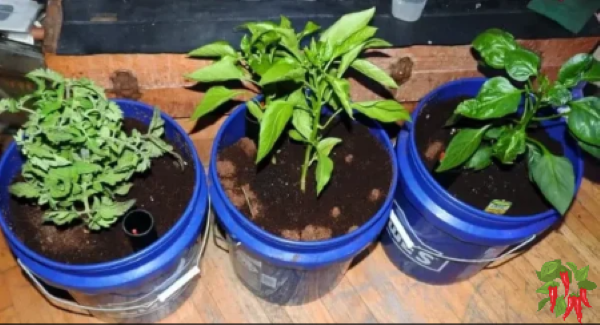
Picking plants that match your space and lighting is key to success.
Best choices for beginners:
- Herbs: Basil, parsley, mint, thyme, chives.
- Leafy greens: Lettuce, spinach, kale, arugula.
- Compact veggies: Cherry tomatoes, peppers, bush beans.
- Flowers: Marigolds, petunias, pansies, nasturtiums.
💡 Tip: Group plants with similar sunlight and watering needs in the same container. For example, herbs like basil and parsley love similar conditions — perfect for a sunny windowsill.
If your home doesn’t get much sun, choose low-light lovers like mint, pothos, or peace lilies.
Consider adding an LED grow light to grow light-loving plants or vegetables.
🌱 Planting Step-by-Step
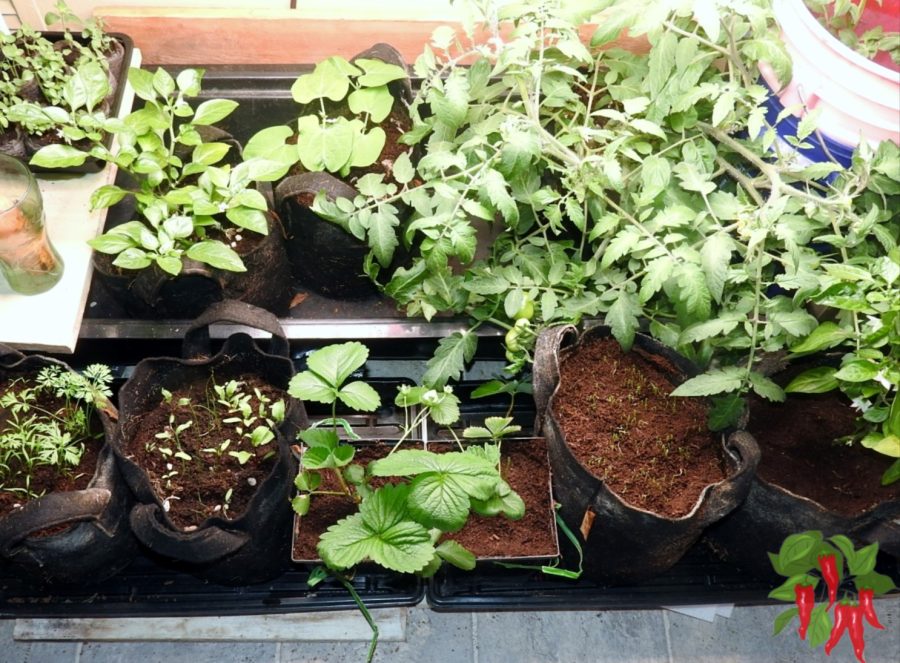
Here’s how to start strong:
- Pick your container and fill it about ¾ full with potting mix.
- Add fertilizer if needed — follow package directions.
- Plant your seeds or seedlings at the right depth.
- Water thoroughly until you see water draining from the bottom.
- Place in good light: a sunny window or under a small LED grow light.
🌤️ Pro tip: Rotate your containers every few days so your plants grow evenly toward the light.
💧 Ongoing Care & Maintenance
Container gardens need a little love to thrive. Here’s your routine:
Watering
- Check soil moisture daily. Stick your finger in about 1 inch deep — if it’s dry, water.
- Water until it drains out the bottom; avoid letting pots sit in water.
Light
- Most veggies and herbs need 6–8 hours of light per day.
- For low-light homes, use LED grow lights on a timer (12–14 hours/day).
Feeding
- Feed every 2–4 weeks with liquid fertilizer or slow-release granules.
- Choose organic fertilizer if you’re growing edibles.
General Maintenance
- Snip dead leaves or faded blooms.
- Harvest herbs regularly to encourage new growth.
- Check for pests like aphids or fungus gnats and treat promptly.
⚠️ Common Container Mistakes (and Easy Fixes)
| Mistake | Quick Fix |
|---|---|
| 🚫 No drainage holes | Drill holes or use inner pot with drainage inside decorative outer pot. |
| 💦 Overwatering | Water only when top inch of soil feels dry. |
| 🌚 Too little light | Move closer to window or add grow lights. |
| 🪴 Using garden soil | Use lightweight container mix for better drainage. |
| 🌿 Too many plants in one pot | Give each plant space to grow freely. |
| 🌸 Forgetting to feed | Set reminders to fertilize monthly. |
❓ FAQs About Container Gardening
Q. Can I grow herbs on a windowsill?
Absolutely! 🌞 Just make sure it gets 4–6 hours of bright light daily or use a small grow light.
Q. What’s the best pot size for vegetables?
Start with at least 10–12 inches deep for veggies like peppers or tomatoes, and 6–8 inches for herbs or greens.
Q. How often should I water container plants?
Check daily — small pots dry quickly. Water when the top inch feels dry.
Q. Can I reuse old potting mix?
Yes, but mix in fresh compost or fertilizer before reusing. Replace every 1–2 years for best results.
Q. What if my pots don’t have holes?
Use a drill to add them, or place a smaller pot with drainage inside your decorative container.
Q. Can I grow indoors year-round?
Definitely! Combine containers with LED grow lights and steady temperatures, and you can garden all year long. 🌿
🌟 Container Gardening 101 Conclusion
You don’t need a backyard or a green thumb to grow something beautiful. With Container Gardening 101, you now know how to pick the right containers, soil, and plants — and how to care for them like a pro.
Start small, stay curious, and watch your plants reward you with lush greens, bright flowers, or even a few homegrown snacks. 🌼
Ready to get started? Grab a pot, some soil, and your favorite seeds — your indoor garden adventure begins today!
👉Containers and Systems Ideas for Small Gardens: Sure Fire Tips
📚 References & Further Reading
- University of Minnesota Extension – Container Gardening for Small Spaces: Big Beauty in Tiny Places
- Illinois Extension – Container Gardens (Containers allow you to enjoy growing plants in places that might be thought of as impossible)
- Oregon State University Extension – Container Gardening Basics (EM 9544)
- Iowa State University Extension – Care of Plants Growing in Containers
- Washington State University Extension – Container Gardening (Tip Sheet 6)

👋 About the Author
Steve is the creator of Indoor Gardening Essentials and a hands‑on indoor gardener with years of experience growing plants in small apartments, tight corners, and low‑light spaces.
He specializes in practical, beginner‑friendly setups—from kitchen herbs and windowsill succulents to self‑watering planters, terrariums, and simple hydroponic systems. Everything he teaches comes from real experimentation, not guesswork.
Steve documents his projects, successes, and occasional failures on his YouTube channel Small Farms Big Ideas , where he tests grow lights, soil mixes, watering routines, and small‑space gardening methods.
His goal is simple: help new indoor gardeners build confidence, avoid common mistakes, and grow healthy plants—no matter how small their space is.