
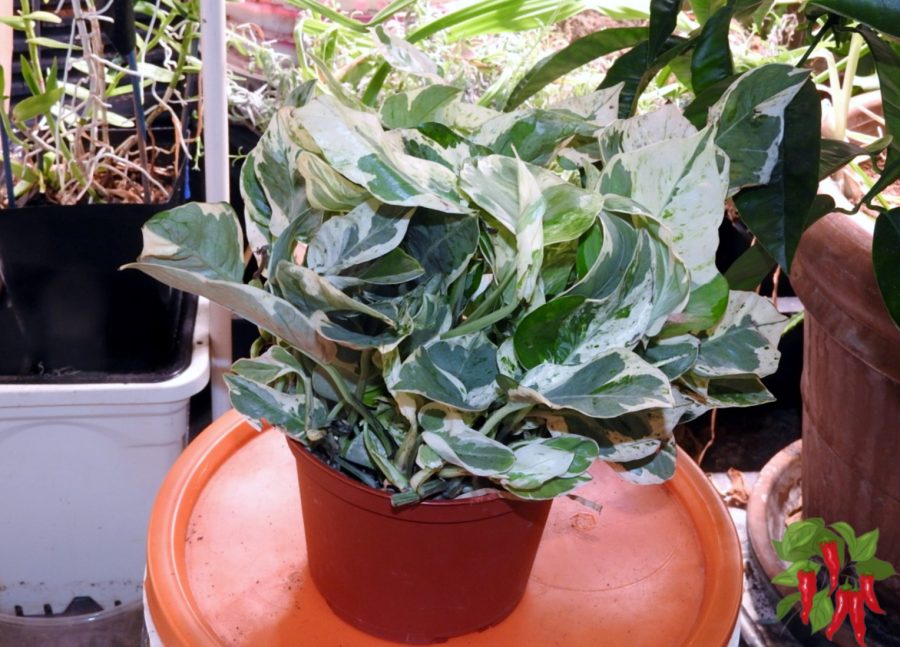
Starting your container garden should feel exciting, not confusing! 🌿 With just a few simple adjustments, you can skip the trial and error and enjoy plants that grow stronger, bloom brighter, and produce more.
Whether you’re growing herbs on a windowsill or veggies on a balcony, learning to avoid common container mistakes will set you up for stress-free, thriving success. 🌸💪
🌿 What You’ll Learn
- How to avoid the most common container gardening mistakes that frustrate beginners.
- Simple ways to fix watering, soil, and pot size problems. 💧
- How to keep your plants healthy, strong, and beautiful all season long. 🌼
- Why soil choice and drainage holes make or break your success. 🪴
- Quick troubleshooting tips to spot and correct plant stress early. 🔍
Common Container Mistakes (and How to Fix Them 🌿)
Ever wonder why your potted veggies or herbs don’t look as happy as they should? 😩
You might be making a few common container mistakes — and honestly, almost everyone does at first.
The good news: once you spot the problem, it’s super easy to fix. In this guide, you’ll learn how to choose the right containers, water the right way, and set your plants up to seriously thrive. 🌱💪
Why Container Gardening Is Its Own Thing 🪴
Container gardening isn’t “mini gardening.” It’s its own style with its own rules. Your plants are living in a tiny, controlled world — not in the ground where roots can spread and find what they need.
- Soil dries out faster in pots than in the ground.
- Roots get trapped and circle when there’s not enough room.
- Heat and sun hit harder because pots warm up fast.
- Water can sit and suffocate roots if drainage isn’t good.
Once you understand that, you’re already ahead. You’re not “bad with plants.” You’re just playing by container rules now. 💚
Biggest Common Container Mistakes (and Easy Fixes)
1. Using a Pot That’s Too Small 😬
Small pots seem cute… until the plant can’t breathe, can’t drink, and can’t grow.
- Why it’s a problem: Tiny containers = tiny root zone. The soil dries out super fast and the plant wilts constantly.
- What you’ll notice: Droopy leaves by afternoon, stunted growth, pot tipping over in the wind.
- How to fix it: Size up. Give roots depth and width. When in doubt, go one size bigger than you think you need.
- Bonus tip: Heavier, wider containers are also way more stable for taller plants like tomatoes or peppers. 🌶️🍅
2. No Drainage Holes 🚫💧
This is one of the most common container mistakes and it quietly kills plants. When water can’t escape, roots basically sit in a swamp and suffocate.
- Why it’s a problem: Constantly soggy soil leads to root rot, yellow leaves, fungus, and sad plants.
- What you’ll notice: The plant looks droopy even though the soil is wet. Leaves may yellow from the bottom up.
- How to fix it: Every container needs drainage holes. If it doesn’t have them, you can’t treat it like a real planter.
- Watering tip: When you water, water until a little comes out the bottom. That means the root zone actually got moisture, not just the top inch. ✅
3. Using “Normal Dirt” Instead of Potting Mix 🪣➡️🪴
Regular garden soil is usually too heavy for containers. It compacts, stays wet too long, blocks oxygen, and makes roots struggle.
- Why it’s a problem: Roots need air. Packed soil = no air.
- What you’ll notice: Slow growth, leaves pale or weak, water just sits on top instead of soaking in evenly.
- How to fix it: Use a loose, fluffy potting mix made for containers. You want something that drains well but still holds moisture, like a coco coir or potting mix with added perlite.
- Pro move: Refresh the mix at least once a year instead of reusing the exact same tired soil forever.
4. Overwatering, Underwatering, or “Random Watering” 💦🤷
Container plants don’t have a safety net. They can’t send roots deeper if you underwater, and they can’t escape waterlogged soil if you overwater.
Overwatering is probably the #1 killer of container plants!
- Why it’s a problem: Inconsistent water stresses the plant. Stressed plants stop growing and start giving up on you.
- What you’ll notice if it’s too dry: Crispy leaf edges, plant flops over mid-day, soil pulls away from the sides of the pot.
- What you’ll notice if it’s staying too wet: Yellowing leaves, mushy stems near the base, gnats hanging around the soil surface.
- How to fix it: Do the “finger test.” Stick your finger about an inch into the mix:
- Feels dry? ✅ Water it.
- Still moist? ⏳ Wait.
- Pro move: Water slowly and evenly until a little drains out the bottom. Don’t just splash the top and walk away.
5. Planting Too Many Plants in One Container 🌿🌿🌿
We all do this because we want “lush.” But overcrowding is one of the sneakiest reasons plants stay weak.
- Why it’s a problem: Every plant is fighting for the same water, same food, same root space, same light.
- What you’ll notice: Plants stretch and get leggy, leaves get smaller, growth just kind of stalls.
- How to fix it: Give each plant some breathing room. If two plants want totally different lighting or watering needs, they shouldn’t live in the same pot.
- Mindset shift: One strong plant in a pot almost always beats three struggling plants. 🌱✨
6. Forgetting to Feed the Plant 🍽️
In a garden bed, roots can explore and find nutrients. In a container, your plant only gets what is in that pot — and it runs out faster than you think.
- Why it’s a problem: Nutrients wash out every time you water. Over time the mix gets “empty.”
- What you’ll notice: Pale leaves, slow new growth, smaller harvests, weak flowering.
- How to fix it: Light, regular feeding. Think “snacks,” not “gut bomb.”
- Use a gentle fertilizer on a schedule.
- Or use a slow-release fertilizer in the mix if you want low-maintenance.
- Pro move: Don’t panic and dump a ton of fertilizer at once — that can burn roots. Slow and steady wins. 💚
7. Never Refreshing the Potting Mix 🧵➡️🪴
Over time, potting mix breaks down and compacts. Roots get crowded. The plant becomes basically pot-locked and tired.
- Why it’s a problem: Old mix can hold too much water, or not hold enough. It also might be full of old roots that block new growth.
- What you’ll notice: Plant keeps drying out fast no matter how much you water, roots are circling the inside of the pot, growth is just “meh.”
- How to fix it: Once a year (or when a plant is clearly root-bound), gently lift it out, loosen the roots, and repot with fresh mix and a slightly bigger container if needed.
- Your goal: Give the plant a reset, not just survival. 🌼
Quick Pre-Plant Checklist ✅
Before you plant your next container, run through this super-fast list:
- Does the container have drainage holes?
- Is the container big enough for the plant when it’s mature, not just “cute right now”?
- Are you using real potting mix (not dug-up dirt)?
- Did you match the plant to the light it actually needs?
- Are you putting too many plants in one pot?
- Do you have a plan for watering consistently?
- Do you have a light feeding plan?
- Will you refresh the mix or repot in the next season or two?
This alone fixes most common container mistakes before they even happen. 🙌
Indoor Containers vs Outdoor Containers 🌞🏠
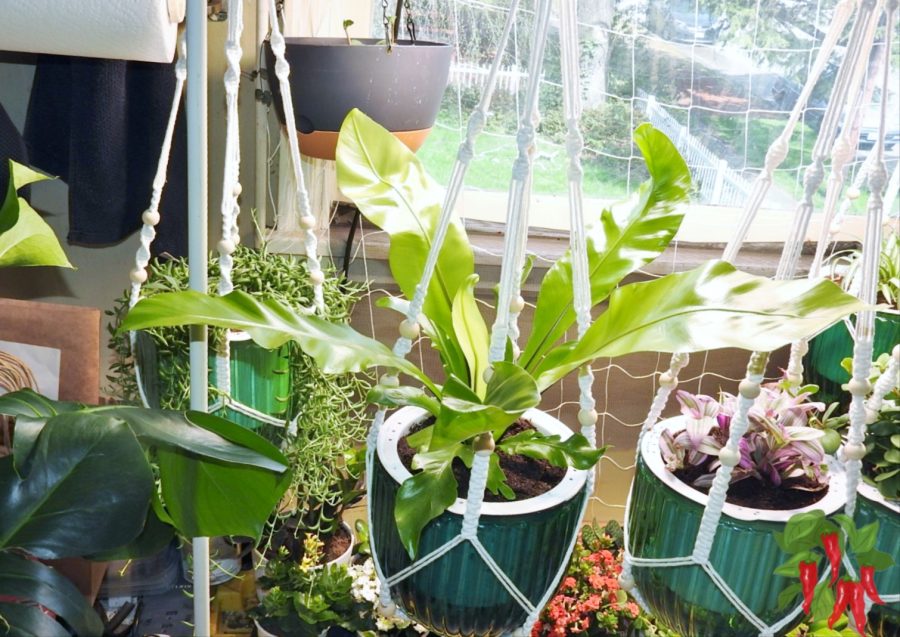
Indoors
- Less sun = slower growth, leggier stems, stretching toward light.
- Air doesn’t move as much, so soil can stay wetter longer.
- You’re in total control of watering and feeding (which is actually great 👍).
Outdoors
- Sun and wind can dry out pots fast — sometimes daily in heat.
- Rain can soak a pot that doesn’t drain well.
- Containers can overheat in direct sun, especially dark-colored pots.
What this means for you: the same plant may need totally different care indoors vs outdoors. That’s normal. You’re not doing anything “wrong.” You’re just adjusting. 💡
What Your Plant Is Trying to Tell You 🪴💬
Your plant is always talking. You just learn to read it:
- Wilting even though the soil is wet: Roots may be drowning. Check drainage.
- Wilting only when the sun hits: Container might be too small and drying out too fast.
- Yellow leaves from the bottom up: Often too much water or not enough oxygen at the roots.
- Long, weak, stretchy stems: Not enough light or too much crowding.
- Plant keeps stalling and never really “takes off”: Time to repot with fresh mix and more room.
Little tweaks now = way healthier plants long-term. 🌿✨
Real Talk 💬🌱
Container gardening is super beginner-friendly once you understand a few basics.
You don’t have to be perfect. You don’t have to “have a green thumb.” You just have to:
- Give roots space
- Use real potting mix
- Let extra water drain out
- Water with intention, not randomly
- Feed lightly but consistently
- Repot before things get desperate
If you can do that, you’re already way ahead of most people who buy a plant and just hope.
You’re setting your plants up to actually thrive, not just survive. 🌼💚
FAQs: Common Container Mistakes 🌿❓
What size container should I use for vegetables?
Go bigger than you think. Most veggies want at least a medium to large pot so the roots have room to spread. Shallow, tiny pots dry out too fast and stunt growth.
Can I use garden soil in my containers?
Not a good idea. Garden soil can get hard and heavy in a pot. Use a fluffy potting mix made for containers so the roots get air and drain well.
How often should I water container plants?
There’s no one schedule that works for every plant. Instead, check the soil. If the top inch feels dry, water deeply until a little drains out the bottom. If it’s still damp, wait.
Do container plants need fertilizer?
Yes. In a pot, your plant only has access to what’s in that container, and nutrients get used up and washed out over time. Light, regular feeding keeps growth strong.
How do I avoid overcrowding plants in a container?
Check how big each plant will be when it’s full size, not just when it’s a baby. If they’re all going to become big, leafy monsters, they shouldn’t all live in one pot. Give them space so they don’t compete.
Container Gardening Mistakes Conclusion 🌻
Container gardening is one of the easiest and most rewarding ways to grow plants — as long as you avoid a few simple pitfalls. By fixing these common container mistakes, you’ll give your plants the space, water, and nutrients they need to thrive. 🌿
Remember, every plant is a teacher. With each repot, watering, or soil refresh, you’re learning what helps your green friends grow their best. Keep experimenting, stay patient, and soon your container garden will be bursting with color, flavor, and life. 🌼🌿
👉 Containers and Systems Ideas for Small Gardens: Sure Fire Tips
📚 References & Further Reading
- University of Minnesota Extension – Container Gardening for Small Spaces: Big Beauty in Tiny Places
- Illinois Extension – Container Gardens (Containers allow you to enjoy growing plants in places that might be thought of as impossible)
- Oregon State University Extension – Container Gardening Basics (EM 9544)
- Iowa State University Extension – Care of Plants Growing in Containers
- Washington State University Extension – Container Gardening (Tip Sheet 6)

👋 About the Author
Steve is the creator of Indoor Gardening Essentials and a hands‑on indoor gardener with years of experience growing plants in small apartments, tight corners, and low‑light spaces.
He specializes in practical, beginner‑friendly setups—from kitchen herbs and windowsill succulents to self‑watering planters, terrariums, and simple hydroponic systems. Everything he teaches comes from real experimentation, not guesswork.
Steve documents his projects, successes, and occasional failures on his YouTube channel Small Farms Big Ideas , where he tests grow lights, soil mixes, watering routines, and small‑space gardening methods.
His goal is simple: help new indoor gardeners build confidence, avoid common mistakes, and grow healthy plants—no matter how small their space is.