

🪴If you’ve ever wished you could keep growing fresh herbs, greens, and even a few veggies no matter what the weather’s doing, Year-Round Container Gardening is going to be your new best friend.
Once you understand how to adjust light, soil, and watering from season to season, you’ll be surprised at how simple it is to keep plants thriving indoors or on a balcony all 12 months of the year.
With just a few containers and the right setup, you’ll enjoy steady growth, fewer pests, and fresh harvests whenever you want. 🌱✨
What You’ll Learn 🌟
- How to grow herbs, veggies, and flowers indoors or on balconies all year long 🌿
- Best containers, soil mixes, and light setups for every season 🪴
- How to adjust watering, feeding, and plant care as temperatures change ❄️☀️
- Easy crops for winter, summer heat lovers, and indoor-friendly picks 🍅
- Solutions to common beginner challenges and year-round pest prevention 🐛
- How to refresh soil, choose containers, and keep plants productive for months 💧
1. Year-Round Container Gardening: Garden All Year—Even Indoors! 🌼
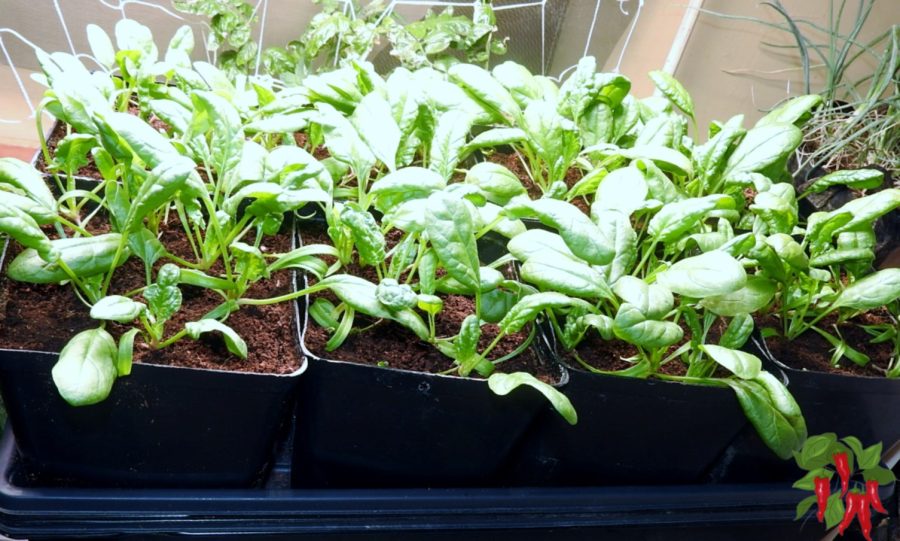
🏡 You don’t need a backyard (or perfect weather) to grow healthy plants year-round.
With a few good containers and a little bit of seasonal awareness, you can harvest herbs, greens, and even compact veggies all 12 months of the year.
Whether you’re working with a kitchen windowsill, a sunny balcony, or a grow-light setup in your living room, container gardening gives you flexibility that traditional gardens can’t.
I used to think gardening “shut down” in fall… until I realized that a pot of basil doesn’t care what month it is—it only cares about light, soil, water, and your attention.
Once you master those things season by season, year-round gardening becomes surprisingly simple. Let’s dig in. 🌱
2. Why Year-Round Container Gardening Works 🌿
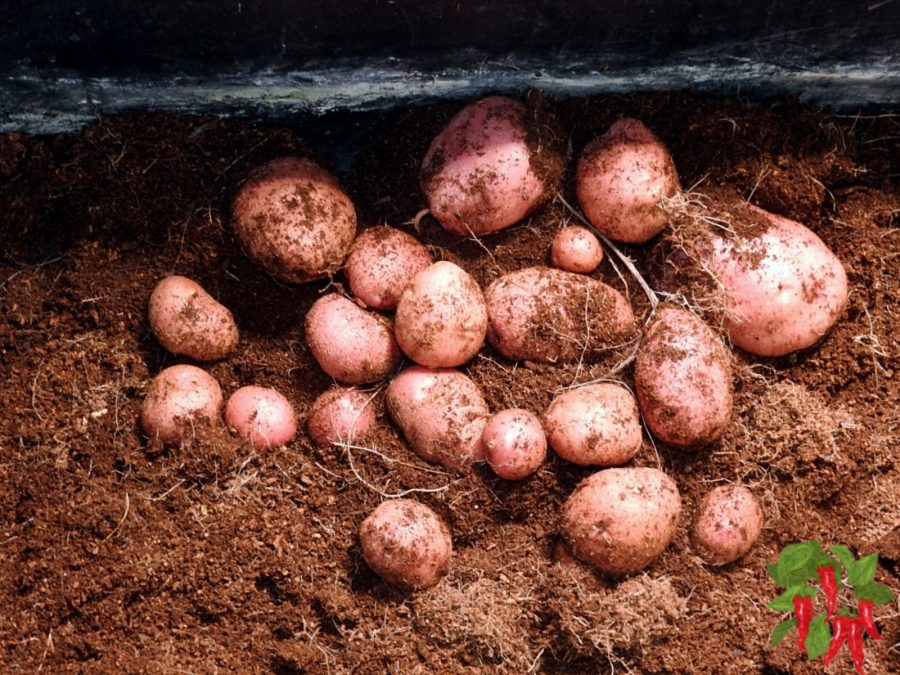
Container gardening is perfect for all-season growing because it gives you control over nearly every variable. Unlike outdoor beds—where seasons, pests, soil quality, and weather decide your success—containers are flexible, portable, and customizable.
- 🌡️ Temperature control: Indoors stays stable even in winter.
- 🚚 Mobility: Move plants to sunnier spots, indoors during frost, or outdoors when weather is mild.
- 🌱 Small-space friendly: Balconies, windowsills, kitchen counters—anything works.
- 🐞 Fewer pests: Containers reduce pest pressure, especially indoors.
- ✨ Mood-boosting: Greenery in winter is good for your mind and body.
Whether you’re brand new to gardening or shifting from outdoor beds, containers give you a simple, predictable way to garden all year.
3. Choosing the Right Containers for Every Season 🪴
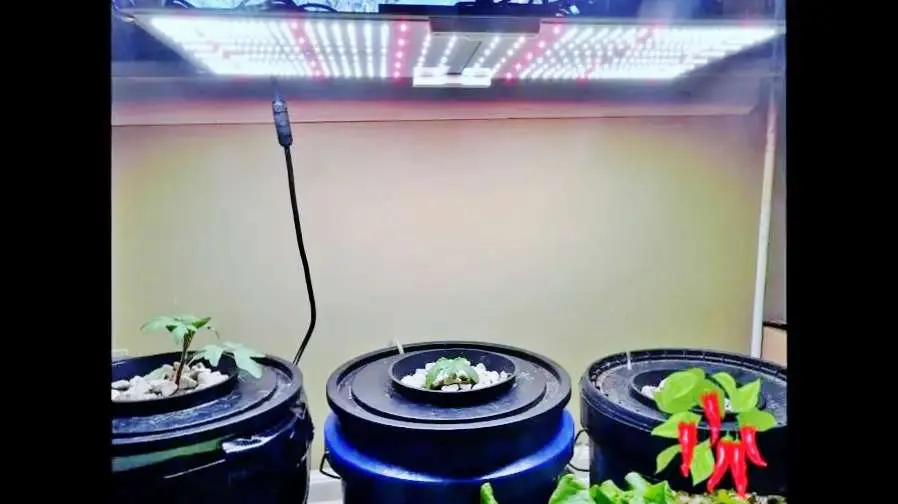
Your container choice matters more than people think—especially when growing all year.
Best Container Materials
- 🌿 Plastic pots: Lightweight, great for winter (don’t crack).
- 🌬️ Fabric pots: Superb airflow—ideal for summer heat.
- 🏺 Ceramic pots: Beautiful but can crack outdoors in freezing temps.
- 💧 Self-watering pots: Excellent for beginners and winter dryness.

Container Size Tips
- Big pots dry out slower (great for summer & winter heating)
- Small pots are great for herbs and microgreens
- Wide pots are ideal for greens & lettuce mixes
Drainage Matters Year-Round
Even in winter, roots need oxygen. Always choose containers with drainage holes. If yours don’t have any—grab a drill. Your plants will thank you. 🌱
4. Best Soil Mixes for Year-Round Growing 🥥🌱

You can keep plants alive in many mixes, but thriving all year? That’s where a well-balanced container mix shines.
What to Look For
- 🌬️ Good aeration (roots need oxygen)
- 💧 Balanced moisture retention
- 🪨 Lightweight structure, not dense garden soil
- 🌿 Organic matter for long-term nutrition
Why Coco Coir Is Perfect for Year-Round Use
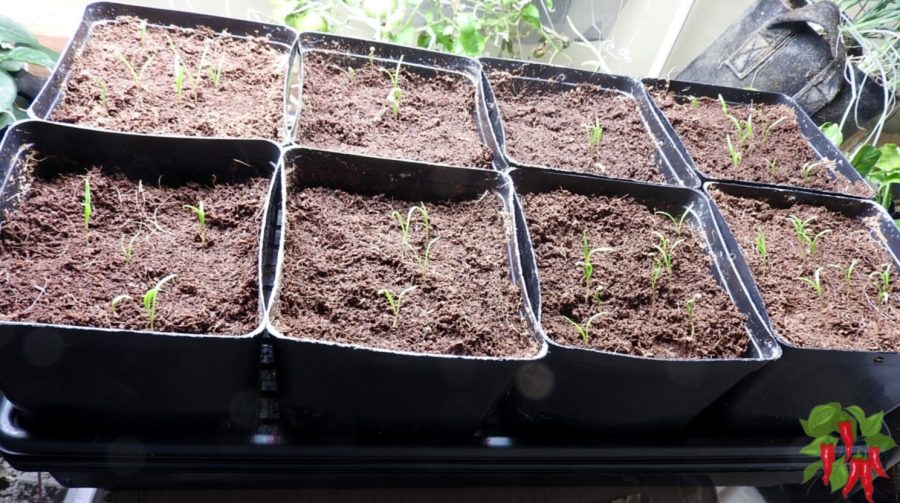
Coco coir is my go-to for container gardening. It holds moisture well, resists compaction, and is more sustainable than peat.
It pairs beautifully with perlite and compost or worm castings for a mix that works in all four seasons.
Simple All-Season Mix
- 2 parts coco coir
- 1 part compost
- 1 part perlite or pumice
- Optional: worm castings for slow nutrients
This mix stays airy in winter and drains well in summer heat—ideal for beginners.
5. Light: What Plants Need in Every Season 💡
Spring & Summer
- Use natural sunlight whenever possible 🌞
- Rotate plants weekly to prevent leaning
- Protect delicate herbs from harsh midday sun
Fall & Winter
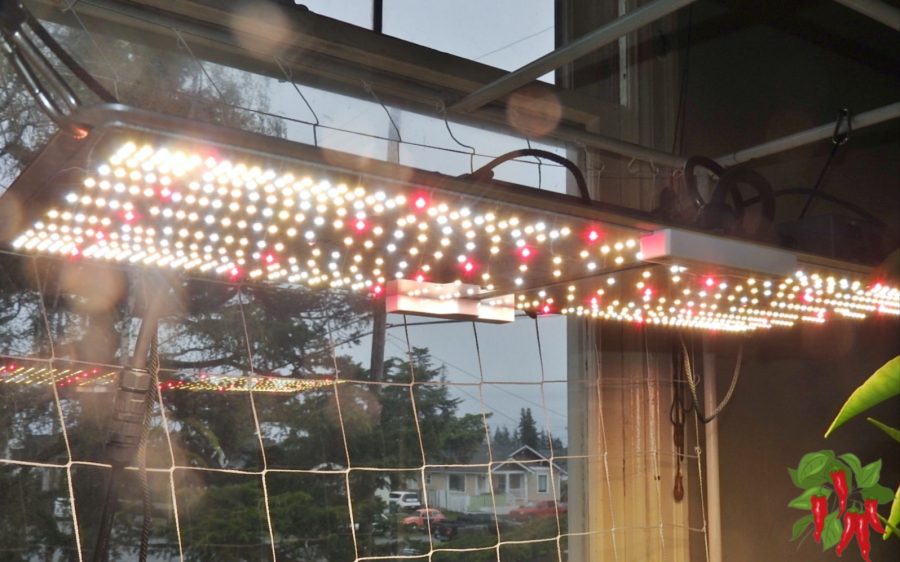
Light drops dramatically indoors from October to March. A small grow light can make the difference between thriving plants and sad, leggy stems.
- 10–12 hrs/day for greens & herbs
- Place lights 6–12 inches above leaves
- South-facing windows are your best natural option
Most beginners ask: “Do I need grow lights in winter?”
Short answer: If you want steady growth—yes. 🌱💡
6. Watering Through All Four Seasons 💧
Summer Watering
- Plants drink fast—check daily
- Morning watering prevents wilt
- Fabric pots dry quickest (good airflow)
Winter Watering
- Plants drink slower indoors
- Overwatering is the #1 winter mistake ❄️
- Use your finger to check below the surface
A simple rule:
If the top inch is dry—check deeper before watering.
7. Feeding & Fertilizing Year-Round 🌿💪
Containers lose nutrients faster than garden beds. Consistent feeding helps plants stay productive all year.
- 🌱 Spring: Resume feeding when growth ramps up.
- ☀️ Summer: Feed weekly or biweekly (plants grow fastest now).
- 🍂 Fall: Slow feeding slightly.
- ❄️ Winter: Light feeding unless you’re using grow lights.
Worm castings and slow-release organic fertilizers are very beginner-friendly.
8. What to Grow in Each Season 🌸☀️🍂❄️
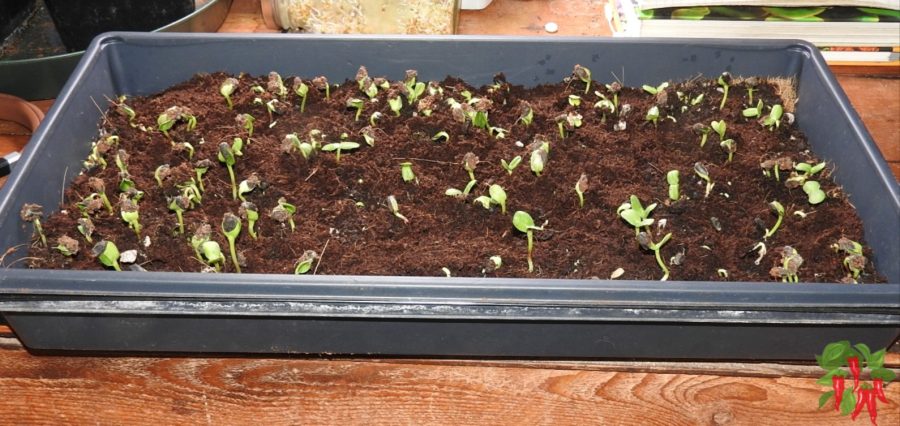
Spring
- Basil, parsley, cilantro
- Leafy greens
- Violas, pansies
Summer
- Tomatoes (patio types) 🍅
- Peppers
- Eggplant
- Bush beans
- Heat-loving herbs
Fall
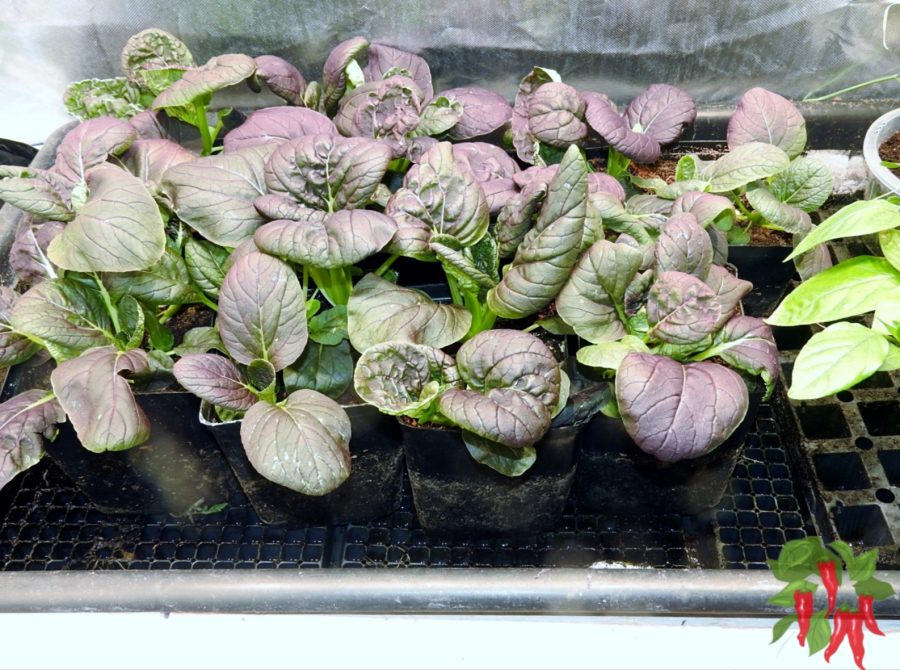
- Chives
- Mint
- Baby kale
- Microgreens indoors
Winter
- Lettuce & baby greens
- Microgreens 🌱
- Chives & mint
- Hardy herbs like thyme
Winter is prime time for indoor greens—they grow beautifully under lights.
9. Year-Round Pest & Disease Prevention 🐛
Even indoors, pests can show up—but containers make them much easier to manage.
- Don’t overwater in winter (stops fungus gnats)
- Improve airflow with a small fan
- Rinse leaves monthly to remove dust
- Use sticky traps if gnats appear
- Quarantine any new plants before adding them to your indoor garden
10. Seasonal Maintenance Tips 🔧
- Refresh the top 2 inches of soil every season
- Repot root-bound plants in spring
- Sanitize pots between plantings
- Add perlite or compost each season to maintain soil structure
- Rotate plants for even light indoors
11. Gardening in Containers FAQ ❓
Q1. How do I garden in containers all year without a lot of equipment?
You can garden year-round with just a few basics: good containers with drainage, a well-draining potting mix, and a simple LED grow light for the darker months. Focus on compact plants like herbs, salad greens, and dwarf varieties so you can keep everything manageable. As long as you adjust light, water, and feeding for each season, you don’t need a complicated setup.
Q2. What can I grow indoors during winter?
Winter is perfect for cool-season and leafy crops. Microgreens, lettuce, baby kale, spinach, arugula, mint, chives, and hardy herbs do very well indoors under lights or in a bright window. They don’t need intense summer sun, grow quickly, and can be harvested often, giving you fresh greens when outdoor gardens are dormant.
Q3. Do I need grow lights for winter?
If you want reliable growth and steady harvests, grow lights are strongly recommended in winter. Natural light is weak and days are short, which makes plants stretch and become leggy. A simple full-spectrum LED grow light on a timer (10–12 hours per day) is usually enough to keep most herbs and greens happy.
Q4. What’s the best container type for indoors?
Indoors, lightweight containers with drainage holes are the easiest to work with. Plastic and self-watering pots are popular because they’re light, clean-looking, and help prevent both underwatering and overwatering. Fabric pots can also work well if you use a tray to catch drips and don’t mind slightly faster drying.
Q5. Can I reuse potting soil?
Yes, you can reuse potting soil, but it needs a refresh each season. Remove old roots, break up compacted areas, and mix in fresh compost and perlite or pumice to restore nutrients and structure. Avoid reusing soil from plants that had serious pest or disease issues, as those problems can carry over to new plants.
Q6. Why are my winter plants leggy?
Leggy plants are almost always a sign of not enough light. In winter, even a south-facing window may not provide enough intensity, so stems stretch toward the nearest light source. Moving plants closer to the window and adding a grow light above them will help them grow more compact, sturdy, and bushy.
Q7. What grows fastest indoors?
Microgreens are the fastest—many are ready to harvest in 7–14 days. After that, baby lettuce, spinach, arugula, and herbs like chives and basil are reliable quick growers. These crops don’t require deep pots, are very forgiving for beginners, and reward you with frequent cut-and-come-again harvests.
Q8. How often should I water in winter?
In winter, most indoor plants need significantly less water than in summer because growth slows and evaporation is lower. Instead of watering on a schedule, check the soil with your finger: if the top inch feels dry, check just below it. Only water when the mix feels dry to slightly moist beneath the surface, not when it’s still wet.
Q9. Can I grow tomatoes indoors year-round?
You can grow tomatoes indoors year-round if you can provide strong light and warm temperatures. Compact or patio varieties do best in containers and need a bright grow light, good airflow, and consistent feeding. They are more demanding than herbs and greens, so many beginners start with leafy crops first, then “graduate” to tomatoes.
Q10. How do I prevent pests indoors?
The best pest control is prevention. Avoid overwatering, check leaves regularly, and quarantine any new plants before adding them to your indoor garden. If pests appear, remove heavily infested leaves, rinse plants gently, improve airflow, and use sticky traps or mild, plant-safe treatments as needed. Keeping your containers clean and your plants healthy makes infestations much less likely.
12. Year-Round Container Gardening: Conclusion 🌟
Year-round container gardening isn’t complicated—it just takes a little seasonal awareness.
Whether you’re tending herbs on a kitchen shelf or growing greens under a simple grow light, containers give you freedom, flexibility, and fresh harvests no matter the weather.
Start with one pot. One herb. One sunny window. Before long, you’ll have a thriving indoor garden that makes every month feel like growing season. 🌱✨
👉 Containers and Systems Ideas for Small Gardens: Sure Fire Tips
13. References 📚 (.edu)
- University of Maryland Extension – Growing Media for Containers
- Oklahoma State University Extension – Soilless Growing Mediums
- University of Arkansas Cooperative Extension – Coir Growing Media
- Texas A&M AgriLife – Media, Repotting & Containers
- University of Minnesota Extension – Container & Indoor Plant Basics

👋 About the Author
Steve is the creator of Indoor Gardening Essentials and a hands‑on indoor gardener with years of experience growing plants in small apartments, tight corners, and low‑light spaces.
He specializes in practical, beginner‑friendly setups—from kitchen herbs and windowsill succulents to self‑watering planters, terrariums, and simple hydroponic systems. Everything he teaches comes from real experimentation, not guesswork.
Steve documents his projects, successes, and occasional failures on his YouTube channel Small Farms Big Ideas , where he tests grow lights, soil mixes, watering routines, and small‑space gardening methods.
His goal is simple: help new indoor gardeners build confidence, avoid common mistakes, and grow healthy plants—no matter how small their space is.