
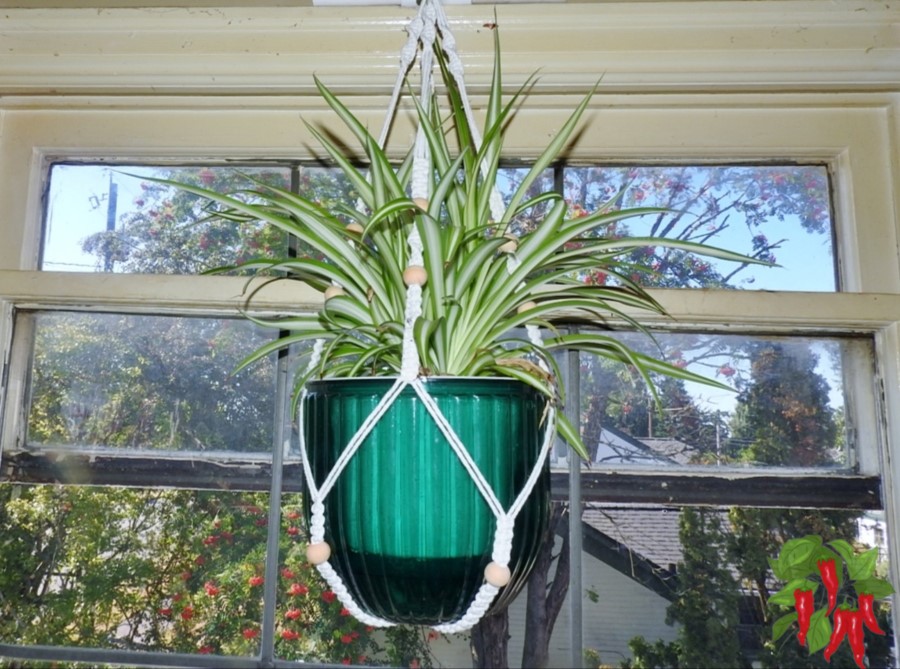
If your indoor plant looks alive but hasn’t put out a new leaf in forever, you’re not imagining it. This is one of the most common “what am I doing wrong?” moments for beginner plant owners. Your plant isn’t dying. It’s just… stuck.
The good news? Most stalled growth comes down to one or two “limiting factors” like light, root space, watering patterns, or season.
Once you fix the biggest limiter, your plant usually starts growing again—sometimes slowly at first, then more confidently.
In this guide, you’ll learn why indoor plants stop growing, how to diagnose the cause step-by-step, and how to restart healthy growth without stressing your plant even more.
📦 What You’ll Learn
- The most common reasons indoor plants stop growing
- How to diagnose stalled growth in minutes (without guesswork)
- How to tell when light is the real problem—even if leaves look “fine”
- How roots, pot size, and soil quietly control growth
- What “normal” growth timelines look like (so you don’t panic)
🌱 What “Stopped Growing” Really Means
First, let’s define what you’re seeing. Plants don’t grow at the same speed year-round, and they don’t all grow at the same pace even in perfect conditions.
Here are three common situations that get labeled as “stopped growing”:
- 🐌 Slow growth: new leaves come, just very slowly.
- 🍂 Seasonal pause: growth slows down (or stops) during fall/winter.
- 🛑 True stalled growth: no new leaves, no new stems, no new buds—even during the growing season.
A plant can look healthy and green and still be stalled. That’s because it can be in “maintenance mode,” using its energy to survive rather than grow.
🚦 Step 1: Is It the Wrong Season?
Before you change anything, check the calendar. Many indoor plants naturally slow down in fall and winter due to lower light and shorter days—even if your home stays warm.
What a normal seasonal slowdown looks like
- Leaves remain mostly healthy, but new leaves appear less often.
- The plant uses water more slowly (soil stays damp longer).
- Growth pauses without major yellowing or leaf drop.
What NOT to do during seasonal slowdown
- Don’t keep increasing fertilizer to “force” growth.
- Don’t repot just because the plant isn’t growing.
- Don’t water on the same schedule as summer.
Quick rule: If it’s winter and your plant looks stable, your best move might be to maintain—not push.
☀️ Not Enough Light (The #1 Reason Growth Stops)
If your plant is alive but not growing, light is the first thing to suspect. Indoors, many plants can survive in low light, but they can’t always grow in it.
Think of light as fuel. Without enough fuel, the plant stops investing in new leaves and focuses on keeping the old ones going.
Signs your plant is light-limited
- Long stems or stretched spacing between leaves
- New leaves are smaller than older ones
- The plant leans toward the window
- Growth is slow even in spring/summer
- Lower/older leaves drop while the plant “holds” the top growth
How to fix light-related growth stalls
- Move the plant closer to the brightest window you have (often just a few feet makes a big difference).
- Use a sheer curtain if harsh direct sun is scorching leaves.
- Rotate the plant weekly so growth stays even.
- Add a simple grow light if your home is dim, especially in winter.
Indoor Plant Lighting Guides
💧 Watering Patterns That Stall Growth
Watering doesn’t just affect leaf health—it affects root function. And roots drive growth. If roots aren’t happy, growth stalls.
💦 Overwatering can “pause” growth
When soil stays wet too long, roots can’t get enough oxygen. Even before rot happens, a plant may slow growth because root function is reduced.
- Soil stays damp for many days
- Leaves droop even though soil is wet
- Yellowing leaves appear without new growth
- Fungus gnats show up
How to Tell If You’re Overwatering Indoor Plants
Watering & Troubleshooting Guides
🏜️ Underwatering can also stall growth
When a plant dries too hard too often, it goes into conservation mode. Instead of producing new leaves, it focuses on staying alive.
- Soil goes bone dry repeatedly
- Crispy tips or edges appear
- Plant droops and perks up only after watering
- Growth slows even with decent light
Underwatering vs Overwatering: How to Tell the Difference
🔄 Inconsistent watering is a silent growth killer
The “yo-yo” cycle—too dry, then too wet—makes roots struggle. A plant that’s constantly recovering from water swings doesn’t have much energy left for growth.
- ✅ Aim for a steady rhythm based on soil moisture, not the calendar.
- ✅ Water thoroughly, then let the soil dry to the plant’s preference.
- ✅ Empty saucers so roots aren’t soaking.
🪴 Root Problems That Quietly Stop Growth
Roots are the engine. If the engine is cramped, damaged, or struggling, growth slows down—even if the leaves still look okay.
🪴 Root bound plants often stall first, then show symptoms later
When roots fill the pot and circle tightly, the plant has less soil to hold moisture and fewer “fresh zones” to expand into. Growth slows because the plant can’t build a bigger root system to support new leaves.
- Soil dries out faster than it used to
- Plant wilts quickly between waterings
- Growth stalls during the growing season
- Roots peek from drainage holes
🧱 Compacted or exhausted soil can stall growth too
Potting mix breaks down over time. It can become dense, hold water poorly, or drain unevenly. Even if the pot isn’t “full of roots,” worn-out soil can still limit growth.
- Soil feels heavy, dense, or crusty
- Water pools on top or drains oddly
- White crust forms on soil surface/pot rim (salt buildup)
🧱 Pot & Container Issues That Affect Growth
Sometimes the pot itself is the problem—not the plant.
- No drainage holes: roots stay too wet and growth slows.
- Cachepots: water collects in the decorative outer pot and roots sit in it.
- Pot too large: soil stays wet too long, roots can’t breathe.
- Pot too small: roots run out of room and the plant stalls.
Beginner-safe rule: If you repot, go just one size up. Bigger isn’t always better indoors.
🌱 Nutrient Issues (Less Common Than You Think)
When growth stops, many people reach for fertilizer first. But fertilizer only helps if your plant has enough light and healthy roots to actually use it.
When fertilizer can help
- It’s spring/summer and the plant is actively growing
- New leaves are pale or small despite good light
- The plant hasn’t had fresh soil in a long time
When fertilizer won’t help (and may hurt)
- It’s winter and the plant is naturally slowing down
- The plant is overwatered or root-stressed
- Light is too low for growth
If you do fertilize, start gentle. Half-strength is usually the safest move for beginners.
Root & Container Guides
🌡️ Temperature, Drafts & Environment
Your plant might be in a spot that looks “nice” but feels awful from a plant’s perspective—cold glass at night, hot vent blasts, or constant AC airflow. Any of those can pause growth.
- ❄️ Cold windows can slow growth and cause leaf drop
- 🔥 Heat vents dry leaves and stress roots
- 🌬️ AC drafts can shock tropical plants
- 🌡️ Big day/night swings confuse growth cycles
🐛 Pests That Stall Growth (Even If Leaves Look “Okay”)
Pests don’t always show up as dramatic damage right away. Sometimes the first sign is simply: growth slows down and the plant looks tired.
Early pest signs beginners miss
- Speckling or tiny pale dots on leaves
- Fine webbing (especially under leaves)
- Cottony clusters at stems or leaf joints
- Leaves that look dull and “dusty” even after cleaning
If you suspect pests, isolate the plant and inspect the undersides of leaves. Catching pests early is much easier than fixing an infestation later.
🚑 How to Restart Growth Safely (Step-by-Step)
If your plant isn’t growing, don’t change everything at once. The goal is to fix the biggest limiter first, then let the plant respond.
✅ Step 1: Confirm it’s not seasonal
- If it’s winter and your plant is stable, your job may be to maintain.
- If it’s spring/summer and there’s no growth, keep going down the list.
✅ Step 2: Improve light first
- Move closer to a brighter window.
- Consider a grow light if light is limited.
✅ Step 3: Stabilize watering
- Check soil moisture before watering.
- Water thoroughly, then let excess drain.
- Stop the “yo-yo” cycle.
✅ Step 4: Check roots and drainage
- Look for roots circling or poking out of holes.
- Make sure the pot drains properly and isn’t sitting in water.
✅ Step 5: Refresh soil or repot if needed
- Repot only if you see clear root binding or soil breakdown.
- Go one size up, not three sizes up.
✅ Step 6: Feed lightly only after growth resumes
- If you see new growth, a gentle fertilizer routine can support it.
- If there’s no new growth, fix light/roots first before feeding.
⏳ How Long Does It Take for Growth to Resume?
This part is important because it keeps you from “fixing” the plant every three days.
- Days: you may see perkier leaves after watering corrections.
- 1–2 weeks: stress symptoms stabilize and the plant looks more steady.
- 2–6 weeks: new growth often appears once conditions improve (faster in spring/summer).
Progress looks like: the plant stays stable, leaves stop worsening, and eventually you see a new leaf, bud, or growth point.
🚫 Common Beginner Mistakes When Growth Stops
- 🧴 Fertilizing repeatedly when the plant is light-limited
- 🪴 Repotting without checking roots first
- 🔄 Moving the plant constantly to “test” locations
- 💧 Watering on schedule instead of soil moisture
- ⚡ Expecting instant results (plants don’t work on our timeline)
🧠 How to Keep Plants Growing Consistently
Once your plant starts growing again, the goal is consistency. Most indoor plant issues come from sudden changes.
- Match the plant to your actual light (or add a small grow light)
- Water based on soil moisture, not habit
- Use drainage holes and empty saucers
- Adjust care seasonally (less water and feeding in winter)
- Dust leaves occasionally so the plant can photosynthesize efficiently
🌿 Conclusion
When an indoor plant stops growing, it’s usually not random. It’s responding to a limiting factor—most often light, roots, watering patterns, or season. Start by confirming whether your plant is in a normal seasonal slowdown. Then focus on light first, stabilize watering, and check roots and soil before reaching for fertilizer.
Once you remove the main barrier, growth usually returns—slowly at first, then steadily. And that’s the goal: steady, healthy progress… not constant “plant emergencies.”
Continue Exploring Indoor Gardening
Why Indoor Plants Stop Growing FAQs
Why is my indoor plant alive but not growing?
Most often, your plant is limited by light, root space, watering patterns, or season. It can stay green and alive in “maintenance mode,” but it won’t invest energy into new growth until conditions improve.
Do indoor plants stop growing in winter?
Yes, many indoor plants slow down or pause growth in fall and winter because days are shorter and light is weaker. If the plant looks stable, it’s usually best to maintain steady care rather than forcing growth.
Should I fertilize if my plant isn’t growing?
Usually not at first. Fertilizer helps only when a plant has enough light and healthy roots to use it. If growth is stalled, fix light and watering issues first, then feed lightly once you see new growth.
How long does it take for a plant to start growing again?
It depends on the plant and season. Some improvements happen in days (less drooping), but visible new growth often takes 2–6 weeks after conditions improve—especially if it’s the growing season.
Can repotting restart plant growth?
Yes, if the plant is root bound or the soil is compacted and exhausted. Repotting into a slightly larger pot with fresh mix can improve root function and restart growth, but repotting won’t help much if light is the real problem.
📚 References & Further Reading
- University of Maryland Extension – Yellowing Leaves on Indoor Plants
Explains the most common reasons houseplant leaves turn yellow, with a strong focus on watering stress and environmental factors.
https://extension.umd.edu/resource/yellowing-leaves-indoor-plants
- University of Maryland Extension – Overwatered Indoor Plants
Covers how excess water affects roots and foliage, including classic yellowing symptoms and prevention tips.
https://extension.umd.edu/resource/overwatered-indoor-plants
- Iowa State University Extension – Causes of Yellowing and Dropping Leaves
A clear FAQ-style guide explaining why houseplant leaves turn yellow or brown and eventually drop, including light and temperature stress.
https://yardandgarden.extension.iastate.edu/faq/what-causes-leaves-my-houseplant-turn-yellow-or-brown-and-drop
- University of Maine Cooperative Extension – Tips for Growing Houseplants
Discusses general indoor plant care, including how light, watering, and humidity affect leaf color and overall plant health.
https://extension.umaine.edu/publications/2612e/
- Penn State Extension – Preventing, Diagnosing, and Correcting Common Houseplant Problems
An in-depth overview of common indoor plant issues, including yellowing leaves, with diagnostic tips for beginners.
https://extension.psu.edu/preventing-diagnosing-and-correcting-common-houseplant-problems

👋 About the Author
Steve is the creator of Indoor Gardening Essentials and a hands‑on indoor gardener with years of experience growing plants in small apartments, tight corners, and low‑light spaces.
He specializes in practical, beginner‑friendly setups—from kitchen herbs and windowsill succulents to self‑watering planters, terrariums, and simple hydroponic systems. Everything he teaches comes from real experimentation, not guesswork.
Steve documents his projects, successes, and occasional failures on his YouTube channel Small Farms Big Ideas , where he tests grow lights, soil mixes, watering routines, and small‑space gardening methods.
His goal is simple: help new indoor gardeners build confidence, avoid common mistakes, and grow healthy plants—no matter how small their space is.