
If you’ve ever brought a plant home, followed the care tag, and still watched it struggle… you’re not alone.
One of the biggest mistakes beginners make isn’t forgetting to water or choosing the wrong pot — it’s choosing a plant that simply isn’t suited for indoor life.
Some plants look easy. Some are labeled “great for beginners.” Others are sold everywhere and seem like they should work inside. But the truth is, many popular plants need conditions that most homes just don’t have.
This guide isn’t about telling you what you can never grow indoors. It’s about helping you avoid frustration by knowing which plants are usually a bad fit for typical indoor spaces — especially when you’re just getting started.
Once you understand what not to grow, choosing the right plants becomes much easier.
If you want the full overview of beginner-friendly options that actually work indoors, start here:
What to Grow: Best Plants for Your Indoor Space
✨ What You’ll Learn
- ✅ Which popular plants usually fail indoors — and why
- ☀️ How light, space, and growth habits affect indoor success
- ⚠️ Common beginner traps that lead to frustration
- 🌿 How to choose plants that actually match your home
☀️ Plants That Need More Sun Than Most Homes Can Provide
Light is the biggest limiting factor for indoor gardening — and it’s also the most misunderstood.
A bright window feels sunny, but for many plants, it still falls far short of what they need to grow well and produce consistently.
❌ Full-Sun Vegetables (Without Grow Lights)
These vegetables are often recommended to beginners, but they’re some of the most challenging to grow indoors without supplemental lighting:
- Tomatoes
- Peppers
- Cucumbers
- Squash and zucchini
These plants are bred for outdoor sun — often 6–8+ hours of direct light a day. Indoors, even a south-facing window usually can’t match that intensity.
What happens instead:
- Long, weak stems (leggy growth)
- Lots of leaves but very little fruit
- Dropped flowers and stalled growth
It’s not that these plants are “hard.” They’re just designed for conditions most indoor spaces can’t deliver naturally.
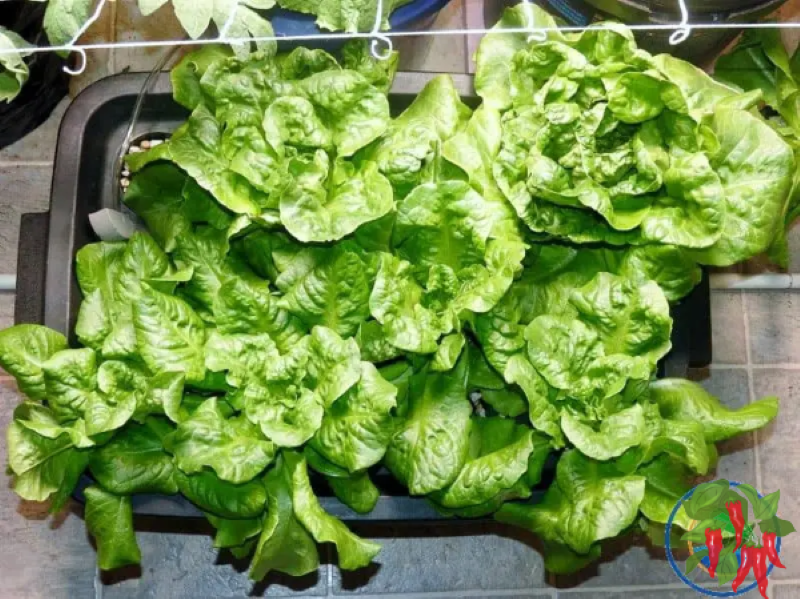
Good news: If you want something edible indoors without intense sun, there are better options (leafy greens, herbs, and microgreens) that actually thrive inside.
❌ Large Fruit Trees (Standard Varieties)
Seeing a lemon or avocado plant growing indoors can be inspiring — but there’s an important distinction between a young plant surviving and a mature plant thriving.
These are usually poor choices for beginners indoors:
- Full-size citrus trees
- Apple, peach, or pear trees
- Avocado grown long-term indoors
Why they struggle indoors:
- They need intense, consistent light
- They develop large root systems quickly
- Pollination is difficult without outdoor airflow or hand-pollinating
- They take years to fruit — even in ideal conditions
Many people successfully grow dwarf fruit varieties indoors under the right setup, but standard fruit trees are usually a frustration trap for beginners.
If a plant’s natural size is bigger than your ceiling, it’s a sign it probably doesn’t belong in your living room.
Up next: Plants that outgrow indoor spaces fast, need outdoor seasons, or turn into constant maintenance headaches — even when light isn’t the issue.
📏 Plants That Outgrow Indoor Spaces Faster Than You Expect
Some plants don’t fail indoors because of light or watering — they fail because they simply get too big, too fast.
These plants may start out manageable, but within a few months they’re stretching, sprawling, or demanding more room than most indoor setups can handle.
❌ Fast-Growing Vines and Sprawlers

Vining plants can look tempting, especially if you imagine them climbing neatly up a trellis or window frame. Outdoors, that works. Indoors, it usually doesn’t.
These plants are especially tricky inside:
- Pumpkins and winter squash
- Melons
- Indeterminate cucumbers
- Sweet potatoes grown for tubers
The problems show up quickly:
- Vines take over floors, shelves, and nearby plants
- Lower leaves get shaded and decline
- Fruits fail to size up properly indoors
These crops are bred for open space, strong sun, and airflow. Indoors, they turn into high-maintenance projects instead of rewarding plants.
❌ Plants That Rely on Outdoor Seasons
Many plants depend on seasonal changes — temperature swings, day-length shifts, and winter dormancy — to stay healthy over time.
Indoors, those signals disappear.
Common examples:
- Blueberries
- Raspberries and blackberries
- Roses
- Woody shrubs meant for outdoor beds
Without proper dormancy:
- Growth becomes weak or erratic
- Flowering and fruiting decline
- Plants slowly exhaust themselves
These plants aren’t failing because of bad care — they’re missing the seasonal rhythm they evolved with.
😬 High-Maintenance Plants That Frustrate Beginners
Some houseplants are technically “indoor plants,” but they demand precision that can drain confidence fast.
They’re not impossible — they’re just better saved for later, once you’ve had a few wins.
❌ Plants That Need High Humidity and Perfect Timing
These plants often look stunning in photos and stores, but struggle in typical home conditions:
- Fiddle Leaf Fig
- Calathea and prayer plants
- Some orchid varieties (outside of beginner-friendly types)
Why beginners struggle with them:
- Inconsistent indoor humidity
- Sensitivity to watering timing
- Strong reactions to small environmental changes
When these plants decline, it often feels personal — but it’s usually just a mismatch between plant needs and home conditions.
❌ Plants That Are Prone to Indoor Pest Issues
Pests behave differently indoors than they do outside.
Without natural predators, even a small issue can spread quickly from plant to plant.
Some plants are especially prone to indoor pest problems:
- Plants with thin, soft leaves that attract spider mites
- Dense foliage that traps moisture and fungus gnats
- Overly stressed plants that can’t fight infestations
This isn’t about cleanliness — it’s about environment. Indoor air is still, dry, and predictable, which pests love.
Starting with tougher, more forgiving plants helps you avoid pest problems while you’re still learning.
Up next: Common beginner traps, trendy plants to be cautious with, and how to choose better options that actually match your space.
⚠️ Common Beginner Traps (It’s Not Always the Plant)
Some indoor growing frustrations don’t come from choosing the wrong plant — they come from choosing the right plant for the wrong context.
These traps are easy to fall into, especially when you’re excited to grow something new.
❌ Seed Packets Meant for Outdoor Gardens
Seed packets are usually written with outdoor gardens in mind.
When a packet says “easy to grow,” it often assumes:
- Full sun for most of the day
- Large soil volume and deep roots
- Seasonal temperature changes
Indoors, those assumptions fall apart. Plants may sprout just fine, then stall, stretch, or decline once they outgrow the space and light available.
When choosing seeds for indoor growing, look specifically for varieties described as compact, container-friendly, or suited for indoor or windowsill growing.
❌ Trendy “Social Media” Plants Without Context
Short videos make indoor growing look effortless — but they rarely show the full picture.
What you don’t see:
- Supplemental lighting just out of frame
- Humidity control behind the scenes
- Failed attempts that never made the video
There’s nothing wrong with trying something trendy — just don’t let it be your first plant.
Starting with reliable, forgiving plants builds skills and confidence that make harder plants possible later.
🌿 How to Choose Better Instead
Avoiding frustration doesn’t mean avoiding fun — it means choosing plants that fit your real space and routine.
Use these simple filters when deciding what to grow indoors:
- If you want something edible: herbs, leafy greens, or microgreens are far more reliable indoors than fruiting vegetables.
- If you want something easy: low-maintenance houseplants give you visible success with minimal stress.
- If your home has low light: choose plants that tolerate shade instead of fighting the light you have.
- If your space is small: look for compact growth habits, not just “small pots.”
If you want help matching plants to your exact setup, this guide walks you through it step by step:
What to Grow: Best Plants for Your Indoor Space
💬 FAQs About What NOT to Grow Indoors
Why do some plants fail indoors even with good care?
Most failures come down to light, space, or missing seasonal cues. Even perfect watering can’t make up for a poor environment match.
Can grow lights change what I can grow indoors?
Yes. Strong grow lights expand your options significantly, but they also add complexity. Beginners usually do better starting with plants that don’t require extra equipment.
Are there plants that are impossible to grow indoors?
Very few plants are truly impossible, but many are impractical for most homes. The goal is choosing plants that thrive easily, not just survive.
How can I tell if a plant is meant for indoor growing?
Look for descriptions that mention containers, compact growth, low to medium light, or indoor suitability. If a plant naturally grows very large outdoors, it’s usually a red flag.
Should beginners avoid fruiting plants altogether?
Not necessarily, but beginners usually have more success starting with herbs, leafy greens, or dwarf varieties before moving on to fruiting plants.
🌼 Conclusion: Start With Wins, Not Challenges
Indoor gardening doesn’t need to be hard to be rewarding.
By avoiding plants that demand more light, space, or precision than your home can offer, you set yourself up for early success — and that momentum matters.
Start with plants that fit your space today. Once those feel easy, you can always level up later.
If you’re not sure what to grow first, head back to the main guide and choose one plant that feels doable right now:
What to Grow: Best Plants for Your Indoor Space
📚 Optional: Learn More from University Extension Guides

👋 About the Author
Steve is the creator of Indoor Gardening Essentials and a hands‑on indoor gardener with years of experience growing plants in small apartments, tight corners, and low‑light spaces.
He specializes in practical, beginner‑friendly setups—from kitchen herbs and windowsill succulents to self‑watering planters, terrariums, and simple hydroponic systems. Everything he teaches comes from real experimentation, not guesswork.
Steve documents his projects, successes, and occasional failures on his YouTube channel Small Farms Big Ideas , where he tests grow lights, soil mixes, watering routines, and small‑space gardening methods.
His goal is simple: help new indoor gardeners build confidence, avoid common mistakes, and grow healthy plants—no matter how small their space is.