
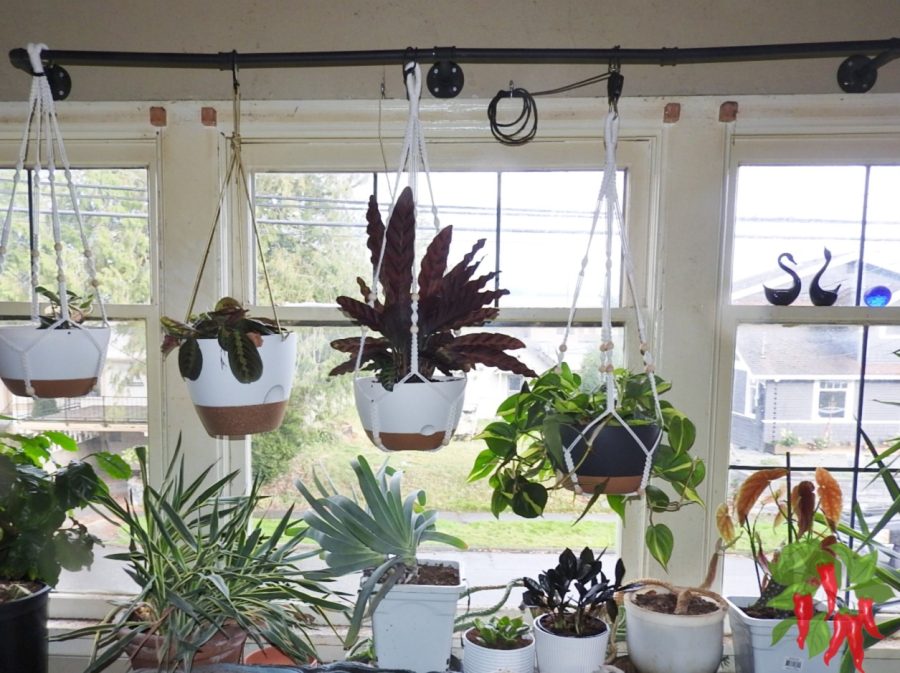
Vertical gardening is one of the easiest ways to grow more plants indoors when floor space is limited. These space-saving vertical garden ideas for beginners are perfect for apartments, small homes, and tight indoor spaces—no yard or complicated setup needed.
By using walls, shelves, windows, and hanging space, you can create a productive indoor garden without cluttering your living area. Whether you want fresh kitchen herbs, leafy greens, or decorative houseplants, vertical gardening helps you make the most of every inch.
In this guide, you’ll discover vertical garden ideas that:
- 🏠 Work well indoors and in apartments
- 🌿 Use walls, shelves, or hanging space instead of floor space
- 🪴 Are beginner-friendly and easy to maintain
- 💡 Help plants get better light without overcrowding
What You’ll Learn 🌿
- Why vertical gardening is perfect for small indoor spaces
- Simple systems and setups you can try (no drilling required!)
- Best beginner plants for vertical gardens
- Common mistakes to avoid
- Answers to popular beginner questions
Space-Saving Vertical Garden Ideas for Beginners 🌿
If you’ve got a small space — maybe a balcony, kitchen wall, or cozy apartment corner — you can still enjoy a lush indoor garden! 🌱
The secret? Go vertical. By growing upward instead of outward, you can fill your home with greenery (and even fresh herbs or veggies) without giving up precious floor space.
Let’s explore how you can start your own vertical garden today — no big budget or backyard needed!
Before choosing a vertical setup, it helps to think about placement.
Knowing where to put plants in small spaces can make a big difference in how well vertical gardens perform indoors.
1. Why Choose a Vertical Garden?

🌿 Space-Saving Benefits
Vertical gardens make use of your walls, windows, and ceilings instead of your floor. You can grow more plants in less space — perfect for apartments or small homes. By stacking, hanging, or mounting your plants, you keep walkways open while still surrounding yourself with greenery.
🌸 Aesthetic and Wellness Perks
A vertical garden can become a living piece of art! It adds texture, color, and calm energy to your home. Studies show that being around plants improves mood and air quality — and vertical setups make that easy, even in tiny spaces.
🌱 Perfect for Beginners
Starting small with a simple wall pocket or shelf lets you learn the basics without being overwhelmed. Maintenance is easier, too — no bending over garden beds or weeding large areas.
2. Common Beginner Questions 🌼
“Will plants really thrive vertically indoors?”
Absolutely! With enough light, water, and support, many plants thrive in vertical systems.
Herbs, lettuce, and trailing vines love to grow upward or cascade down from shelves.
“Does it cost a lot to start?”
Not at all. You can begin with a few hanging planters or a simple ladder shelf.
Recycle containers or use inexpensive fabric pockets. More advanced systems, like hydroponic towers, can come later once you’re confident.
“What kind of systems work best indoors?”
- 🪴 Wall-mounted pockets: Great for herbs and small greens.
- 🌿 Vertical shelves or ladder stands: Easy to rearrange and perfect for renters.
- 🌼 Hanging planters: Use window light and ceiling hooks for trailing plants.
- 🥬 Stacked planters or towers: Ideal for lots of plants in minimal space.
“What about lighting and watering?”
Light is key! Place your vertical garden near a bright window or use small LED grow lights if needed.
Watering depends on setup — vertical planters dry faster, so check soil moisture often. Always use containers with drainage holes and protect your walls from drips.
One of the biggest advantages of vertical gardening is better access to light, especially indoors. Simple adjustments can help you
maximize light in small gardening spaces without adding more floor clutter.
“Can I do this if I rent or can’t drill into walls?”
Definitely! Use freestanding racks, tension poles, or leaning ladder shelves that don’t require screws or nails. Hanging options with removable hooks or suction cups also work well for renters.
3. Space-Saving Vertical Garden Ideas 💡
🌿 Wall-Mounted Planter Pockets
Felt or fabric wall planters are lightweight, easy to hang, and ideal for herbs and greens. Use a plastic liner or tray behind them to protect your walls. These systems let you water from the top, and the moisture trickles down evenly.
🪴 Shelving or Ladder Units
A tiered plant shelf or leaning ladder can hold multiple pots at different heights. This setup works especially well near a sunny window. Mix trailing plants on upper levels with compact ones below for a layered look.
🌸 Hanging Planters and Baskets
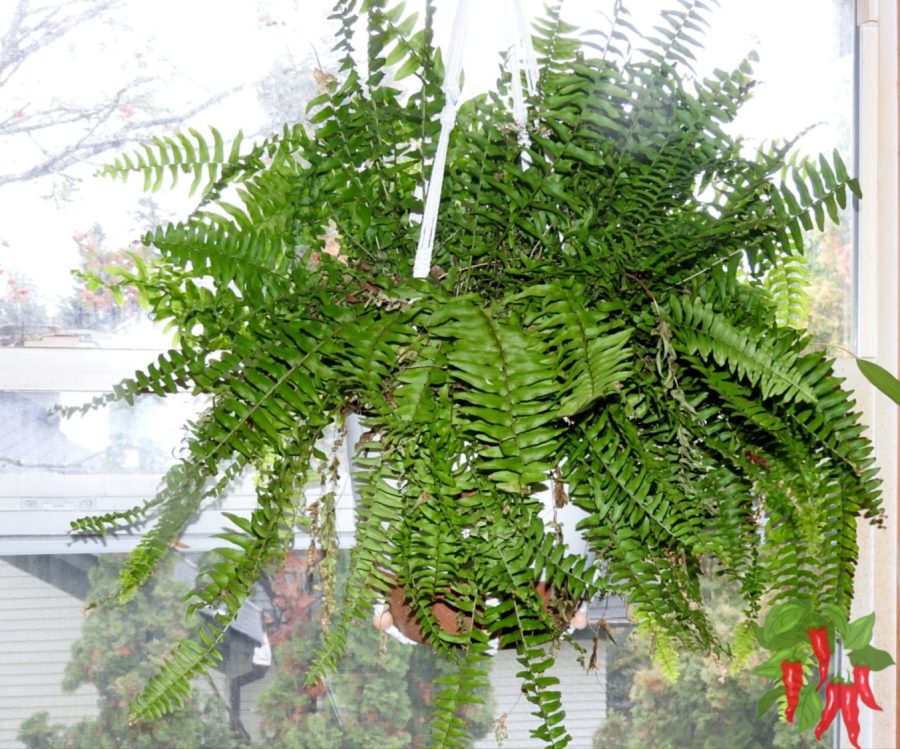
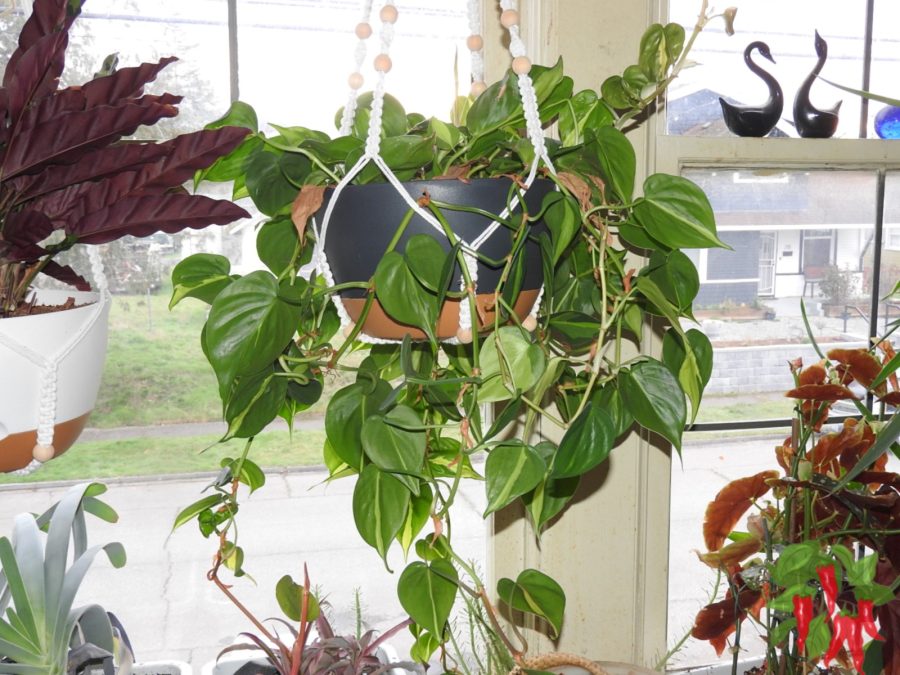
Use macramé hangers, railing planters, or ceiling hooks to suspend pots in bright corners. Great for pothos, ivy, or strawberries. Just make sure each planter has a drip tray to prevent messes.
🥬 Stackable Planters and Vertical Towers

Stacked systems save floor space and are perfect for leafy greens, herbs, or dwarf peppers. Rotate tiers occasionally so all plants get equal light. These systems are efficient, attractive, and beginner-friendly.
🪵 DIY Upcycled Vertical Gardens
Get creative with pallets, old ladders, or gutters! Line them with coco coir or use small pots to hold plants. DIY vertical gardens are fun weekend projects that save money and add personality to your space.
Grow More Food in Small Vertical Spaces
4. How to Set Up Your First Vertical Garden 🧭
- Pick your location: Look for a bright wall or area near a window.
- Choose your structure: Freestanding, wall-mounted, or hanging.
- Select your planters: Ensure proper drainage; use food-safe materials for edibles.
- Choose your plants: Start with easy ones — basil, mint, parsley, lettuce, or pothos.
- Install and arrange: Secure safely, water lightly after planting, and adjust for light exposure.
- Maintain and enjoy: Check soil moisture, feed lightly every few weeks, and trim regularly.
Build a Better Beginner Indoor Garden
5. Common Mistakes to Avoid 🚫
- Ignoring wall protection — always use liners or waterproof backings.
- Overcrowding plants — they need airflow to stay healthy.
- Skipping drainage — soggy roots lead to rot fast!
- Forgetting about light — even shade-loving plants need brightness.
- Using heavy containers on weak supports — keep it safe and secure.
6. Best Plants for Vertical Gardens 🌱
- Herbs: Basil, mint, thyme, oregano, chives.
- Leafy greens: Lettuce, arugula, spinach, kale.
- Houseplants: Pothos, philodendron, ferns, spider plant.
- Compact veggies: Dwarf peppers, microgreens, cherry tomatoes (in larger towers).
- Flowers: Petunias, begonias, impatiens for color.
🌿 FAQ – Vertical Gardening for Beginners
Can I grow vegetables vertically indoors?
Yes! Herbs, lettuce, and dwarf peppers all work well indoors. Choose compact plants that don’t need deep roots.
How often should I water?
Check soil moisture every few days. Vertical setups dry out faster, especially near heat or sunlight.
Will planters damage my walls?
They can if unprotected. Use liners, trays, or a waterproof barrier behind planters.
What if my space has no sunlight?
Try low-light plants or add LED grow lights. Even a few hours of supplemental light daily can make a difference.
Is this harder than normal gardening?
Not at all! Once set up, vertical gardens are often easier to maintain — less bending, less weeding, and more fun!
7. Conclusion 🌸
You don’t need a yard to enjoy homegrown greens or beautiful plants — just a bit of creativity and a few vertical feet!
Start small, observe how your plants respond, and adjust as you go.
Whether you’re stacking herbs on a kitchen shelf or building a wall of trailing vines, every little green corner brings life and calm to your space. 🌿✨
If you want to explore vertical setups in more detail, especially for apartment living, this guide on vertical gardening for small apartments walks through practical options that work well indoors.
👉 You might also like Small Space Gardening Ideas: 10 Creative Ways to Grow More
Keep Growing in Small Spaces
📚 References & Further Reading
- Utah State University Extension – Creating Sustainable School and Home Gardens: Vertical Gardening
- University of Minnesota Extension – Vertical Gardening: Maximizing Space in Minnesota Gardens
- Virginia Tech Extension – Vertical Gardening Using Trellises, Stakes, and Cages
- University of New Hampshire Extension – Growing Vegetables in Containers
- North Carolina State University Extension – Vertical Gardens: Maximize Space and Beat Winter Boredom

👋 About the Author
Steve is the creator of Indoor Gardening Essentials and a hands‑on indoor gardener with years of experience growing plants in small apartments, tight corners, and low‑light spaces.
He specializes in practical, beginner‑friendly setups—from kitchen herbs and windowsill succulents to self‑watering planters, terrariums, and simple hydroponic systems. Everything he teaches comes from real experimentation, not guesswork.
Steve documents his projects, successes, and occasional failures on his YouTube channel Small Farms Big Ideas , where he tests grow lights, soil mixes, watering routines, and small‑space gardening methods.
His goal is simple: help new indoor gardeners build confidence, avoid common mistakes, and grow healthy plants—no matter how small their space is.