

Ready to grow healthier houseplants? Plant Care Made Easy shows you how to give your plants the right light, water, and nutrients so they thrive indoors.
- 🌿 Simple tips that take the stress out of care
- 💧 Fewer plant problems, more happy growth
- 🌸 Perfect for beginners and busy plant lovers
Taking care of your indoor plants shouldn’t feel like guesswork! 🌿 In this guide, Plant Care Made Easy, you’ll discover simple ways to keep your houseplants happy — from watering just right to boosting their growth naturally.
🧭 Quick Help: Start With the Symptom You See
Not sure what your plant is trying to tell you? These guides cover the most common indoor plant care issues and questions—so you can fix problems quickly and grow with confidence.
- 🟡 Yellow leaves (what it means + what to do)
- 💧 Overwatering signs (easy checks)
- ⚖️ Underwatering vs overwatering (quick differences)
- 🍂 Leaf drop (common indoor causes)
- 🟤 Brown leaf tips (simple fixes)
- 🚑 Revive a stressed plant (step-by-step)
- 🪴 Root bound signs (when it’s time to repot)
- 🔁 Repotting frequency (how often is “often”?)
- ⏸️ Plant not growing? (why growth stalls indoors)
🌿 Plant Care Made Easy — Grow Happier Indoor Plants
Welcome to your ultimate Plant Care guide! 🌱 Whether you’re new to indoor gardening or just trying to keep your leafy friends thriving, this post will walk you through the essentials of watering, feeding, pruning, and protecting your plants — so they stay healthy and strong all year long.
✨ What You’ll Learn
- When and how to water your plants properly 💧
- How to match light and soil to each plant ☀️
- Tips for fertilizing, repotting, and pruning 🪴
- How to prevent pests, stress, and yellow leaves 🐛
- Simple ways to revive and rescue struggling plants 💚
💧 Watering Wisely
1. How Do I Know When to Water My Indoor Plants?
The secret to happy plants isn’t watering on schedule — it’s watering when they need it. Stick your finger an inch into the soil; if it’s dry, it’s time for a drink. 🌿
- Use a moisture meter or lift the pot — dry pots feel lighter.
- Watch for drooping or crispy leaves (too dry) vs. soft yellow leaves (too wet).
- Self-watering pots can take the guesswork out of care.
2. What’s the Best Way to Water Indoor Plants?
Most plants prefer slow, deep watering until water drains out the bottom. Avoid letting them sit in water for too long.
- Bottom watering helps roots absorb evenly.
- Use room-temperature water — cold shocks roots!
- Collect rainwater or filter your tap water to remove chlorine.
👉 How Do I Know When to Water Indoor Plants? – Easy Tips for Beginners
☀️ Light & Location
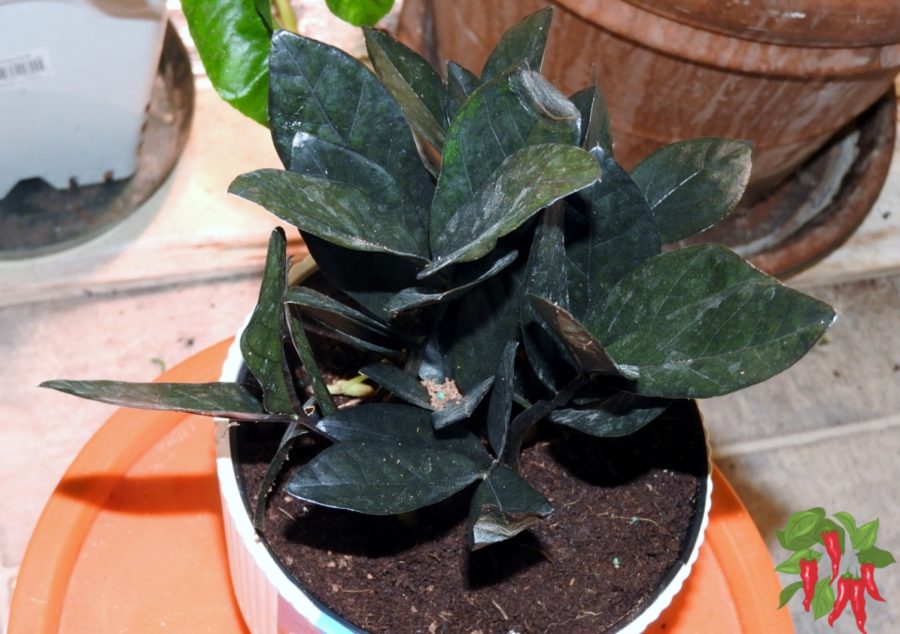
3. What Kind of Light Do My Houseplants Really Need?
Every plant has its favorite spot! 🌞 Place bright-light lovers (like succulents) near sunny south or west windows, while low-light types (like snake plants) thrive in dim corners.
- Bright light: 6+ hours/day, near windows.
- Medium light: filtered or east-facing.
- Low light: a few feet from windows or use LED grow lights.
👉 What Kind of Light Do My Houseplants Need? | Easy Indoor Lighting Guide
4. How Do I Choose the Right Plant for My Light, Space, and Skill Level?
Match your home’s light and humidity to the right plant personality. 🌿
- Low light: Pothos, Snake Plant, ZZ Plant
- Medium light: Spider Plant, Peace Lily
- Bright light: Succulents, Herbs
Tip: Don’t force plants into the wrong spot — they’ll show stress fast!
🌱 Feeding & Soil Health
5. How Often Should I Fertilize My Indoor Plants?
Think of fertilizer as vitamins — a boost, not a meal. 🧪
- Feed monthly during spring and summer; stop in winter.
- Use half-strength liquid fertilizer for gentle feeding.
- Slow-release pellets or fertilizer spikes are great for forgetful gardeners.
👉 How Often Should I Fertilize My Indoor Plants? Quick Easy Tips
6. What Is the Best Soil or Potting Mix for Houseplants?
Regular garden soil is too heavy for containers. Use a light, airy potting mix that drains well.
- Tropical plants: peat or coco coir + perlite.
- Cacti & succulents: sandy, fast-draining mix or a 50/50 coco coir and perlite mix.
- Aroids: chunky mix with orchid bark and coco coir.
👉 What Is the Best Soil or Potting Mix for Houseplants?
🌼 Repotting & Growth
7. How and When Should I Repot My Indoor Plants?
If roots peek out the bottom or water runs straight through — it’s time! 🪴
- Repot in spring with fresh soil.
- Choose a pot just one size bigger.
- Loosen tangled roots gently before planting.
8. How Can I Prune My Plants Without Damaging Them?
Pruning keeps plants healthy, full, and beautiful. ✂️
- Use clean scissors or pruning shears.
- Cut just above a leaf node to encourage branching.
- Remove dead leaves regularly to prevent mold.
🐛 Plant Health & Protection
9. What Pests or Diseases Should I Watch for?
Even indoor plants attract unwanted guests. Look out for tiny insects or sticky leaves. 🦟
- Fungus gnats: let soil dry between watering.
- Spider mites: increase humidity and mist leaves.
- Aphids: wipe leaves or spray neem oil.
10. Why Are My Plant’s Leaves Yellowing or Dropping?
Yellow leaves can signal stress — but don’t panic! 🌿
- Too much water = soft yellow leaves.
- Too little light = pale or falling leaves.
- Lack of nutrients = faded or spotted leaves.
🌸 Environment & Stress Prevention
11. How Do I Increase Humidity or Improve Airflow?
Dry air is the enemy of tropical plants. Boost humidity the easy way:
- Place plants on pebble trays with water.
- Group plants together for micro-humidity.
- Run a small humidifier nearby.
12. How Can I Keep My Plants Happy Year-Round?
- Rotate plants for even growth.
- Water less in winter, more in summer.
- Dust leaves to keep photosynthesis strong.
🌿 Troubleshooting & Confidence Boost

13. What Are the Common Mistakes Indoor Plant Owners Make?
Every gardener slips up — the goal is to learn and adjust. 💚
- Overwatering or using pots without drainage holes.
- Ignoring light needs or using the wrong soil.
- Feeding too often or not enough.
14. How Can I Rescue and Revive a Struggling Houseplant?
Don’t give up yet! Most plants can bounce back with a little care:
- Check roots — trim mushy or rotted ones.
- Repot in fresh, airy mix.
- Place in bright, indirect light and hold fertilizer until recovery.
15. What Are the Easiest Houseplants for Beginners?
Start simple and build confidence. 🪴
- Snake Plant
- Spider Plant
- Pothos
- ZZ Plant
- Peace Lily
- Philodendron
- Cast Iron Plant
💬 FAQs on Plant Care
How can I tell if my plant needs repotting?
When roots peek from the bottom or soil dries too fast — time to repot!
What’s the easiest way to boost humidity?
Group plants together or use a pebble tray — both add natural moisture.
Can I use tap water for my plants?
Let tap water sit overnight to let chlorine evaporate, or use rainwater when possible.
How much fertilizer is too much?
Less is more — dilute to half strength and skip during winter.
How do I keep pests under control naturally?
Wipe leaves weekly, inspect soil, and use neem oil or insecticidal soap as needed.
🌿 Conclusion
Plant care doesn’t have to be complicated — it’s about paying attention and making small, consistent adjustments. 🌼 Each plant has its own rhythm, and once you learn to read its signs, you’ll find indoor gardening both relaxing and rewarding.
Keep learning, experimenting, and celebrating progress — one leaf at a time! 🌱
👉 Plant Care – Indoor Gardening Essentials
📚 References & Further Reading
- Penn State Extension – Caring for Houseplants
- University of Illinois Extension – Houseplants
- Oklahoma State University Extension – Houseplant Care
- Mississippi State University Extension – Care & Selection of Indoor Plants
- University of Minnesota Extension – Houseplants

👋 About the Author
Steve is the creator of Indoor Gardening Essentials and a hands‑on indoor gardener with years of experience growing plants in small apartments, tight corners, and low‑light spaces.
He specializes in practical, beginner‑friendly setups—from kitchen herbs and windowsill succulents to self‑watering planters, terrariums, and simple hydroponic systems. Everything he teaches comes from real experimentation, not guesswork.
Steve documents his projects, successes, and occasional failures on his YouTube channel Small Farms Big Ideas , where he tests grow lights, soil mixes, watering routines, and small‑space gardening methods.
His goal is simple: help new indoor gardeners build confidence, avoid common mistakes, and grow healthy plants—no matter how small their space is.