

Do you have a room that never seems to get enough sun? ☁️ Don’t worry — you can still grow a gorgeous indoor jungle!
In this guide, you’ll explore low-light houseplants that actually thrive indoors. From bold leaves to effortless care, these beginner-friendly plants add beauty, purify the air, and stay vibrant even in shady spaces 🌿💚
✅What You’ll Learn 🌿
- You don’t need a sunny window to grow plants indoors.
- Snake Plant, ZZ Plant, Pothos, Peace Lily, and Chinese Evergreen all handle low light (and beginner mistakes) really well.
- Overwatering is the #1 thing that kills low-light houseplants — not “not enough sun.”
- A little rotation, a little dusting, and an occasional drink go a long way 👍
Low-Light Houseplants That Actually Thrive Indoors 🌿
Indoor gardening and plant care doesn’t have to be hard — even if your home doesn’t get a lot of sun.
In this guide, you’ll meet five beginner-friendly, low-light houseplants that actually do well in real apartments, offices, bathrooms, and shady corners: Snake Plant, ZZ Plant, Pothos, Peace Lily, and Chinese Evergreen.
You’ll learn how much light they need, how to water them, and how to keep them happy over time 😊
🌤 What Does “Low Light” Really Mean?
Before we jump into the plants, let’s clear up something super important: low light doesn’t mean “no light.”
Even tough plants still need some kind of light to stay alive. But the good news is you don’t need direct sun or a bright south-facing window to grow the plants in this post 👍
How to tell you have “low light” 🌥
- Your room never gets direct sunbeams on the floor or wall.
- You can read a book in the daytime without turning on a lamp, but it’s a little dim.
- You have a north-facing or heavily shaded window.
- Your plant would sit more than 5-6 feet away from a window.
Low light vs. bright indirect light
- Bright indirect light = lots of natural light in the room, but not direct sun hitting the leaves.
- Low light = a room that’s lit, but not flooded with daylight. Corners, hallways, bedrooms with blinds, offices, bathrooms with small windows — that kind of vibe.
Many classic “low-light houseplants” come from forest floors or shaded understories in nature.
They’re used to growing under trees. That’s why they can handle dimmer conditions indoors 🌿
However:
- Low light usually = slower growth.
- Colors (especially variegation or bright patterns) may fade a little in deep shade.
- Flowering plants may bloom less in very low light.
That’s all normal. Slow doesn’t mean unhealthy 💚
🌿 Meet the 5 Best Low-Light Houseplants for Beginners
The five plants below are favorites for a reason. They’re tough, forgiving, and super popular with new indoor gardeners because they don’t fall apart the first time you forget to water 😅
1. Snake Plant (Sansevieria / Dracaena trifasciata)

Why you’ll love it: Snake Plant has tall, upright, sword-like leaves that look modern and sculptural. It literally makes a corner look intentional.
Why Snake Plant works in low light 🌑
- Snake Plant tolerates low to bright indirect light, and it can survive in dim corners where many plants would slowly die.
- It doesn’t mind being ignored for a while. It’s famous for being “set it and forget it.”
- It grows slowly in low light, which actually means less pruning and less drama for you 👍
Basic care tips
- Light: Low light is fine, but it will get thicker and slightly faster growth with medium light.
- Water: Let the soil dry almost completely before watering again. Snake Plant hates soggy roots.
- Pot & soil: Use a pot with drainage holes and a well-draining potting mix (regular indoor houseplant mix with a bit of perlite is perfect).
- Temperature: Normal indoor room temps are totally fine. Avoid cold drafts below ~55°F.
Beginner mistakes to avoid ❌
- Watering “on a schedule” instead of checking the soil first. Overwatering = soft, mushy leaves at the base.
- Leaving it in standing water in a saucer.
- Total darkness. No plant can thrive in zero light long-term.
Where to put it: Entryway, bedroom corner, office floor, living room next to the TV stand. It looks great in places most other plants won’t tolerate.
2. ZZ Plant (Zamioculcas zamiifolia)
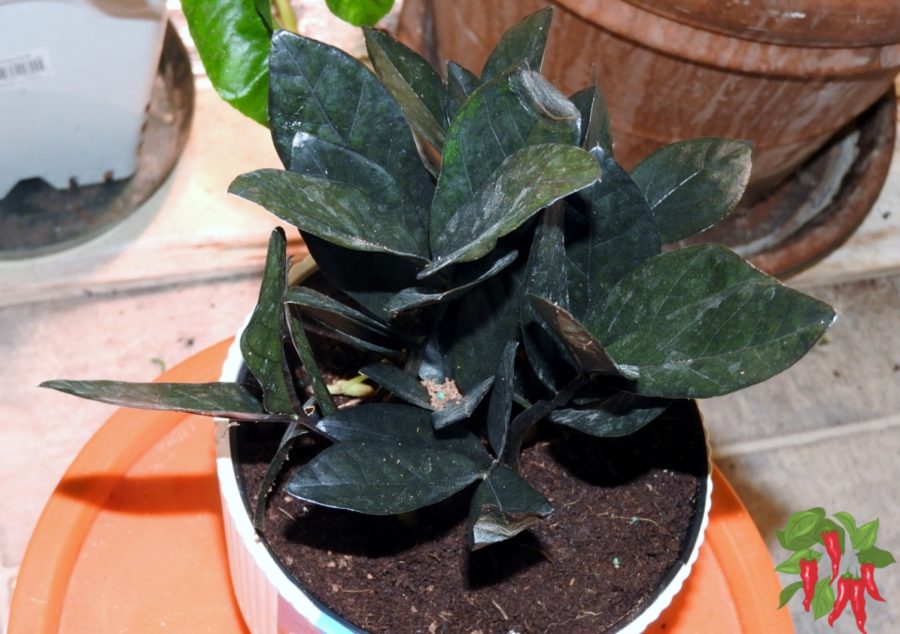
Why you’ll love it: ZZ Plant has thick, glossy, dark green leaflets on sturdy stems. Raven ZZ (pictured) has almost black leaves. It looks “expensive” and polished with basically zero effort 😎
Why ZZ Plant works in low light 🌘
- ZZ is known as one of the most low-maintenance houseplants around.
- It naturally stores water in its thick rhizomes (the chunky parts under the soil), so it handles forgetful watering like a champ.
- It can handle very low to medium indirect light and still stay full and green.
Basic care tips
- Light: Low light is okay. Avoid harsh direct sun, which can scorch the leaves.
- Water: Let the soil dry out most of the way. Water, then leave it alone again. If you’re not sure, wait one more day 😉
- Soil & pot: Good drainage is everything. A chunky, well-draining indoor mix helps prevent rot.
- Cleaning: Wipe leaves with a damp cloth every few weeks. Dust can dull the shine and block light.
Beginner mistakes to avoid ❌
- Keeping the soil constantly wet “because plants drink water.” ZZ does not appreciate that 😅
- Never rotating the plant. It will slowly lean toward its light source — just give it a quarter-turn every so often.
Where to put it: Office desk, bookshelf, bathroom with a small frosted window, the far side of the living room away from the window. It’s an MVP for those “dead zones.”
3. Pothos (Epipremnum aureum)
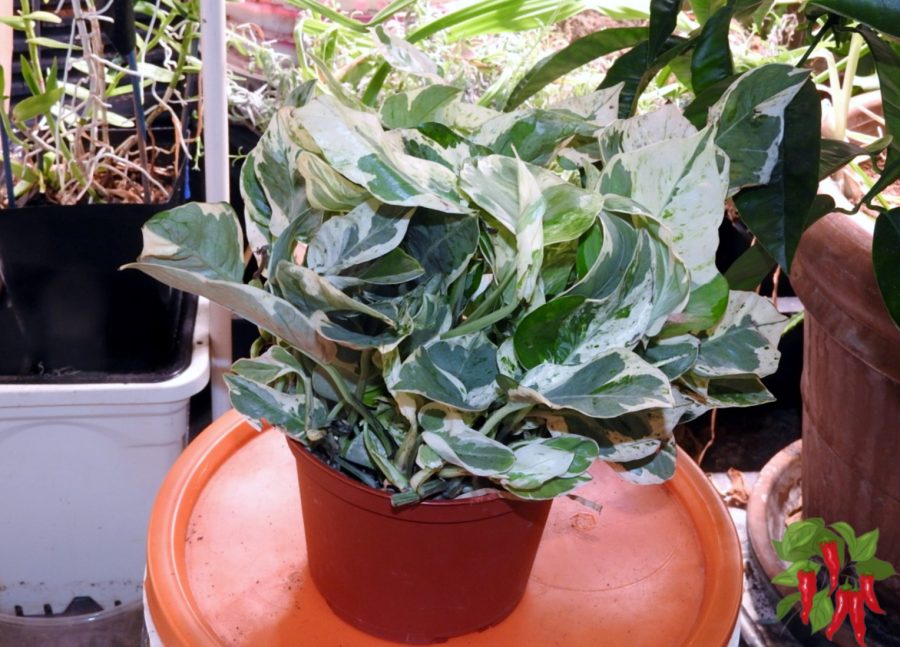
Why you’ll love it: Pothos (also called Devil’s Ivy) is that classic trailing vine with heart-shaped leaves you see in cozy apartments on TikTok. It’s easy, fast, and super rewarding 💚
Why Pothos works in low light 🌗
- Pothos is flexible. It can live in low light and still put out new leaves and vines.
- It’s also one of the easiest houseplants to propagate. Snip a vine, stick it in water, and boom — baby plant.
- Many varieties exist. The solid green types usually handle lower light better than highly variegated ones.
Basic care tips
- Light: Low to medium indirect light. In deeper shade, it’ll stay alive but may grow slower and lose some variegation (the pale/white patterns).
- Water: Let the top inch of soil dry, then water. Pothos droops a bit when thirsty, which is actually nice because it “tells” you when it needs a drink 🙂
- Potting: Standard indoor potting mix works. Use a hanging basket or a pot on a high shelf and let the vines trail down for that lush look.
Beginner mistakes to avoid ❌
- Keeping it in standing water after watering. Drain the saucer.
- Letting vines tangle in dusty corners and never trimming. Light pruning keeps it full and bushy instead of stringy.
Where to put it: Bookshelves, kitchen cabinets, bedroom dresser, hanging planter in a hallway. Pothos instantly makes a space feel “alive.”
4. Peace Lily (Spathiphyllum)

Why you’ll love it: Peace Lily is a classic for a reason. Its deep green leaves have a soft, tropical feel, and it can produce pretty white blooms that stand up like little flags 🤍
Why Peace Lily works in low light 🌒
- Peace Lily tolerates lower light than most “flowering” houseplants.
- It’s dramatic (in a helpful way): it will visibly wilt when thirsty, then perk back up after watering. That makes it almost like a built-in reminder for beginners 😅
- It does best in low to moderate indirect light. It will still live in very low light, though blooms may slow down there.
Basic care tips
- Light: Low is okay. Medium indirect light = more flowers.
- Water: Keep the soil lightly moist, but not soaked. This plant doesn’t like to fully dry out like Snake Plant or ZZ Plant.
- Humidity: Peace Lily appreciates normal indoor humidity, but it also loves slightly higher humidity (bathrooms with a small window are perfect).
- Potting: Use a pot with drainage. Never let it sit in a puddle — soggy roots = yellow leaves.
Beginner mistakes to avoid ❌
- Panicking when it wilts. A gentle drink usually brings it back in a few hours.
- Placing it in hot direct sun. That can scorch the leaves.
- Forgetting to wipe dust off big leaves — dusty leaves can’t soak up light efficiently.
Where to put it: Bedroom corner, bathroom shelf (as long as there’s at least some natural light), or near a shaded window in the living room where you want something lush and soft-looking.
5. Chinese Evergreen (Aglaonema)
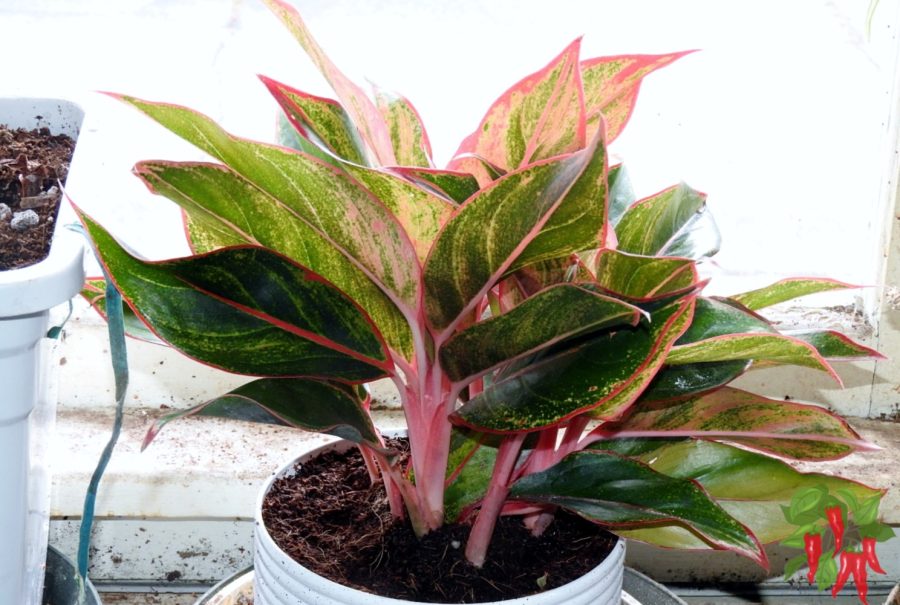
Why you’ll love it: Chinese Evergreen is often called the “perfect office plant” because it looks lush, colorful, and elegant — even under fluorescent lights! Its broad leaves can feature silvery, pink, or green patterns that brighten up any dull corner 🌸
Why Chinese Evergreen works in low light 🌘
- Chinese Evergreen is one of the most tolerant houseplants when it comes to low-light conditions — some varieties even prefer shade over bright light.
- It’s slow-growing and steady, so it doesn’t demand constant pruning or attention.
- It adapts easily to typical indoor temperatures and humidity levels, making it ideal for beginners.
Basic care tips
- Light: Prefers low to moderate indirect light. Avoid direct sunlight, which can bleach or burn the leaves.
- Water: Keep soil lightly moist but never soggy. Water when the top inch feels dry — less in winter.
- Soil: Use a well-draining potting mix with a bit of perlite or orchid bark to keep air around the roots.
- Temperature: Loves warmth (65–80°F). Keep it away from cold drafts and AC vents.
- Humidity: Normal indoor humidity is fine, but it appreciates an occasional misting.
Beginner mistakes to avoid ❌
- Overwatering — this is the quickest way to cause root rot. Always check the soil first.
- Cold air — Aglaonema hates sudden chills or drafts, which can cause leaf drop.
- Too much sun — direct rays can fade or burn its beautiful variegation.
Where to put it: Perfect for offices, bedrooms, or corners with little sunlight. It’s also great for adding a tropical touch to shady hallways or bathrooms 🌿
Fun fact: In some cultures, Chinese Evergreen is considered a symbol of good luck and positive energy — another reason it’s so popular indoors ✨
🌧 General Care Tips for Low-Light Houseplants
These tips apply to all five plants above — and honestly most “low-light tolerant” indoor plants in general:
1. Water smarter, not more 💧
- In low light, plants use water more slowly because they’re growing more slowly.
- That means overwatering is the #1 way to kill them.
- Always check the soil with your finger before watering:
- If it still feels damp → wait.
- If it feels dry a knuckle down → water evenly until it drains out the bottom.
2. Always use pots with drainage holes 🪴
- This helps extra water escape instead of sitting around the roots and causing rot.
- If your decorative pot doesn’t have drainage, keep the plant in a plastic nursery pot with holes and “cache pot” it (drop it inside the pretty pot).
3. Rotate the plant every few weeks 🔄
- Even in low light, plants will lean toward the brightest source.
- A quarter turn keeps them balanced, upright, and fuller on all sides.
4. Dust those leaves 🧽
- Dust blocks light. Less light = weaker growth.
- Use a soft damp cloth and gently wipe the leaves every few weeks (especially ZZ Plant and Peace Lily).
5. Watch for “I need more light” signals 👀
- Long, stretched-out stems reaching toward a window.
- Pale, yellowing new growth (not the older leaves, which naturally age and die off).
- Leaves getting smaller and smaller over time.
If you see those signs, try moving the plant a little closer to a window, or give it a few hours of gentle LED grow light each day.
6. A quick note on fertilizer 🌱
- In low light, plants aren’t burning through nutrients super fast.
- A gentle indoor houseplant fertilizer a few times during spring/summer is usually plenty.
- Don’t dump a bunch of fertilizer into a stressed plant — that won’t fix light or water problems.
❓ Low-Light Houseplant FAQs
Can I keep plants in a room with no windows at all?
You can keep them there temporarily, but not forever. Plants still need light to make energy. If a room has zero natural light, add a small LED grow light on a timer so they get a few hours of gentle light every day. Even low-light plants appreciate that boost 🌤
How do I know if my space is “too dark” for plants?
Try this quick test: stand where you want to put the plant around midday and hold your hand a few inches above a white piece of paper. If you can see a fuzzy shadow of your hand, most low-light plants can survive. If you can’t see any shadow at all, that’s basically “no light.” They’ll struggle there long-term without artificial light.
How often should I water low-light plants?
Way less than you think. Snake Plant and ZZ Plant like to dry out almost completely between waterings. Pothos prefers the top inch to dry before watering. Peace Lily likes slightly moist soil but not soaking wet. Overwatering is usually worse than underwatering for beginners.
Why is my Peace Lily not flowering?
Peace Lily can live in low light, but it usually blooms better in moderate, bright indirect light. In very dim spaces it will stay leafy and green (still pretty!) but may not produce many of those white “flowers.”
Are these plants safe for pets and kids?
Many common houseplants (including Pothos, Peace Lily, and some Snake Plant varieties) are considered toxic if chewed or swallowed. If you have curious pets or toddlers who like to nibble, place plants up high or choose pet-safe options instead. When in doubt, keep plants out of reach 🐾
Can I cut back my Pothos if it gets too long?
Yes! You can trim the vines and either toss the cuttings or root them in water to make new baby plants. It’s one of the easiest “free propagation” plants for beginners 👍
Why is my plant growing super slowly?
Slow growth in low light is 100% normal. As long as the plant looks healthy (firm leaves, not mushy, not crispy), you’re fine. You didn’t do anything wrong 😊
When should I repot?
Repot when roots circle tightly around the inside of the pot or start poking out of the drainage holes. Spring is usually the best time so the plant can settle in and keep growing.
Is Chinese Evergreen good for low light rooms?
Yes. Chinese Evergreen (Aglaonema) is one of the most shade-tolerant houseplants available. It thrives in low to moderate indirect light, making it perfect for offices, hallways, and rooms with minimal natural sun.
🌱 Conclusion
Even if your space is shady, you’re not “bad at plants.” You just need the right plants for the light you actually have.
Snake Plant, ZZ Plant, Pothos, and Peace Lily are all proven low-light houseplants that actually thrive indoors and don’t demand complicated care.
Start with one or two, learn their watering rhythm, and place them somewhere you’ll see them every day (so you remember to check the soil 😉).
From there, you can branch out into more varieties and build your indoor jungle one corner at a time.
You’ve got this. Happy growing! 🌿💚
👉 What to Grow: Best Plants for Your Indoor Space
📚 References & Further Reading
- North Carolina State University Extension – Snake Plant (Dracaena trifasciata)
- University of Connecticut Home & Garden Education Center – ZZ Plant (Zamioculcas zamiifolia)
- North Carolina State University Extension – Pothos (Epipremnum aureum)
- South Dakota State University Extension – Peace Lily (Spathiphyllum)
- University of Illinois Extension – Chinese Evergreen (Aglaonema)

👋 About the Author
Steve is the creator of Indoor Gardening Essentials and a hands‑on indoor gardener with years of experience growing plants in small apartments, tight corners, and low‑light spaces.
He specializes in practical, beginner‑friendly setups—from kitchen herbs and windowsill succulents to self‑watering planters, terrariums, and simple hydroponic systems. Everything he teaches comes from real experimentation, not guesswork.
Steve documents his projects, successes, and occasional failures on his YouTube channel Small Farms Big Ideas , where he tests grow lights, soil mixes, watering routines, and small‑space gardening methods.
His goal is simple: help new indoor gardeners build confidence, avoid common mistakes, and grow healthy plants—no matter how small their space is.