
🌺 Kalanchoe Blossfeldiana: Easy Care Non-Stop Blooms
Howdy friend 👋 If you’ve been craving a houseplant that rewards you with months and months of bright, cheerful blooms without a bunch of fuss, you’re in the right place.
Kalanchoe blossfeldiana is one of those rare indoor plants that looks fancy but acts simple — a true “best of both worlds” plant for beginners.
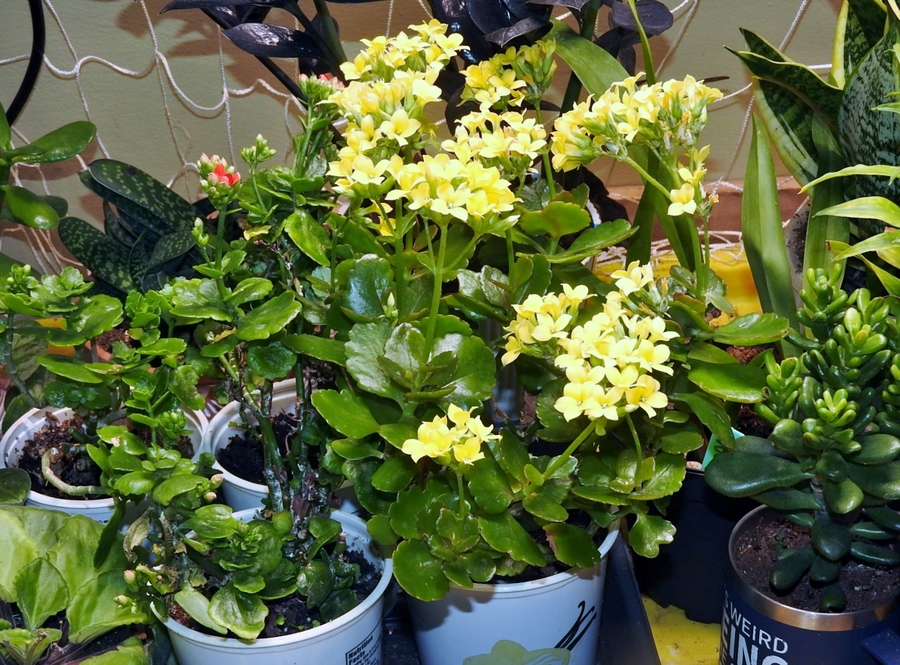
I’ve been growing several of them for a while now, including a gorgeous yellow variety, ‘Calandiva Yellow’, that has been the star of the show. And I’m talking nearly year-round flowers with barely any effort. 🌼
In this guide, I’m going to walk you through exactly how I keep mine blooming and happy — using real examples from my own plants — so you can enjoy that same nonstop color inside your home.
👀 Kalanchoe blossfeldiana Calandiva Yellow
What You’ll Learn 💐
• 🌼 How to keep Kalanchoe blossfeldiana blooming for months
• 🌞 Light, watering, soil, and easy care steps beginners can follow
• ✂️ How to deadhead and encourage nonstop blooms
• 🛠️ Troubleshooting common issues like pests, droopy leaves, or no flowers
• 🌱 Simple propagation tips and answers to common beginner questions
Why Kalanchoe Blossfeldiana Is Perfect for Beginners 🌱

Kalanchoe blossfeldiana is a compact succulent with clusters of long-lasting flowers that can stick around for weeks or even months.
Indoors, with the right care, it can bloom repeatedly through the year and brighten even the gloomiest winter window.
Here’s why beginners love it:
- 🌞 Thrives in bright windows
- 💧 Doesn’t need constant watering
- 🌿 Grows slowly and stays compact
- 🌼 Produces tons of blooms with simple care
- 😁 It’s a “feel good” plant — colorful flowers uplift your mood
Mine has bloomed so consistently that it almost feels like cheating. In fact, I’ve had one plant flower nearly nonstop for a full year.
During my first year with them, I actually had four Kalanchoes at once. Three came in with mealybugs (lucky me, right?), but even those still managed to flower for around nine months while I was treating them.
Meanwhile, the yellow one — from a different nursery — never had a single pest problem and kept blooming happily.
So if you want a forgiving, flower-packed plant that loves bright light and easy care, this one’s a winner.
Best Light Conditions for Non-Stop Blooms ☀️
Your Kalanchoe is basically solar-powered. The more bright, indirect light it gets, the more energy it will have to produce flowers.
Here’s what works best:
- Place it in a bright window — south or west is perfect
- A few hours of direct sun is totally fine
- Rotate it every week for even growth
- If winter light is weak, consider a small grow light
In my own setup, I keep mine about 4 feet away under an LED grow light. As I said in the video: “It likes bright light, but it doesn’t have to be bright-bright.”
You don’t need a greenhouse setup. Just a sunny sill is often enough to keep the blooms coming.
Soil & Potting: Keep It Light and Fast-Draining 🪴
Kalanchoe blossfeldiana is a succulent, so the roots absolutely hate sitting in soggy soil. If you want nonstop blooms, you want healthy roots — and healthy roots need quick drainage.
Use one of these:
- 🌵 Cactus/succulent mix
- 🌱 Regular potting mix + 30–50% perlite
- 🏜️ Potting mix + coarse sand for extra drainage
Also make sure your pot has drainage holes — no exceptions.
Kalanchoes prefer to stay slightly rootbound, so don’t jump to a giant pot. A snug fit keeps the plant compact and encourages more flowers.
Watering: Less Than You Think 💧
This is where beginners often overdo it. Kalanchoe is one of those “water me when I’m dry” plants. Treat it like a succulent — not a thirsty tropical.
Simple rule:
Let the top 2 inches of soil dry out before watering again.
- If leaves wrinkle — it’s ready for water
- If leaves turn yellow/mushy — it’s getting too much water
- If stems flop — soil might be soggy underneath
When you water, water deeply until it drains through the holes, then ignore it until dry again. I only water mine every 2-3 weeks.
Fertilizer: A Light Boost for Better Blooms 🌼
You don’t need much — this plant is easygoing.
Feed it:
- Once every 4–6 weeks
- With a balanced indoor plant fertilizer
- Only during spring and summer
Skip winter fertilizing unless your plant is actively blooming. I have not fertilized mine at all in the year I’ve had them.
Deadheading: The Secret to Long-Lasting Color ✂️
This trick makes all the difference.
Every time a cluster of flowers fades, snip it off. In your own words from the video:
“As long as you take the flowers off, it will keep blooming just about all year.”
Deadheading lets the plant redirect energy into producing fresh buds instead of maintaining old flowers.
How to Keep It Blooming Year-Round 🌸
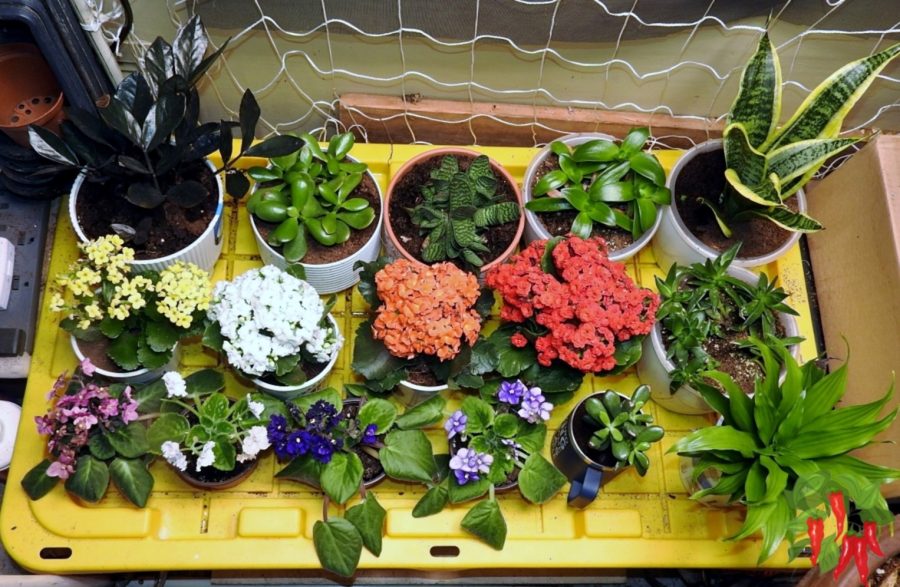
While Kalanchoe can rebloom naturally indoors, you can also “reset” it the same way growers do by giving it long nights.
Easy Indoor Bloom-Reset Method
- Give it 14 hours of darkness each night
- Keep this up for 4–6 weeks
- During daylight hours, give it bright indirect light
Most beginners never bother with this because the plant blooms so often on its own — especially with regular deadheading.
Common Problems & Simple Fixes 🛠️
Leggy Growth
Cause: Not enough light
Fix: Move to a brighter window or use a grow light.
Droopy or Mushy Leaves
Cause: Overwatering
Fix: Let soil dry out fully; repot if necessary.
No Flowers
Cause: Insufficient light, old blooms not removed, or plant needs bloom reset
Fix: Deadhead, increase light, or try the long-dark treatment.
Pests
Kalanchoe can get mealybugs, and yes — I’ve been there. Three of mine arrived with them. Clean with:
- Cotton swab + rubbing alcohol
- Insecticidal soap
- Neem Oil
- Pruning damaged areas
Keep infected plants away from others until clean.
Propagation: Make More Kalanchoe Plants 🌿
Propagation is easy and fun:
- Snip a stem cutting
- Let it dry and callus for 1–2 days
- Plant in well-draining mix
- Water lightly
In a few weeks, your cutting should root and begin growing.
🌿 Important for Pet Owners
Before bringing any new plant home, double-check its safety using the ASPCA’s official toxic and non-toxic plant database. It’s one of the most trusted resources for pet parents.
👉 Visit the ASPCA Toxic & Non-Toxic Plant List
Kalanchoe plants are toxic to pets, particularly dogs and cats, and can cause gastrointestinal upset and more severe symptoms if ingested.
Kalanchoe Blossfeldiana FAQs ❓
How much light does Kalanchoe Blossfeldiana need?
Bright light is key. A sunny window is ideal, but bright indirect light works too.
How often should I water it?
Let the top 2 inches of soil dry before watering again.
Why isn’t my Kalanchoe blooming?
Usually lack of light or old flowers left on the plant. Deadhead regularly and brighten the lighting.
Can I keep it outdoors?
Yes, in warm months — but bring it indoors when temps drop below 55°F.
Is Kalanchoe safe for pets?
No. Check the ASPCA website; place plants out of reach even if listed non-toxic.
How do I propagate it?
Take stem cuttings, let them callus, and plant in fast-draining soil.
How long do the blooms last?
Several weeks to months with good light and consistent deadheading.
Kalanchoe Plant Conclusion 🌈

If you want months of indoor color without complicated care, Kalanchoe blossfeldiana is one of the best plants you can grow.
It’s cheerful, tough, and generous — exactly what beginner indoor gardeners appreciate.
Whether you’re battling winter blues or just want a plant that “gives back,” this one delivers.
Follow the steps above, deadhead when needed, and enjoy those bright blooms again and again.
Until next time — take good care of yourself and your plants… and don’t forget: stay green! 🌿
👉 What to Grow: Best Plants for Your Indoor Space
References 📚
- Kalanchoe blossfeldiana – UF/IFAS Extension (EDIS FP309)
- Kalanchoe blossfeldiana – NC State Extension Plant Toolbox
- Kalanchoe – Clemson Cooperative Extension HGIC
- How Do I Care for Kalanchoe? – Iowa State University Extension
- Kalanchoe – PlantTalk Colorado (Colorado State University Extension)

👋 About the Author
Steve is the creator of Indoor Gardening Essentials and a hands‑on indoor gardener with years of experience growing plants in small apartments, tight corners, and low‑light spaces.
He specializes in practical, beginner‑friendly setups—from kitchen herbs and windowsill succulents to self‑watering planters, terrariums, and simple hydroponic systems. Everything he teaches comes from real experimentation, not guesswork.
Steve documents his projects, successes, and occasional failures on his YouTube channel Small Farms Big Ideas , where he tests grow lights, soil mixes, watering routines, and small‑space gardening methods.
His goal is simple: help new indoor gardeners build confidence, avoid common mistakes, and grow healthy plants—no matter how small their space is.