
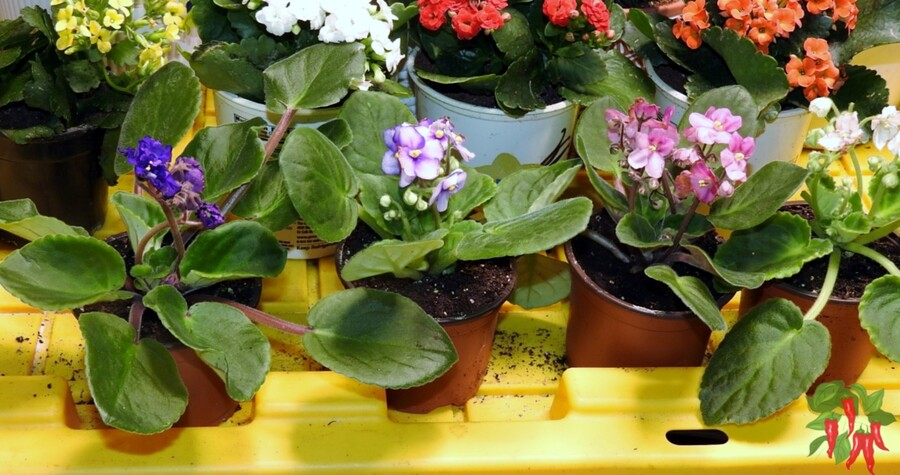
One of the most common indoor gardening surprises happens a few months after you bring a plant home. It looked perfect on the shelf, fit the table, and felt truly small-space friendly.
And then… it didn’t stop growing.
Some indoor plants genuinely stay compact for their entire lives indoors. Others only look small at first, then quietly outgrow shelves, corners, and living spaces once they settle in.
This guide focuses on indoor plants that stay small long-term, helping you avoid plants that quickly outgrow apartments, small homes, or limited indoor spaces.
If you’re looking for a broader starting point on choosing plants based on your home, light, and goals, you may also find this helpful:
What to Grow: Best Plants for Your Indoor Space
✨ What You’ll Learn
- 🪴 What “stays small” really means indoors
- 📏 Why pot size doesn’t control plant size long-term
- 🌱 Which growth habits naturally stay compact
- 🚫 Which plants only look small at the beginning
🪴 What Does “Stays Small” Actually Mean Indoors?
When we say a plant “stays small,” we’re not talking about how it looks at the garden center.
We’re talking about its natural mature size indoors — the size it settles into once it’s done growing.
- A plant that stays small doesn’t rely on constant pruning
- Its mature height and width remain manageable
- It fits your space long-term without effort
This matters because many indoor plants go through a “cute phase” — they start compact, then stretch, climb, or spread once they’re established.
Beginner Indoor Gardening Guides
📏 Why Pot Size Doesn’t Actually Keep Plants Small
A really common myth is that a small pot keeps a plant small.
In reality, pot size can slow growth — but it doesn’t change what the plant wants to become.
- 📦 Small pots restrict roots, not genetics
- 🌱 Plants still push upward or outward if they’re meant to
- 😬 Long-term restriction often causes stress, not compact form
Plants that truly stay small do so because of their growth habit — not because they’re being held back.
🌱 Growth Habits That Naturally Stay Compact
Instead of memorizing plant names, it helps to recognize growth patterns.
Plants that stay small usually fall into one (or more) of these categories:
- Rosette growers: leaves grow outward from a central point
- Clump formers: slow, contained expansion instead of height
- Naturally dwarf varieties: bred to stay compact
- Many succulents: slow, predictable growth with enough light
These plants don’t need controlling — they’re already wired to behave.
More Small-Space Plant Guides
🚫 Plants That Stay Small at First (But Not Forever)
Some indoor plants are commonly sold young and compact, which makes them feel “safe” for small spaces.
The surprise comes later, when they mature.
- 🚫 Fast juveniles that slow down only after getting large
- 🚫 Plants bred for outdoor scale but sold small indoors
- 🚫 Plants that rely on pruning to stay reasonable
There’s nothing wrong with these plants — they’re just better suited to rooms with more flexibility.
Up next: Indoor plants that naturally stay small, grouped by growth style (compact foliage plants, rosette plants, small succulents, and petite flowering options).
🌱 Indoor Plants That Naturally Stay Small

Now that you know what “stays small” actually means, let’s look at the types of indoor plants that truly fit the bill.
These plants don’t rely on constant pruning or special tricks. They stay compact because that’s how they’re built.
To keep this useful (and avoid overlap with care or lighting posts), these are grouped by growth style, not by difficulty or conditions.
🪴 Naturally Compact Foliage Plants
These plants grow slowly and keep a tidy shape without spreading aggressively or climbing.
- Growth stays contained and predictable
- Mature size remains manageable indoors
- Great for shelves, desks, and side tables
They’re ideal if you want greenery that feels permanent rather than something you’ll need to move later.
🌿 Rosette-Style Plants (Wide, Not Tall)
Rosette plants grow outward from a central point instead of shooting upward.
This makes their growth easy to predict — they get fuller, not taller.
- Height stays low
- Width increases slowly and evenly
- Works well on low surfaces and window sills
These are perfect if vertical space is your main limitation.
🌵 Small Succulents That Stay Compact Indoors
Many succulents naturally stay small — especially indoors, where growth is slower and more controlled.
With enough light, they keep tight shapes and don’t sprawl or climb.
- 🌵 Slow, steady growth
- 📐 Clear, defined mature size
- 😌 Minimal space changes over time
Succulents are especially good if you want something that looks finished even when it’s small.
🌸 Petite Flowering Indoor Plants
Not all flowering plants grow into large, leafy shrubs.
Some stay compact while still giving you color and interest throughout the year.
- Compact bloomers fit small spaces
- Flowers add impact without size
- Easy to place on tables or shelves
These are great if you want something more eye-catching than foliage alone — without committing to a large plant.
🧠 How to Choose Between These Types
If you’re torn between options, let your space guide you:
- 📚 Tight vertical space → rosette or succulent
- 🖥️ Desk or shelf → compact foliage plant
- 🌸 Decorative accent → petite flowering plant
When a plant’s natural shape matches your space, everything feels easier.
Up next: Plants that only look small at first, a quick “will this stay small?” filter, FAQs, and a clean wrap-up linking back to the pillar.
🚫 Plants That Look Small (But Don’t Stay Small)
One of the easiest ways to get frustrated with indoor plants is choosing something that looks compact now, but quietly grows past what you planned for.
These plants aren’t bad — they’re just often misunderstood.
- 🚫 Plants sold young but bred for much larger mature sizes
- 🚫 Fast growers that rely on pruning to stay manageable
- 🚫 “Mini” or “tabletop” plants that are only temporary versions
If a plant needs constant trimming to behave, it doesn’t truly stay small — it’s being managed.
Plant Growth & Care Guides
⚖️ A Simple “Will This Plant Stay Small?” Filter
Before bringing a plant home, run it through this quick checklist:
- What is its typical mature size indoors?
- Is it naturally compact, or just young?
- Does it rely on pruning to stay small?
- Will it still fit this spot in a year?
If the plant passes these questions easily, it’s probably a great long-term fit.
Explore More Indoor Plant Guides
💬 FAQs: Indoor Plants That Stay Small
Do indoor plants stay smaller than outdoor plants?
Often yes. Indoor conditions usually slow growth, but plants will still reach a size that matches their genetics over time.
Can pot size keep a plant small permanently?
No. Smaller pots may slow growth, but they don’t change a plant’s natural mature size.
Are plants that stay small harder to care for?
Not usually. Many compact plants are easier because they don’t require pruning or constant adjustment.
Do succulents always stay small indoors?
Many do, especially slow-growing varieties, but some can still spread or get tall over time depending on the type.
Is pruning a good way to control plant size?
Pruning can help shape a plant, but it shouldn’t be the main strategy for keeping a plant small long-term.
🌼 Indoor Plants That Stay Small: Final Thoughts
Choosing indoor plants that stay small makes indoor gardening calmer and more predictable.
When a plant’s natural size fits your space, you don’t have to fight it, trim it constantly, or wonder what it will turn into next.
If you’re just starting out, compact plants are one of the easiest ways to build confidence and enjoy greenery without surprises.
For a full guide to choosing plants that match your light, space, and goals, head back to the main pillar:
What to Grow: Best Plants for Your Indoor Space
Continue Exploring Indoor Gardening
📚 References & Further Reading
- University of Minnesota Extension – Houseplants
- University of Illinois Extension – Houseplants
- Penn State Extension – Caring for Houseplants

👋 About the Author
Steve is the creator of Indoor Gardening Essentials and a hands‑on indoor gardener with years of experience growing plants in small apartments, tight corners, and low‑light spaces.
He specializes in practical, beginner‑friendly setups—from kitchen herbs and windowsill succulents to self‑watering planters, terrariums, and simple hydroponic systems. Everything he teaches comes from real experimentation, not guesswork.
Steve documents his projects, successes, and occasional failures on his YouTube channel Small Farms Big Ideas , where he tests grow lights, soil mixes, watering routines, and small‑space gardening methods.
His goal is simple: help new indoor gardeners build confidence, avoid common mistakes, and grow healthy plants—no matter how small their space is.