
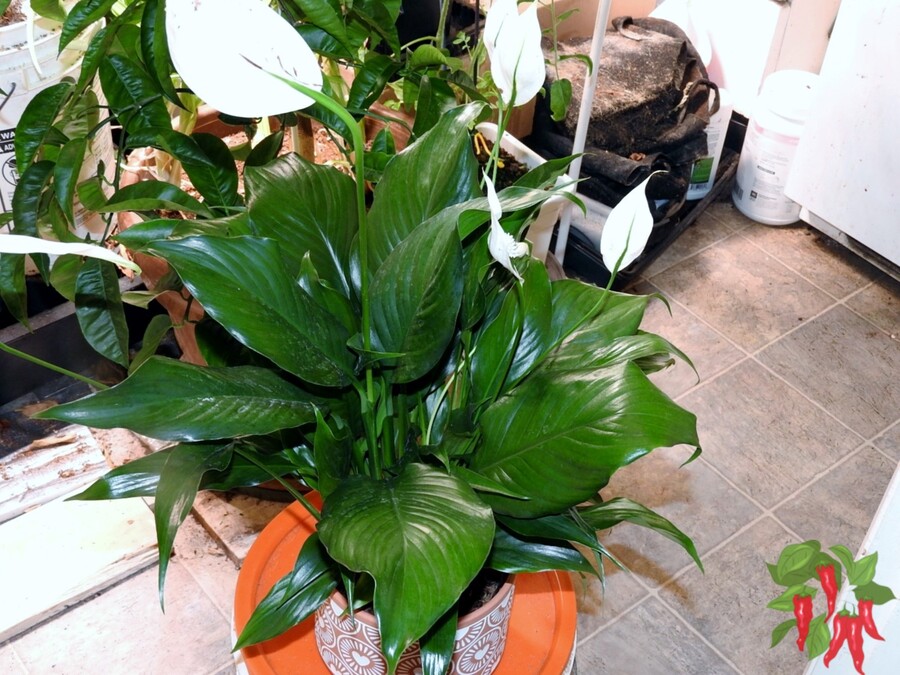
If you’ve ever had a plant look amazing for a while… then suddenly slow down, stall, or drop a few leaves, you’re not doing anything “wrong.”
A lot of beginners hit this moment and think: Wait — do indoor plants just stop growing part of the year?
Here’s the good news: There are many indoor plants that grow well year-round, especially when they’re naturally suited to indoor life.
This guide helps you choose plants that stay steady, predictable, and reliable across seasons — so you get consistent wins instead of confusing ups and downs.
If you want the full “choose the right plant for your home” overview, start here:
What to Grow: Best Plants for Your Indoor Space
✨ What You’ll Learn
- 🌿 What “year-round growth” realistically means indoors
- 🕰️ Why some plants stay steady while others pause seasonally
- 🏠 Which indoor conditions affect growth the most
- ✅ How to pick plants that feel consistent and predictable
🧠 What “Year-Round Growth” Really Means Indoors
Let’s clear up the biggest confusion first: year-round growth doesn’t always mean constant, rapid growth.
It usually means the plant stays healthy and stable across seasons — and continues to put out some growth regularly instead of shutting down completely.
- ✅ The plant keeps its leaves and overall structure
- ✅ Growth continues in a steady “slow and sure” way
- ✅ You don’t get dramatic seasonal decline
For beginners, that stability is everything. It means fewer surprises and fewer “Is this plant dying?” moments.
🌤️ Why Indoor Plants Sometimes Slow Down (Even Indoors)
Even if your plant lives inside, your home still changes through the year.
The biggest seasonal shift for most indoor plants is light — not temperature.
- ☀️ Days get shorter in fall and winter
- 🪟 Sun angles change, so windows deliver different intensity
- 🏠 Indoor heating can dry the air and change how plants “feel” day to day
So when a plant slows down in winter, it’s often responding to a real environmental change — not a care mistake.
✅ The Plants That Grow Well Year-Round Share a Few Traits
Plants that stay consistent indoors tend to share certain “indoor-friendly” behaviors.
They don’t rely on outdoor seasonal cues, and they don’t need a big reset period to stay healthy.
🌿 Trait #1: They Don’t Depend on Outdoor Seasons
- 📆 They don’t require winter dormancy
- 🌡️ They tolerate steady indoor temperatures
- 🏠 They’re naturally suited to stable environments
🐢 Trait #2: Their Growth Pattern Is Steady (Not “Boom and Bust”)
- 🐢 They grow slowly but consistently
- 🧠 They’re predictable and easy to “read”
- ✅ They don’t require frequent seasonal resets
🍃 Trait #3: They Hold Their Structure Well Indoors
- 🍃 They don’t drop leaves dramatically when conditions shift
- 🪴 They stay visually stable even when growth slows
- 🏠 They “look alive” year-round, not only in spring and summer
Up next: The types of indoor plants that tend to stay most consistent year-round (grouped by growth behavior), plus a quick way to choose the best fit for your home.
🌿 Indoor Plants That Tend to Grow Well Year-Round
Plants that stay consistent indoors usually aren’t flashy or fast. They’re steady, predictable, and well-adapted to stable home environments.
Instead of relying on outdoor seasons, these plants respond more to everyday indoor conditions — which makes them easier to live with across the year.
🌱 Evergreen Foliage Plants (Structure Stays Intact)
Evergreen foliage plants keep their leaves year-round. Even when growth slows, the plant still looks full and healthy.
- 🌿 Leaves stay in place instead of dropping seasonally
- 🪴 Overall shape stays stable month to month
- 😌 Fewer visual “setbacks” for beginners
These plants are ideal if you want something that looks alive and present even during slower growth periods.
🐢 Slow, Steady Growers That Don’t Need a Reset
Some plants don’t rush through growth cycles — and that’s a big advantage indoors.
- 🐢 Growth happens gradually all year
- 📆 No sharp “on/off” seasons
- 🧠 Easier to track progress and health
For beginners, steady growth feels reassuring because the plant doesn’t suddenly change behavior every few months.
🌵 Succulents With Consistent Indoor Growth Cycles
Many succulents can grow steadily year-round indoors — especially when light stays strong and consistent.
- 🌵 Naturally compact growth habits
- 🐢 Slow, controlled size changes
- 🪴 Clear visual cues when they’re doing well
Succulents don’t rely on seasonal dormancy the same way many outdoor plants do. When their basic indoor needs are met, they can stay stable across the year.
🌿 Herbs That Don’t Require Seasonal Dormancy
Some herbs are naturally suited to steady indoor environments and can continue producing leaves year-round.
- 🌿 Leaf-focused growth instead of seasonal flowering
- ✂️ Regular trimming encourages ongoing growth
- 🪴 Predictable cycles when kept indoors
These herbs behave more like foliage plants indoors — growing steadily rather than following outdoor seasonal patterns.
🧠 Why These Plants Feel Easier Year-Round
The common thread here isn’t speed or simplicity — it’s consistency.
Plants that grow well year-round don’t rely on seasonal triggers, dramatic light changes, or outdoor temperature swings to stay healthy.
That makes them easier to understand, easier to trust, and far less stressful for beginners.
Up next: Plants that commonly pause, drop leaves, or confuse beginners seasonally — plus FAQs and a clear takeaway for choosing steady, year-round indoor plants.
🚫 Indoor Plants That Commonly Pause or Decline Seasonally
Not every indoor plant is built for steady, year-round growth. Some are wired to respond to seasonal cues — even when they live inside.
When beginners don’t expect this, normal seasonal behavior can feel like a problem.
🍂 Plants That Expect a Seasonal Reset
Some plants naturally slow down, rest, or drop leaves during certain parts of the year.
- 🍂 Reduced growth during shorter days
- 🪴 Temporary leaf drop without obvious stress
- 📉 Long pauses that can look like decline
These plants aren’t failing — they’re following internal rhythms that don’t always match indoor expectations.
🌸 Flowering Plants With Strong Seasonal Cycles
Plants grown primarily for flowers often follow bloom cycles rather than steady leaf growth.
- 🌸 Bloom-heavy periods followed by quiet phases
- 🍃 Leaf growth may slow once flowering ends
- 🕰️ Timing can vary year to year indoors
For beginners expecting constant visible progress, these shifts can feel confusing or disappointing.
🪵 Plants That Drop Leaves as a Stress Response
Some plants respond to even small environmental changes by shedding leaves.
- 🪟 Light shifts from season to season
- 🏠 Drier air during heating season
- 🔄 Normal adjustment, not permanent damage
If your goal is steady, confidence-building growth, plants with this behavior can feel harder to interpret.
⚖️ A Simple Filter for Choosing Year-Round Indoor Plants
Before choosing a plant you want to enjoy all year, ask yourself:
- 📆 Does this plant rely on outdoor seasons?
- 🍃 Does it keep its leaves year-round?
- 🐢 Is its growth steady rather than dramatic?
- 🧠 Will slower growth still look healthy?
Plants that answer “yes” to stability and structure are usually the easiest to live with across seasons.
If you want help choosing plants based on your exact space and goals, this guide ties everything together:
What to Grow: Best Plants for Your Indoor Space
💬 FAQs: Indoor Plants That Grow Well Year-Round
Do indoor plants really grow year-round?
Many do, but growth is usually slower during shorter days. Year-round growth means stability, not nonstop rapid growth.
Why does my indoor plant slow down in winter?
Shorter daylight hours and lower light intensity can naturally slow growth, even indoors.
Are there indoor plants that don’t go dormant?
Yes. Many foliage plants, succulents, and some herbs don’t require dormancy and stay active indoors.
Is slower growth a sign something is wrong?
Not necessarily. Slower growth is often normal and still indicates a healthy plant.
Can herbs really grow year-round indoors?
Some can. Leaf-focused herbs often continue growing indoors when light and conditions remain steady.
🌼 Conclusion: Steady Growth Builds Confidence
Year-round indoor growth isn’t about pushing plants to grow faster — it’s about choosing plants that stay steady and predictable.
When you match plants to indoor life, seasonal slowdowns feel normal instead of stressful.
Start with one plant that stays consistent across the year. Once that feels easy, you can always experiment with others.
To choose your next plant with confidence, head back to the main guide here:
What to Grow: Best Plants for Your Indoor Space
📚 References & Further Reading
- University of Minnesota Extension – Houseplants
- University of Illinois Extension – Houseplants
- Penn State Extension – Caring for Houseplants

👋 About the Author
Steve is the creator of Indoor Gardening Essentials and a hands‑on indoor gardener with years of experience growing plants in small apartments, tight corners, and low‑light spaces.
He specializes in practical, beginner‑friendly setups—from kitchen herbs and windowsill succulents to self‑watering planters, terrariums, and simple hydroponic systems. Everything he teaches comes from real experimentation, not guesswork.
Steve documents his projects, successes, and occasional failures on his YouTube channel Small Farms Big Ideas , where he tests grow lights, soil mixes, watering routines, and small‑space gardening methods.
His goal is simple: help new indoor gardeners build confidence, avoid common mistakes, and grow healthy plants—no matter how small their space is.