
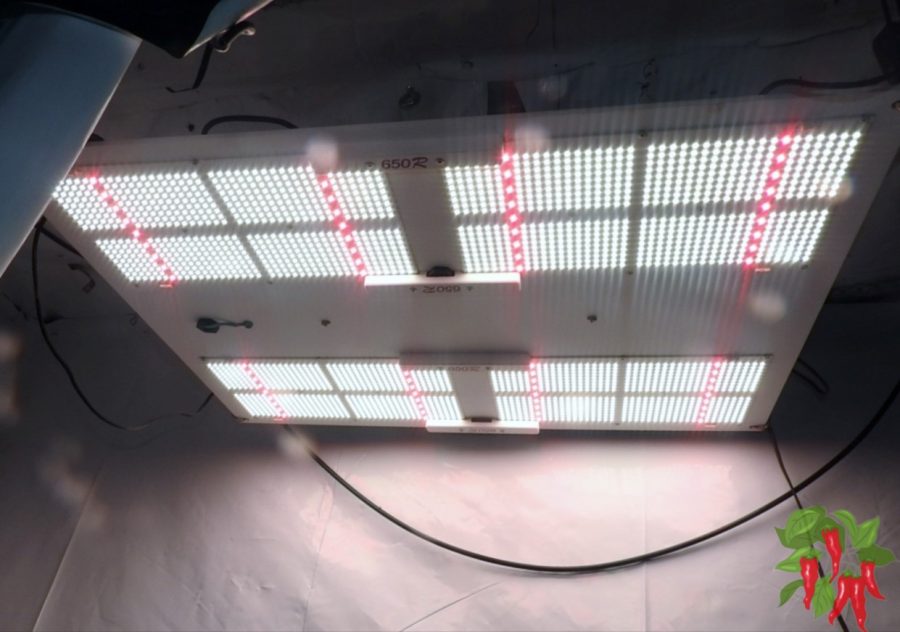
If you’ve been asking how many hours of light do indoor plants need, you’re in the right place.
This is one of those questions that sounds simple until you realize every plant tag says something vague like “bright indirect light” and your living room doesn’t come with a manual.
The good news: you don’t need to measure perfect sunlight or memorize a science textbook. You just need a realistic daily light routine (especially if you’re using a grow light or you’re working with less-than-ideal windows).
In this guide, you’ll learn the most beginner-friendly way to think about light hours, what ranges work for most indoor plants, and how to keep things consistent without overthinking it.
🌞 What You’ll Learn
- ⏰ A simple daily range of light hours that works for most indoor plants
- 💡 Why “hours of light” and “brightness” aren’t the same thing
- 🪟 How window light schedules differ from grow light schedules
- 🌙 Why plants usually need darkness at night (yes, even indoors)
- 📌 The easiest way to set a routine you can actually stick with
🌤️ Why Hours of Light Matter for Indoor Plants
Light is basically your plant’s “food source.” Indoors, light is often the limiting factor — not water, not fertilizer, not even your pot size.
That’s why timing matters: if your plant only gets a short window of usable light each day, it may survive… but it won’t really thrive.
💡 Light duration vs light intensity (the quick mental model)
Beginners often get stuck on the wrong question: “Is my light strong enough?” But indoors, a better starting point is:
- 🌞 Intensity = how bright the light is (strong sun vs a dim corner)
- ⏳ Duration = how long your plant gets that usable light each day
Here’s the beginner-friendly takeaway: if your light isn’t super strong (most windows aren’t “strong” all day), a steady schedule can help your plant get enough total light over time.
📌 Consistency beats “perfect”
Indoor plants love predictable routines. If your light hours swing wildly (8 hours one day, 2 hours the next, then 14 hours), plants often respond with slow growth, droopy leaves, or that “just kinda stuck” look.
That’s why timers are such a cheat code. A simple on/off schedule removes the guesswork and keeps your plant’s day-to-day conditions steady.
⏰ How Many Hours of Light Do Indoor Plants Need Each Day?
For most beginner-friendly indoor plants, a reliable target is:
- ✅ 10–12 hours/day = a solid “works for most homes” baseline
- ✅ 12–14 hours/day = often ideal when using grow lights or in winter
- ⚠️ 16 hours/day = usually the upper edge for typical indoor setups
You’ll notice something important there: indoor plants usually don’t need lights blasting all day. More hours can help up to a point, but beyond that you’re often wasting energy and stressing the plant.
🌿 A simple “start here” schedule (beginner-proof)
If you want a clean starting routine that works for most houseplants:
- ⏲️ Set your light (or grow light timer) for 12 hours on
- 🌙 Give your plant 12 hours off (darkness/rest time)
- 📆 Stick with it for 2–3 weeks before making changes
This isn’t about being strict — it’s about giving your plant a consistent day/night rhythm so it can settle in and grow.
🪟 “But I’m using window light… how do I count hours?”
Great question — and here’s the honest answer: you don’t need to count every minute. Window light changes hour by hour (and season by season). Instead, focus on the hours your plant gets the best light in your home.
- 🌅 If your plant sits near a bright window and gets strong light for a chunk of the day, it may do fine without extra lighting
- 💡 If your plant is set back from the window, in a darker room, or it’s winter, adding a grow light schedule helps a lot
Next, we’ll get specific about how light-hour needs change depending on plant type and setup (low light vs medium light vs high light), so you’re not stuck guessing.
If you’re following a good light schedule but still aren’t sure things are working, this guide shows how to tell if your indoor plants are getting enough light.
How to Tell If Your Indoor Plants Are Getting Enough Light
🌿 Light Hour Needs by Plant Type
Not all indoor plants use light the same way. Some are naturally adapted to shaded forest floors, while others evolved in bright, open environments.
That’s why the number of hours your plants need depends more on their light category than their exact species name.
Below is a beginner-friendly way to think about light hours based on common indoor plant groups.
🌱 Low-light indoor plants
Low-light plants are often marketed as “easy,” but that doesn’t mean they thrive in darkness. They simply tolerate fewer hours of usable light than other plants.
- ⏰ Typical light range: 8–10 hours per day
- 🌿 Examples: snake plants, pothos, ZZ plants, cast iron plants
- 📌 Best for rooms with indirect window light or gentle grow lights
If low-light plants get fewer than about 8 hours consistently, growth often slows to a crawl. They may survive, but they won’t put out much new growth.
🌿 Medium-light indoor plants
This is the largest group of houseplants — and where most beginners land. These plants like bright, indirect light and benefit from steady daily exposure.
- ⏰ Typical light range: 10–12 hours per day
- 🌿 Examples: philodendrons, monsteras, peace lilies, rubber plants
- 🪟 Often happy near bright windows or with light grow light support
If your plant looks healthy but isn’t growing much, increasing light hours slightly (instead of brightness) is often the easiest adjustment.
☀️ High-light indoor plants
High-light plants need longer daily exposure because they’re adapted to brighter conditions. Indoors, this usually means pairing natural light with grow lights.
- ⏰ Typical light range: 12–14 hours per day
- 🌿 Examples: tomatoes, peppers, herbs, citrus, succulents, flowering plants
- 💡 Often struggle indoors without supplemental lighting
For these plants, adding hours is usually safer than blasting them with overly intense light all at once.
🌞 Natural Light vs Grow Lights: Do Hours Change?
Yes — and this is where many beginners get tripped up. Natural light and grow lights behave very differently, even if they look similar at a glance.
🪟 Why window light hours are hard to measure
Sunlight through windows isn’t constant. Clouds, window direction, time of year, and even nearby buildings all affect how much usable light your plant actually gets.
That’s why a plant can sit near a window “all day” and still behave like it only received a few solid hours of light.
💡 How grow lights simplify timing
Grow lights are predictable. When they’re on, they’re providing usable light. When they’re off, they’re not. That makes light hours much easier to control.
- ⏲️ You control the exact number of hours
- 📆 Timers keep schedules consistent
- 🌿 Plants respond well to stable routines
This is why many indoor gardeners rely on grow lights even in bright homes — not because windows are bad, but because consistency is easier.
If you’re new to artificial lighting, this beginner grow light setup guide walks through placement and timers step by step.
Grow Light Setup for Beginners: Easy Setup Tips
🔄 Mixing natural and artificial light safely
You don’t have to choose one or the other. Many setups work best by combining both.
- 🌞 Use window light during the day
- 💡 Add grow lights to extend total light hours
- 🌙 Turn lights off at night to give plants rest time
This approach keeps plants happy without forcing you to rely entirely on artificial lighting.
🌙 Do Indoor Plants Need Darkness at Night?
Yes — most indoor plants benefit from a clear light-and-dark cycle. Just like people, plants use rest periods to recover and regulate growth.
🌿 What happens during dark hours
At night, plants shift from active growth to maintenance mode. This downtime supports healthy leaf development, root function, and overall balance.
⚠️ Why leaving lights on 24/7 backfires
Keeping lights on constantly can stress plants over time. Common issues include stalled growth, faded leaves, or a general “off” appearance.
That’s why most indoor plants do best with a regular cycle — usually around 12 hours of light followed by 12 hours of darkness.
In the final section, we’ll cover seasonal adjustments, common beginner mistakes, and quick answers to the most frequently asked questions.
📆 Adjusting Light Hours Through the Seasons
Indoor light conditions change more than most people realize. Even if your plant never moves, the amount of usable light it receives can shift a lot between summer and winter.
❄️ Shorter winter days indoors
In winter, days are shorter and sunlight comes in at a lower angle. That means:
- 🌥️ Window light is weaker for fewer hours
- 🪟 North-facing rooms feel darker overall
- 🌱 Plants often slow their growth naturally
This doesn’t mean something is wrong — it just means your plant’s light routine may need a small adjustment.
🔆 Should you increase light hours in winter?
For many indoor plants, yes — slightly. Extending light exposure with a grow light helps make up for lost daylight without shocking the plant.
- ⏰ Add 1–2 extra hours of light if growth stalls
- 💡 Use timers to keep schedules consistent
- ⚠️ Avoid sudden jumps to very long light days
Small changes work better than dramatic ones.
⚠️ Common Beginner Mistakes With Light Timing
Many lighting issues come from good intentions. Here are the most common timing mistakes beginners make — and how to avoid them.
- 🚫 Leaving grow lights on 24/7
- 🔁 Changing schedules every few days
- ⏳ Assuming more hours always means better growth
- 🌙 Forgetting that plants need darkness, too
When in doubt, return to a simple, steady routine and give your plant time to respond.
Why Indoor Plants Grow Slowly (It’s Usually Light)
Indoor Garden Lighting Made Easy: The Ultimate Beginner Guide
❓ Frequently Asked Questions
How many hours of light do indoor plants need per day?
Most indoor plants do well with about 10–12 hours of light per day. Plants with higher light needs may benefit from up to 14 hours, especially when using grow lights.
Is 6 hours of light enough for indoor plants?
Six hours is usually on the low side for most indoor plants. Some low-light plants may survive, but growth is often slow and weak. Increasing light hours typically helps more than increasing brightness.
Can indoor plants get too much light?
Yes. Too many hours of light, especially without darkness, can stress plants and lead to stalled growth or leaf issues. Most indoor plants benefit from a regular light-and-dark cycle.
Should grow lights be on at night?
Grow lights are best used during the day or early evening. Leaving them on overnight can interfere with a plant’s natural rest period.
Do indoor plants need light every day?
Yes. Indoor plants rely on consistent daily light. Skipping days or providing light only occasionally often leads to slow growth and stress.
🌱 Final Thoughts: Finding the Right Light Routine
If there’s one thing to remember, it’s this: indoor plants don’t need perfection, they need consistency. A steady daily light routine, even if it’s not “ideal,” will usually outperform an unpredictable setup.
Start simple. Choose a reasonable number of light hours, stick with it for a few weeks, and watch how your plant responds. Once that first routine feels easy, adjusting becomes much less intimidating.
👉 See all lighting posts in our Light and Setup category
📚 Further Reading (Research-Backed)
If you’d like to dive deeper into how light affects indoor plants, these university extension resources provide reliable, research-based information on plant lighting, light intensity, duration, and supplemental lighting:
University of Minnesota Extension – Lighting for Indoor Plants
(explains light intensity, duration, and how it affects photosynthesis) :
University of Maryland Extension – Lighting for Indoor Plants
(breaks down the three key aspects of plant lighting: intensity, duration, and quality)
Penn State Extension – Low-Light Houseplants
(good context for how different plants respond to light conditions)
These pages are excellent complements to this guide — especially if you want to understand *why* light matters for plant growth, not just *what* to adjust.

👋 About the Author
Steve is the creator of Indoor Gardening Essentials and a hands‑on indoor gardener with years of experience growing plants in small apartments, tight corners, and low‑light spaces.
He specializes in practical, beginner‑friendly setups—from kitchen herbs and windowsill succulents to self‑watering planters, terrariums, and simple hydroponic systems. Everything he teaches comes from real experimentation, not guesswork.
Steve documents his projects, successes, and occasional failures on his YouTube channel Small Farms Big Ideas , where he tests grow lights, soil mixes, watering routines, and small‑space gardening methods.
His goal is simple: help new indoor gardeners build confidence, avoid common mistakes, and grow healthy plants—no matter how small their space is.