

When you’re new to indoor gardening, the hardest part isn’t always watering or soil or “getting it right.”
The hardest part is the waiting.
You bring a plant home, you do your best… and then you stare at it for two weeks thinking, Is anything even happening?
That’s why fast-growing indoor plants are such a confidence booster. Not because you’re trying to rush nature — but because seeing visible progress keeps you motivated.
This guide focuses on indoor plants that show clear, noticeable growth relatively quickly — new leaves, longer vines, fresh shoots — the kind of progress that makes you want to keep going.
If you want the full “match plants to your space” overview (herbs, veggies, and houseplants), start here:
What to Grow: Best Plants for Your Indoor Space
✨ What You’ll Learn
- 🌱 What “fast-growing” actually means indoors
- 👀 The types of growth that are easiest to notice
- 🕰️ What kind of speed is realistic (so you don’t get discouraged)
- 🚫 When fast growth is a warning sign, not a win
👀 What “Fast Growth” Looks Like Indoors
When people hear “fast-growing,” they often picture a plant shooting up like a beanstalk.
Indoors, fast growth usually looks different — and it’s often better measured by visible change than height.
- 🍃 New leaves showing up regularly
- ⬇️ Vines getting longer week to week
- 🌿 New shoots or side stems filling in
- 🌱 Offsets (“baby plants”) appearing around the base
This is important because a plant can be “growing” without getting taller. A lot of indoor plants build roots, thicken stems, or fill in their shape before they gain height.
🥬 Visual Growth vs Harvest Speed (Important Difference)
You already have great posts on fast vegetables and edible growing. This post is different.
We’re not talking about how quickly you can harvest food — we’re talking about how quickly you can see progress.
- 🥗 Harvest speed: how fast you can eat something
- 👀 Visual speed: how fast the plant shows you it’s alive and moving
For beginners, visual speed matters because it builds confidence. When you see a new leaf or a longer vine, you know your setup is working.
🕰️ What’s a Realistic Timeline for “Fast” Indoors?
Let’s set expectations so you don’t accidentally talk yourself out of success.
In a typical home, “fast-growing” usually means you notice meaningful change within a few weeks — not overnight.
- 📆 Within 7–14 days: you might see small changes (new leaf nubs, tiny vine extension)
- 📆 Within 2–4 weeks: you should see obvious progress on fast growers (new leaves, longer vines, fuller shape)
- 📆 Within 1–2 months: the plant’s overall look should noticeably improve (more fullness, better form, more “presence”)
And here’s a small but important truth: some of the fastest plants don’t “explode” — they simply keep moving consistently.
🚫 What Fast Growth Is NOT (So You Don’t Get Tricked)
Not all fast growth is good growth.
Sometimes plants grow quickly because they’re stretching for better conditions — and that kind of growth can look messy or weak.
- 🚫 Fast and thin (leggy growth) that looks stretched
- 🚫 Big gaps between leaves on vines
- 🚫 Pale new growth that doesn’t look sturdy
Healthy fast growth usually looks fuller, more balanced, and more “confident” — even if it’s not dramatic.
Up next: Indoor plants that show visible growth quickly, grouped by growth style (trailing vines, frequent leaf producers, offset makers, and fast-regrowing herbs).
🌿 Fast-Growing Indoor Plants That Show Visible Progress
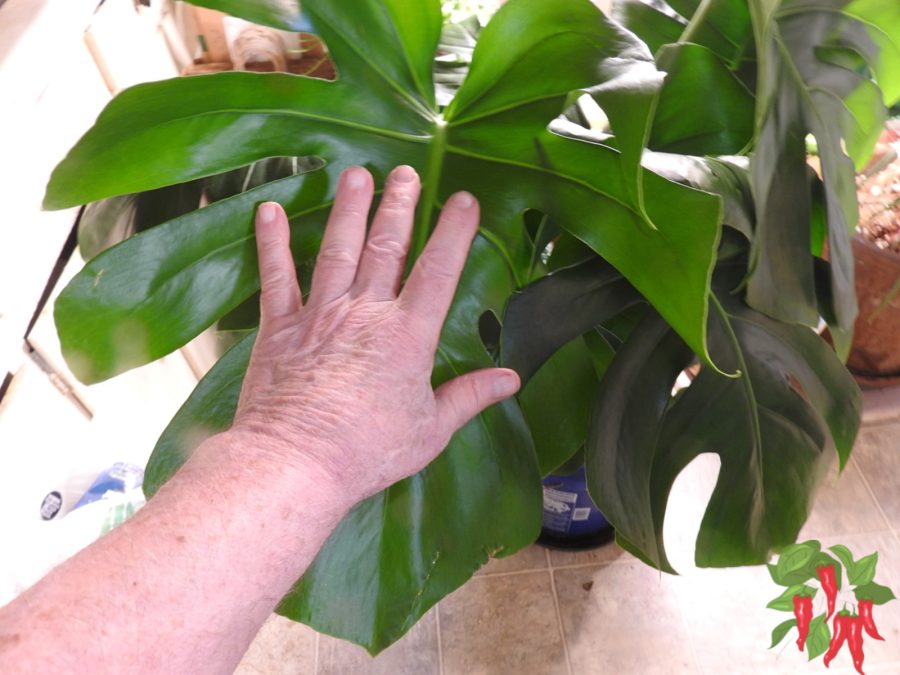
This is where fast-growing indoor plants really shine: they give you something to notice.
Instead of waiting months for a big transformation, you see steady changes — longer vines, new leaves, fuller growth, or fresh shoots.
To keep this beginner-friendly (and to avoid overlap with your edible-only posts), these picks are grouped by how the growth shows up, not by “difficulty” or lighting type.
⬇️ Trailing Plants (Fast, Noticeable Vines)
Trailing plants are some of the most satisfying fast growers because their progress is obvious. Vines extend, leaves pop in along the stem, and you can literally see week-to-week change.
- ⬇️ Growth moves downward instead of taking up floor space
- 👀 New length is easy to spot (even from across the room)
- 🌿 The plant looks “more alive” quickly as it fills out
These are great if you want that “oh wow, it’s actually growing” feeling early on.
🍃 Frequent Leaf Producers (New Leaves Show Up Regularly)
Some plants don’t grow fast in height, but they produce new leaves often — and that steady leaf cycle feels rewarding.
- 🍃 Visible progress without the plant getting huge
- 🌱 New leaves are a clear signal your plant is happy
- 🪴 The plant looks fuller over time instead of just taller
This type of “fast growth” is perfect for small spaces because it’s more about density and freshness than size.
🌱 Offset & Clump-Forming Plants (Babies = Instant Progress)
If you want visible growth without a plant taking over your room, offset makers are a great option.
These plants grow by producing pups, shoots, or small side plants that slowly fill in the base.
- 🌱 New “babies” are easy to spot
- 🪴 The plant becomes fuller without getting tall or wide fast
- 👀 Progress feels obvious even if growth is slow and steady
This is a beginner favorite because it feels like the plant is doing something all the time — even when height stays the same.
🌿 Fast-Regrowing Indoor Herbs (Leaf Progress You Can See)
Herbs can feel “fast-growing” indoors because you can see regrowth quickly after trimming.
This is different from harvest speed. It’s about visible leaf return — a cycle that makes beginners feel successful.
- ✂️ Trim → new growth appears
- 🌿 The plant stays active and responsive
- 👀 Progress is easy to notice in a short time window
If you like the idea of “I did something and the plant responded,” herbs are a fun way to get that feedback loop.
🧠 What to Pick If You Want the Fastest “I Can See It” Results
If your main goal is visible progress, pick one of these growth styles first:
- ⬇️ Trailing vines (most obvious week-to-week change)
- 🍃 Frequent leaf producers (steady new leaves)
- 🌱 Offset makers (new pups and clumps)
- 🌿 Herbs (fast regrowth after trimming)
You don’t need a huge plant to feel progress. You just need a plant that shows you it’s moving.
Up next: When fast growth becomes frustrating (leggy, messy, or overwhelming), a simple decision filter, FAQs, and a clean conclusion linking back to the pillar.
🚫 When Fast Growth Becomes Frustrating
Fast growth is motivating — until it isn’t.
Sometimes plants grow quickly for the wrong reasons, and that kind of growth can leave beginners confused or discouraged.
😬 Fast but Weak Growth (Leggy Plants)
One of the most common beginner frustrations is a plant that grows fast but looks… off.
- 😬 Long stems with big gaps between leaves
- 📉 Growth that looks stretched or floppy
- 🧠 “It’s growing, but it doesn’t look healthy”
This usually means the plant is reaching for better conditions. It’s growth — just not the kind you want.
🧱 Plants That Outgrow Their Space Too Quickly
Some fast growers are exciting at first, then suddenly feel overwhelming.
- 🧱 Vines taking over shelves or walls
- ↔️ Bushy plants spreading wider than expected
- 😵 Constant trimming just to keep things tidy
Fast growth is fun when it stays manageable. When it doesn’t, beginners often feel like they’ve “failed” — even though the plant is just being itself.
🧠 Misreading Fast Growth as Instant Success
Fast growth can trick you into thinking everything is perfect.
- 🧠 Growth doesn’t always equal long-term health
- ⏱️ Some plants slow naturally after an initial burst
- 😌 Slower growth later on is often normal
The goal isn’t nonstop speed — it’s steady, balanced progress that feels good to live with.
⚖️ A Simple Filter for Choosing Fast-Growing Indoor Plants
Before you pick a fast-growing plant, run it through this quick checklist:
- 👀 Will I see visible change within a few weeks?
- 🪴 Does the growth stay balanced, not stretched?
- 🏠 Will it still fit my space in a month or two?
- 😌 Will fast growth motivate me instead of stressing me out?
If the answer feels like “yes,” you’ve probably found a great momentum-building plant.
For a full decision guide that helps you match plants to your exact space and goals, this pillar ties everything together:
What to Grow: Best Plants for Your Indoor Space
💬 FAQs: Fast-Growing Indoor Plants
What is the fastest-growing indoor plant?
Trailing plants and frequent leaf producers tend to show the most visible growth indoors, especially through new leaves and vine extension.
Do fast-growing indoor plants need more light?
Often yes, but fast growth depends more on overall conditions than light alone. Even fast growers slow down if conditions change.
Is fast growth always a good sign?
Not always. Fast but weak or leggy growth can signal a mismatch between the plant and its environment.
Why is my plant growing fast but looking weak?
This usually happens when a plant stretches to reach better conditions, resulting in thin stems or spaced-out leaves.
Are fast-growing plants harder to care for?
Not necessarily. Many fast growers are beginner-friendly, but they may need more frequent attention to stay balanced.
🌼 Conclusion: Momentum Matters
Fast-growing indoor plants are powerful because they keep you engaged.
Seeing new leaves, longer vines, or fresh shoots reminds you that what you’re doing is working — and that feeling builds confidence.
Start with one plant that shows visible progress quickly. Pair it with a slower, steady plant, and you’ll get the best of both worlds.
If you want help choosing your next plant, head back to the main guide here:
What to Grow: Best Plants for Your Indoor Space

👋 About the Author
Steve is the creator of Indoor Gardening Essentials and a hands‑on indoor gardener with years of experience growing plants in small apartments, tight corners, and low‑light spaces.
He specializes in practical, beginner‑friendly setups—from kitchen herbs and windowsill succulents to self‑watering planters, terrariums, and simple hydroponic systems. Everything he teaches comes from real experimentation, not guesswork.
Steve documents his projects, successes, and occasional failures on his YouTube channel Small Farms Big Ideas , where he tests grow lights, soil mixes, watering routines, and small‑space gardening methods.
His goal is simple: help new indoor gardeners build confidence, avoid common mistakes, and grow healthy plants—no matter how small their space is.