
Best Soil or Potting Mix for Houseplants 🌿
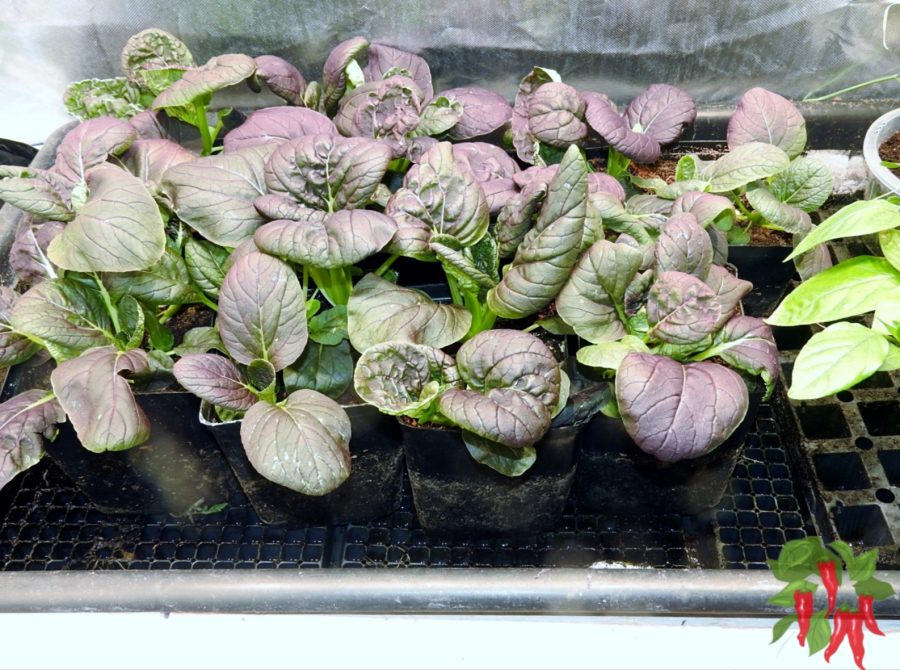
Discover how to choose or mix the best potting media for your indoor plants — and why a coco coir + perlite base could be your secret weapon.
🌟 What You’ll Learn
- 🌾 Why garden soil is too heavy for houseplants.
- 🥥 How coco coir + perlite create a fluffy, well-draining mix.
- 🌵 Which blends work best for tropicals, succulents, and leafy plants.
- 💧 Why drainage holes and airflow matter more than fancy pots.
- 🔁 How to refresh your mix and keep plants thriving for years.
1️⃣ What Is The Best Soil or Potting Mix for Houseplants?

If your houseplants are droopy, yellow, or constantly soggy 😩 — the real problem might be below the surface.
Your potting mix is the foundation of every healthy plant. Indoors, roots rely entirely on you for air, moisture, and stability. The right mix gives them all three!
In this guide, you’ll discover 🌿 what makes a potting mix “good,” 🪴 why garden soil isn’t suitable indoors, and 🌍 how coco coir + perlite create the ideal balance of moisture and airflow. Let’s dig in!
2️⃣ Why Regular Garden Soil Doesn’t Work Indoors 🚫
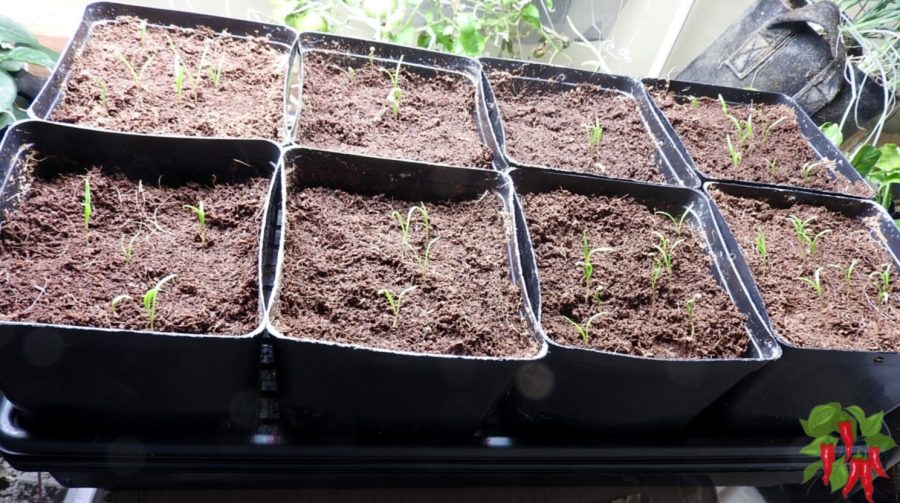
- 💨 Too dense: Roots can’t breathe when soil compacts inside pots.
- 🌊 Poor drainage: Water pools, leading to root rot and fungus gnats.
- 🐛 Uninvited guests: Outdoor soil can carry pests and diseases inside.
- 🎲 Inconsistent quality: Each shovel of garden dirt is different — not great for delicate houseplants!
🧠 University horticulture extensions consistently advise using soilless potting mixes indoors because they stay light, clean, and drain evenly.
3️⃣ What Makes a Good Potting Mix 🪴
- 💧 Moisture control: Holds some water but drains freely.
- 🌬️ Aeration: Keeps roots oxygenated and healthy.
- 🏋️ Lightweight: Easy to handle and prevents root compaction.
- 🧱 Stable structure: Won’t turn into mud or dust too quickly.
- ⚖️ Neutral pH: Works with most common houseplants.
- 🧼 Clean & pest-free: Sterile and consistent batch to batch.
4️⃣ Why Coco Coir + Perlite Rocks 🌴🌋
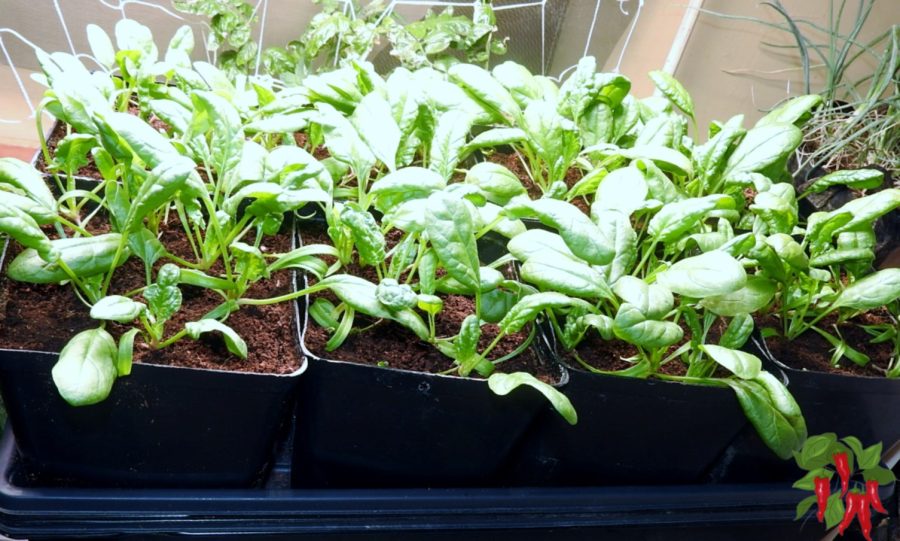
🥥 Coco Coir Benefits
- 🌿 Renewable and eco-friendly (made from coconut husks).
- 💧 Retains moisture beautifully without getting soggy.
- ⚖️ Neutral pH (around 5.8–6.8) — perfect for most plants.
- ♻️ Easy to rewet even after drying out — unlike peat moss.
👉 Coir does lack nutrients, so you’ll need to feed your plants regularly. Choose rinsed or buffered coir to avoid salt build-up.
🌋 Perlite Benefits
- 💨 Adds air pockets and stops compaction.
- 🌊 Improves drainage so roots never drown.
- 🪶 Inert and lightweight — your pots stay easy to move!
Together, they form a dream team 💪 — coco coir holds just enough water, and perlite keeps everything fluffy and breathable.
5️⃣ Ingredient Breakdown 🧪
✅ Best Ingredients
- 🥥 Coco coir – moisture retention + sustainability
- 🌋 Perlite – aeration and drainage
- 🌲 Orchid bark / pine bark – chunky airflow for aroids
- 🪨 Pumice / coarse sand – extra drainage for succulents
- 🪱 Worm castings – mild nutrient boost
- 🔥 Charcoal (optional) – freshness + odor control
🚫 Avoid These
- 🪨 Heavy garden soil – compacts and suffocates roots.
- 🥀 Dense peat-only mixes – turn soggy, then hard to rewet.
- ❓ Unlabeled mixes – you need to know what’s inside!
✨ Simple ratios for success:
- 🌼 General houseplants: 1 part coco coir + 1 part perlite + 1 part compost
- 🌴 Tropical aroids: 2 parts coco coir + 1 part bark + 1 part perlite + worm castings
- 🌵 Succulents/cacti: 1 part coco coir + 2 parts sand/pumice + 1 part perlite
6️⃣ DIY Recipes & Repotting Tips 🧑🌾
Mixing your own potting blend feels like crafting magic! 🪄 Follow these easy recipes below:
🌿 Recipe A – Everyday Indoor Mix
1 part coco coir + 1 part perlite + 1 part compost/leaf mold.
🌴 Recipe B – Aroid Heaven
2 parts coco coir + 1 part bark + 1 part perlite + dash of worm castings.
🌵 Recipe C – Desert Blend
1 part coco coir + 2 parts coarse sand/pumice + 1 part perlite.
🪣 Pro tip: Always use a pot with drainage holes. No mix, no matter how fancy, can save a plant in a sealed pot.
7️⃣ Common Mistakes 🚧
- ❌ Using pots with no drainage.
- ❌ Packing the mix too tightly.
- 💦 Overwatering or watering on a schedule instead of checking moisture.
- 🌫️ Letting peat-heavy mixes dry and repel water.
- 🥬 Never feeding plants in nutrient-poor coir mixes.
- 🕰️ Forgetting to refresh mix every year or so.
8️⃣ Choosing a Store-Bought Mix 🏪
- 🕵️ Read the label — look for “coco coir,” “perlite,” “peat-free,” or “indoor mix.”
- 🌿 Match your plant type — tropical, succulent, orchid, etc.
- ♻️ Choose sustainable peat-free options if possible.
- 📦 Buy smaller bags to keep media fresh.
- 🔒 Store leftovers sealed to avoid fungus gnats.
9️⃣ Best Soil or Potting Mix FAQs 🤔🌱
💭 Can I use coco coir alone?
Only if you add perlite or bark — pure coir holds too much water.
😷 Is perlite safe?
Yes! Just rinse it first to reduce dust.
🌎 Are peat mixes bad?
Not evil, but less sustainable and harder to rewet when dry.
🌧️ Why does my soil stay soggy?
Too fine a mix or no drainage holes — repot with more perlite.
🔁 How often should I refresh soil?
Every 12–18 months or if it smells sour or drains poorly.
🍽️ Do I need fertilizer?
Yes — coir and perlite are low-nutrient. Feed monthly in growing season.
🌵 Can succulents use tropical soil?
Nope. They like gritty, sandy mixes that dry fast.
⚖️ Do I need to check pH?
Not usually — coco coir sits right in the ideal range.
🔟 Best Soil or Potting Mix Conclusion 🌟
Your houseplants will love you when you give their roots what they crave: oxygen, drainage, and balanced moisture. 🪴
Coco coir + perlite delivers all three — sustainably, simply, and beautifully.
Add bark for chunkiness or sand for drainage, and you’ll have a mix tailored to your plant family. 🌿
So grab your trowel, mix up a batch, and repot with confidence. Your plants will reward you with lush leaves, vibrant color, and new growth. 💚
👉 Plant Care Made Easy: Grow Happy Indoor Plants
📚 References & Further Reading
- 🌱 University of Maryland Extension – Potting and Repotting Indoor Plants
- 🪴 Clemson HGIC – Indoor Plants: Soil Mixes
- 🥥 UF/IFAS Extension – Homemade Potting Mix
- 🌿 Penn State Extension – Homemade Potting Media
- 🌼 University of Illinois Extension – Houseplants: Get Started
- 🌻 Iowa State Extension – How to Care for Houseplants

👋 About the Author
Steve is the creator of Indoor Gardening Essentials and a hands‑on indoor gardener with years of experience growing plants in small apartments, tight corners, and low‑light spaces.
He specializes in practical, beginner‑friendly setups—from kitchen herbs and windowsill succulents to self‑watering planters, terrariums, and simple hydroponic systems. Everything he teaches comes from real experimentation, not guesswork.
Steve documents his projects, successes, and occasional failures on his YouTube channel Small Farms Big Ideas , where he tests grow lights, soil mixes, watering routines, and small‑space gardening methods.
His goal is simple: help new indoor gardeners build confidence, avoid common mistakes, and grow healthy plants—no matter how small their space is.