
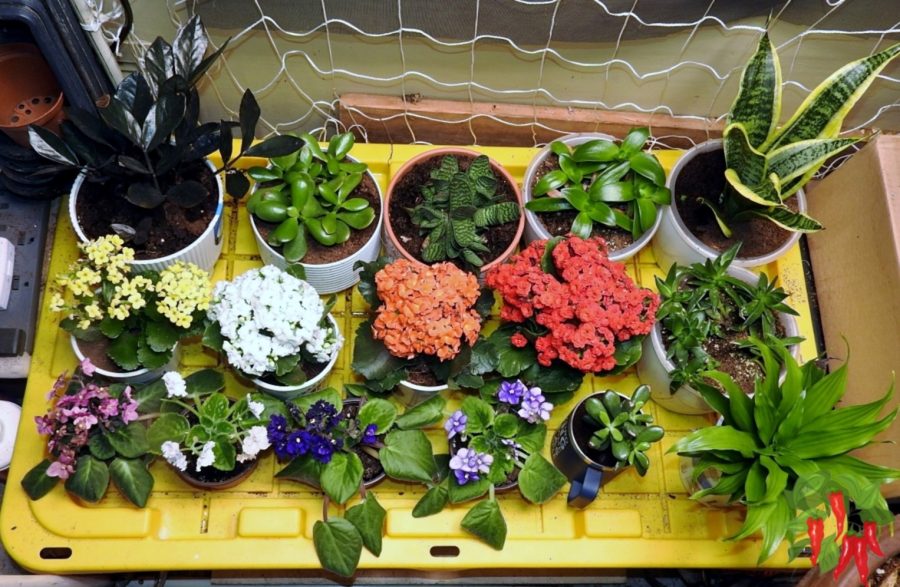
Apartment living is awesome… until you bring home a plant that grows like it’s trying to take over the lease. 😅
The truth is, most “indoor plants” can survive indoors, but not all of them fit indoors — especially when you’re working with limited floor space, narrow walkways, and the reality of shelves, corners, and furniture.
This guide is all about choosing plants that stay manageable, look balanced, and don’t slowly overwhelm your space over time. Find the best indoor plants for apartments and small spaces
If you want the full “choose the right plant for your home” overview (including herbs and easy edible options), start here:
What to Grow: Best Plants for Your Indoor Space
✨ What You’ll Learn
- 🏠 What makes a plant truly apartment-friendly (beyond “small at the store”)
- 📏 Why growth habit matters more than pot size in tight spaces
- 🪴 Which plant traits stay balanced indoors long-term
- 🚫 The plant behaviors that tend to overwhelm small spaces
🧠 Start Here: What Makes a Plant Apartment-Friendly?
When you’re choosing plants for an apartment, the #1 thing to think about isn’t “What’s popular?” or even “What’s easy?”
It’s this:
How does this plant behave over time in a small indoor space?
A plant can be healthy and still be a terrible fit if it spreads sideways into your walking path, drops leaves constantly, or turns into a huge visual blob that makes the room feel crowded.
📏 Growth Habit Matters More Than Starting Size
A lot of plants are sold young and compact. That doesn’t mean they’ll stay that way.
In apartments, these growth habits tend to work best:
- ⬆️ Upright growth: stays vertical instead of spreading outward
- ⬇️ Trailing growth: drapes down rather than taking up floor space
- 🐢 Slow growth: predictable and easy to manage long-term
- 🌿 Light canopy: doesn’t visually dominate the room
Meanwhile, these habits can make a small space feel cramped fast:
- ↔️ Wide, bushy spread that needs “elbow room”
- 🚀 Fast growth that changes the plant every few weeks
- 🧱 Dense foliage that feels heavy and cluttered indoors
This is why two plants the same height can feel completely different in a small room. One stays tidy. The other takes over visually.
Start With Easy Apartment-Friendly Plants
🌱 Predictable Growth = Less Stress
In apartments, predictable plants are your best friend.
Not because you’re trying to avoid growth (growth is the fun part) — but because surprise growth is what turns a calm corner into a plant traffic jam.
Apartment-friendly plants tend to grow in a steady, manageable way:
- 📆 They change slowly, so your space stays consistent
- 🪴 They keep the same general shape as they mature
- 🧠 They’re easier to “read” — you can tell what they need without constant guessing
Fast growers can still work indoors, but they’re better as a second or third plant — not the one you’re depending on to stay balanced in a tight space.
🏠 Think “Visual Footprint,” Not Just Floor Space
Here’s a simple mindset shift that helps a lot:
In small spaces, plants take up “visual space” as much as physical space.
A plant might only sit in one corner, but if it has huge leaves, heavy foliage, or a wide canopy, it can make the whole room feel busier.
Apartment-friendly plants usually have at least one of these traits:
- 🌿 Smaller leaves (lighter look)
- 🪴 A clean silhouette (not a tangled shape)
- 📏 A narrow spread (doesn’t widen quickly)
- ✨ An “airy” canopy (you can see through it a bit)
When you pick plants with a lighter visual footprint, you can grow more without your apartment feeling like a jungle exploded. (Unless that’s the goal — no judgment.)
Up next: Specific indoor plants that naturally fit apartments and small spaces — grouped by growth behavior (upright, slow-growing, trailing, and light-canopy picks).
🌱 Indoor Plants That Naturally Fit Apartments and Small Spaces
This section isn’t about what’s “easy” or “low light.” It’s about how plants behave over time once they’re living in a smaller home.
The plants that work best in apartments tend to share a few predictable traits — they stay contained, grow at a manageable pace, and don’t visually overwhelm a room.
⬆️ Upright Plants That Stay Contained
Upright plants are apartment-friendly because they grow vertically instead of spreading sideways.
They’re great when floor space is limited, and they tend to keep a clean, sculptural shape as they mature.
- ⬆️ Grow straight up instead of outward
- 📐 Keep a narrow footprint over time
- 🪴 Hold their shape without constant pruning
These plants work well in corners or along walls because they don’t slowly creep into walkways or furniture zones.
🐢 Slow-Growing Plants That Don’t Rush the Space
In apartments, slow growth is a feature — not a downside.
Plants that take their time are easier to live with long-term because they don’t force constant adjustments or surprise size changes.
- 🐢 Size changes happen gradually
- 📆 The plant looks similar month to month
- 🧘 Less pressure to “manage” the plant
Slow growers are especially good if you like a calm, predictable space where plants blend in instead of demanding attention.
🌵 Succulents: Naturally Small, If the Light Is Right
Many succulents are naturally well-suited to apartments because they stay compact, grow slowly, and keep a tidy shape over time.
Unlike plants that spread outward or climb aggressively, most succulents grow in place, getting fuller rather than wider, which helps them stay visually balanced in small rooms.
- 📏 Compact growth that rarely overruns nearby space
- 🐢 Slow, predictable size changes
- 🪴 Clean shapes that don’t feel cluttered indoors
The key requirement is light. Succulents do best in bright spots where they can hold their shape and color. When that need is met, they’re some of the easiest plants to live with in apartments.
For apartment growers with sunny windows, succulents can be a low-stress way to add greenery without sacrificing space.
Use Your Light Better in Small Spaces
⬇️ Trailing Plants That Use Space Gently
Trailing plants work well in apartments because they move down, not out.
Instead of filling a room horizontally, they soften edges and add movement without taking over.
- ⬇️ Growth flows downward instead of sideways
- 🌿 Visual movement without bulk
- ✨ Feels lighter than bushy plants
Trailing plants are especially useful when you want greenery that feels present but not heavy.
🍃 Plants With a Light Visual Canopy
Some plants aren’t physically large, but they still feel overwhelming because of leaf size and density.
Apartment-friendly plants often have a lighter visual canopy:
- 🍃 Smaller or narrower leaves
- 🌬️ Airy growth you can see through
- 🪴 A balanced, uncluttered look
These plants make it easier to enjoy greenery without the room feeling crowded or visually busy.
🧠 Why These Traits Matter More Than Plant Labels
You’ll often see plants labeled as “compact” or “great for apartments,” but those labels usually describe how the plant looks when it’s sold — not how it behaves over time.
By focusing on growth direction, speed, and visual footprint instead, you can choose plants that actually stay comfortable in a small space.
That’s the difference between a plant that quietly fits your apartment… and one that slowly takes it over.
Up next: plants and growth habits that commonly overwhelm apartments, a simple decision filter, FAQs, and a clear takeaway for choosing the right plant.
🚫 Plants and Growth Habits That Often Overwhelm Apartments
Some plants struggle indoors because of light or care. Others grow just fine — but end up overwhelming small spaces.
These issues aren’t always obvious at first. Many problem plants start out compact and attractive, then slowly become too wide, too heavy, or too demanding for apartment living.
📏 Fast Spreaders That Outgrow Rooms Quickly
Plants that spread horizontally or produce lots of side growth can feel cramped fast in apartments.
- ↔️ Wide, bushy growth that needs constant space
- 🚀 Rapid size changes that disrupt your layout
- 🧱 Plants that push into walkways or furniture zones
These plants aren’t “bad” — they’re just better suited to rooms where space isn’t a limiting factor.
🌿 Plants That Become Visually Heavy Indoors
Even when a plant fits physically, it can still dominate a room visually.
- 🍃 Very large leaves that draw all the attention
- 🪴 Dense foliage that blocks sightlines
- 🧠 A “crowded” feeling even with just one plant
In apartments, lighter-looking plants often feel calmer and easier to live with long-term.
🧾 When “Compact” Labels Can Be Misleading
Nursery tags often describe how a plant looks at the time of sale — not how it behaves after months or years indoors.
A plant labeled “compact” may still:
- 📏 Grow much wider than expected
- 🚀 Accelerate growth once established
- 🔄 Require frequent reshaping to stay balanced
Looking past labels and focusing on growth behavior leads to better apartment-friendly choices.
⚖️ A Simple Filter for Choosing Apartment-Friendly Plants
Before bringing a plant home, run it through this quick mental checklist:
- 📏 Does it grow mostly up or mostly out?
- 🐢 Does it grow slowly or aggressively?
- 🍃 Does it have a light or heavy visual canopy?
- 🏠 Will it still feel balanced here in a year?
If the answers lean toward contained, predictable, and visually light — you’re probably making a good choice.
For a full decision walkthrough that includes herbs and edible options, this guide ties everything together:
What to Grow: Best Plants for Your Indoor Space
💬 FAQs: Best Indoor Plants for Apartments and Small Spaces
What makes a plant good for apartment living?
Apartment-friendly plants grow at a manageable pace, stay contained, and have a visual size that matches the space they’re in.
Do apartment plants need to stay small forever?
No. The goal isn’t tiny plants — it’s predictable growth that doesn’t overwhelm the space over time.
Are trailing plants better than bushy plants indoors?
Often, yes. Trailing plants tend to use vertical space more gently, while bushy plants can spread into walkways and furniture areas.
Can large plants ever work in apartments?
They can, but they require more planning and space. Many beginners find medium-sized, visually light plants easier to live with.
How many plants is too many in a small apartment?
There’s no fixed number. If your plants start making the space feel crowded or stressful, it’s a sign to scale back or choose lighter-growth options.
🌼 Conclusion: Choose Plants That Respect Your Space
Apartment living doesn’t mean fewer plants — it means better-matched plants.
When you choose plants with predictable growth, lighter visual weight, and contained habits, your space stays calm and enjoyable instead of crowded.
Start with one plant that fits your apartment today. Once that feels easy, you can always add more.
If you want help choosing your next plant, return to the main guide here:
What to Grow: Best Plants for Your Indoor Space
Keep Building Your Small-Space Plant Setup
📚 Optional: Learn More from University Extension Guides
- University of Minnesota Extension – Houseplants
- University of Illinois Extension – Houseplants
- Penn State Extension – Caring for Houseplants

👋 About the Author
Steve is the creator of Indoor Gardening Essentials and a hands‑on indoor gardener with years of experience growing plants in small apartments, tight corners, and low‑light spaces.
He specializes in practical, beginner‑friendly setups—from kitchen herbs and windowsill succulents to self‑watering planters, terrariums, and simple hydroponic systems. Everything he teaches comes from real experimentation, not guesswork.
Steve documents his projects, successes, and occasional failures on his YouTube channel Small Farms Big Ideas , where he tests grow lights, soil mixes, watering routines, and small‑space gardening methods.
His goal is simple: help new indoor gardeners build confidence, avoid common mistakes, and grow healthy plants—no matter how small their space is.