
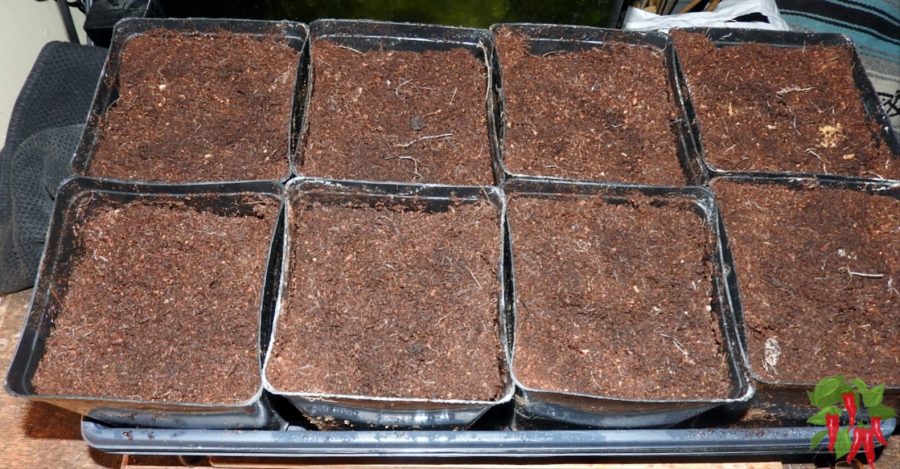
If you’ve ever planted something in a pot and wondered why it didn’t grow the way you hoped, the answer is almost always the soil.
When you’re growing in containers, the mix you choose plays a huge role in how happy your plants will be.
In this guide, you’ll learn how to pick the Best Soil Mixes for Containers, why coco coir makes things easier for beginners, and how to build a blend that keeps your plants thriving with less stress on your end.
Let’s get your containers growing like champs.
What You’ll Learn 🌱
- How to choose the Best Soil Mixes for Containers so your plants grow stronger with less effort.
- Why coco coir outperforms peat for most indoor and container setups — especially for beginners.
- The exact ingredients and steps to build an easy, beginner-friendly DIY soil mix.
- How to spot (and avoid!) the most common soil mistakes that lead to poor plant growth.
- When a ready-made mix makes sense — and how to upgrade it for even better results.
- Answers to the most common container-soil questions new growers ask.
Best Soil Mixes for Containers – Step-by-Step Beginner Guide 🌿
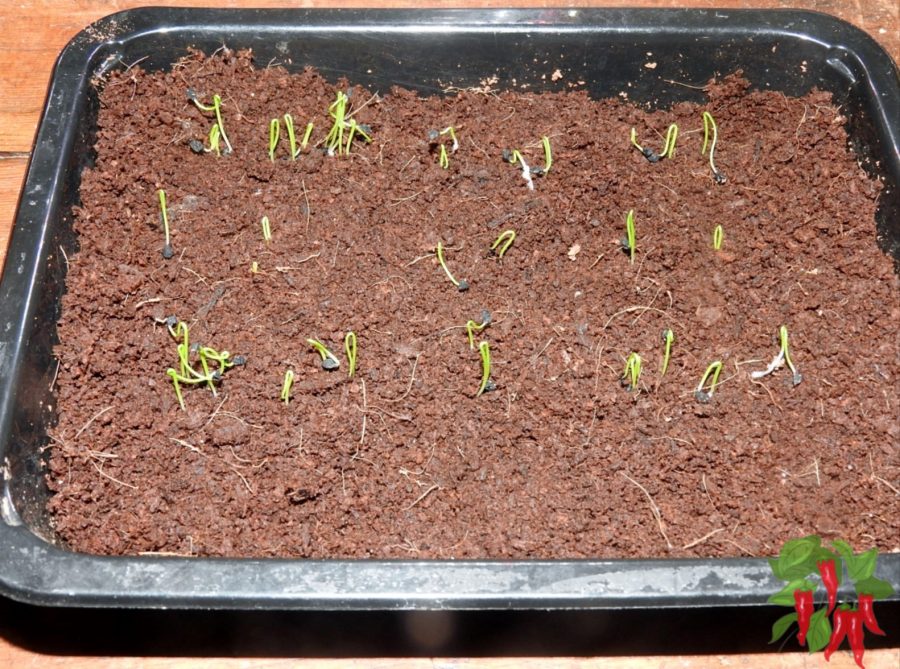
Find the perfect potting mix to keep your container plants healthy and thriving indoors or out. Use the right soil blend to help your plants grow faster and stay lush all season long.
Intro: Why the Right Soil Mix Matters 🌼
Hey there, indoor gardener! If you’ve ever planted something in a container only to watch it droop, wilt, or just “meh” along… trust me, you’re not alone. I’ve been there too.
One of my first balcony basil plants looked great for about a week — then the soil compacted, water ran straight through, and the poor thing limped along like it owed me money.
The problem wasn’t the plant — it was the soil mix. Container plants rely completely on you for structure, nutrients, airflow, and moisture balance. A good mix makes plant care easy. A bad one makes everything harder than it should be.
In this guide, you’ll discover why coco coir beats peat-heavy mixes for most containers, what to look for in a soil blend, how to make your own DIY mix, the biggest beginner mistakes to avoid, and answers to the questions every new indoor gardener asks.
Related Container Gardening Guides
Basics: What Are Container Soil Mixes and How Are They Different? 🪴
A container mix isn’t just “soil in a bag.” Think of it as your plant’s entire world. Because pots limit root space, the mix must supply the perfect combo of air, moisture, nutrients, and structure.
- Garden soil is too heavy and compacts easily.
- Container mixes are lightweight and airy.
- They drain well but still hold enough water for healthy growth.
- They’re usually “soilless” — containing ingredients like coco coir, perlite, bark, vermiculite, or compost.
Good soil is the #1 predictor of success in pots — indoors or out. Without it, even the toughest plants struggle.
Why Choose Coco Coir Over Peat-Based Mixes 🥥
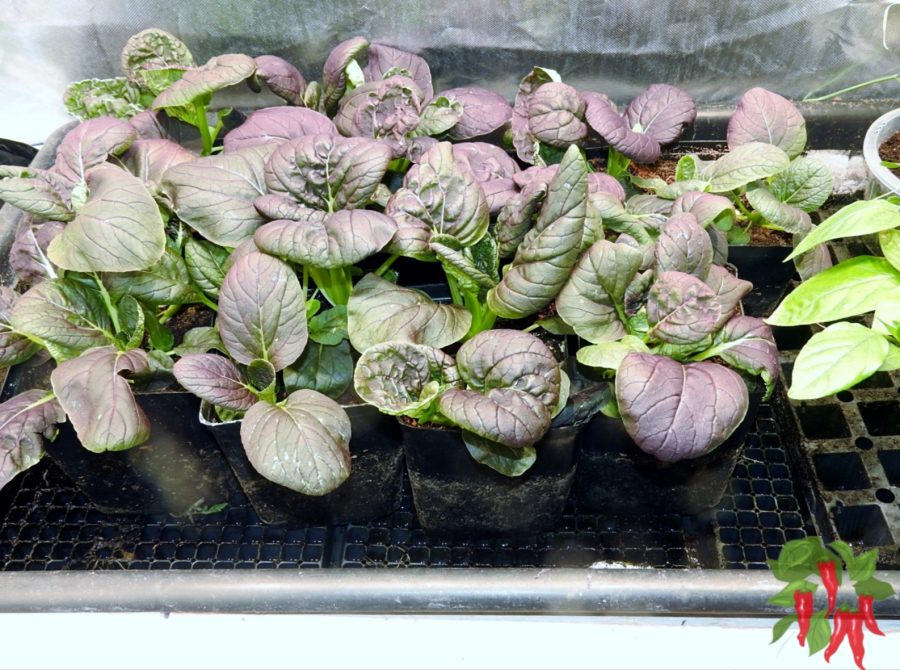
Coco coir is a fibrous material made from coconut husks, and it’s become a superstar in container gardening. Here’s why beginners love it:
- Holds moisture but doesn’t get soggy — perfect for houseplants and edibles.
- Boosts drainage & aeration — roots stay happy and oxygenated.
- Resists compaction — no more hard-as-a-brick potting soil.
- Neutral pH — easy to work with for most plants.
- Eco-friendly — made from a renewable by-product instead of peat bogs.
🌟 Quick note: Coco coir is low in nutrients — so you’ll need compost, worm castings, or fertilizer to complete the mix.
More Coco Coir & Soil Guides
What to Look For in a Good Container Soil Mix 👀
Here are the must-have qualities of a great container mix:
- Great aeration — happy roots need to breathe.
- Moisture management — holds water but drains fast.
- Lightweight structure — especially important for shelves & balconies.
- Nutrient-holding ability — organic matter helps a ton.
- Sustainability — peat-free or peat-light when possible.
And the red flags to avoid:
- Heavy “garden soil” mixes
- Bags that feel muddy or dense
- No ingredient list (always suspicious!)
- Pots without drainage holes
DIY Mix Step-by-Step Using Coco Coir 🛠️
Ingredients
- 2 parts coco coir
- 1 part compost
- 1 part perlite or pumice
- Worm castings (¼ part, optional but awesome)
- Slow-release fertilizer (optional)
Step-by-Step Instructions
- Soak and fluff your coco coir until it’s light and airy.
- Mix in compost and perlite until fully combined.
- Add worm castings for gentle nutrients.
- Fill your pot ⅔ full, set your plant, and backfill.
- Don’t pack it down — keep it fluffy for airflow.
- Water deeply until water drains from the bottom.
How Often Should You Water Indoor Plants?
Indoor Grower Tips 🌞
- Use a saucer to catch drainage indoors.
- Check moisture faster in winter — indoor air dries soil quickly.
- Use smaller pots for herbs and compact veggies.
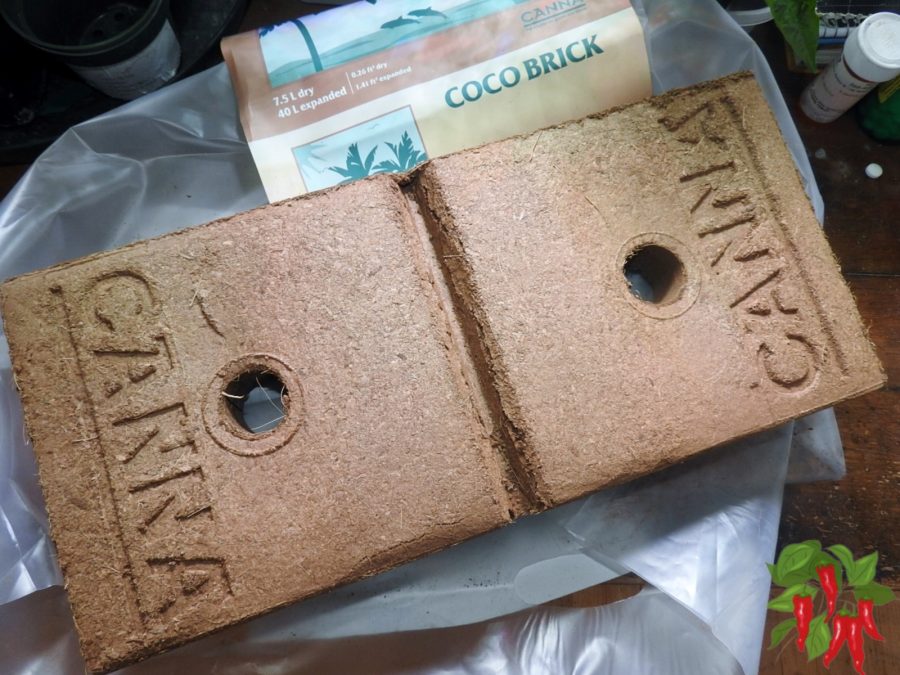
🌟 Coco coir is available loose or as bricks. I like bricks because they are easier to store and dont have fungus gnats. Make sure you use a reputable brand like Canna, which is low in salt.
More Container Setup Guides
Ready-Made Mix Options 🛍️
If DIY isn’t your thing today, here’s what to look for in store-bought mixes:
- “Coco coir-based” or “peat-free” labels
- Extra perlite for aeration
- Organic compost for nutrients
Even good mixes often benefit from adding a little more perlite or compost — tailor it to your plants.
Common Beginner Mistakes (and Easy Fixes) ⚠️
- ❌ Using heavy garden soil → Fix: switch to soilless mixes.
- ❌ Overwatering → Fix: check deeper moisture, not just surface dryness.
- ❌ Not enough aeration → Fix: add more perlite or pumice.
- ❌ Forgetting to feed coco coir mixes → Fix: add compost or fertilizer. How Often Should I Fertilize My Indoor Plants?
- ❌ No drainage holes → Fix: always drill or pick pots with holes.
- ❌ Reusing soil without refreshing → Fix: add compost and perlite each season.
Plant Care Troubleshooting Guides
Best Soil Mixes for Containers FAQ
What is the difference between potting mix and container mix?
Potting mix is a general store-bought blend, while container mix is designed for ideal drainage and root health inside pots.
Can I use coco coir alone for my container plants?
You can, but it lacks nutrients — mix it with compost and perlite for best results.
How often should I water container plants in a coco coir mix?
Check the top inch. Coco coir drains well, so you may water a bit more regularly than peat mixes.
Does coco coir provide nutrients?
Not much — treat it as structure, not food. Add compost or fertilizer.
Is coco coir better than peat moss?
For most indoor gardeners — yes. It’s sustainable, airy, and beginner-friendly.
When should I replace my soil mix?
If it compacts, drains poorly, or plants suddenly struggle — refresh it.
Can I reuse container soil?
Yes, but mix in fresh compost and perlite each season.
Do plants grow slower in soilless mixes?
Not at all — many grow faster thanks to better aeration.
What’s the best mix ratio for edible plants?
Try 2 parts coco coir, 1 part compost, 1 part perlite.
Do any plants dislike coco coir?
Most love it. Acid-demanding plants may need tweaks.
Conclusion & Next Steps 🌟

Now you’re ready to build or choose the perfect soil mix for your containers — indoors or outdoors.
With coco coir as your base, you’ll enjoy better airflow, easier watering, and stronger growth.
- Grab a block of coco coir
- Mix in compost + perlite
- Plant something you love
- Watch it thrive!
Container gardening doesn’t have to be complicated — and now that your soil mix is dialed in, you’re already ahead of the game. Keep it green! 🌿🤠
👉 Containers and Systems Ideas for Small Gardens: Sure Fire Tips
Build Better Container Gardening Skills
Explore more beginner-friendly growing help in our Containers and Systems, Plant Care, and Indoor Gardening Basics categories.
References 📚
- Oklahoma State University Extension – Soilless Growing Mediums (includes coconut coir)
- University of Arkansas Cooperative Extension – Growing Media for Container Production (coconut coir section)
- University of Maryland Extension – Growing Media (Potting Soil) for Containers
- Texas A&M AgriLife Extension – Media, Repotting & Containers
- University of Minnesota Extension – Starting Your Garden and Containers Off Right
- North Carolina State University – Coir as a Component of Growing Media (PDF)

👋 About the Author
Steve is the creator of Indoor Gardening Essentials and a hands‑on indoor gardener with years of experience growing plants in small apartments, tight corners, and low‑light spaces.
He specializes in practical, beginner‑friendly setups—from kitchen herbs and windowsill succulents to self‑watering planters, terrariums, and simple hydroponic systems. Everything he teaches comes from real experimentation, not guesswork.
Steve documents his projects, successes, and occasional failures on his YouTube channel Small Farms Big Ideas , where he tests grow lights, soil mixes, watering routines, and small‑space gardening methods.
His goal is simple: help new indoor gardeners build confidence, avoid common mistakes, and grow healthy plants—no matter how small their space is.