
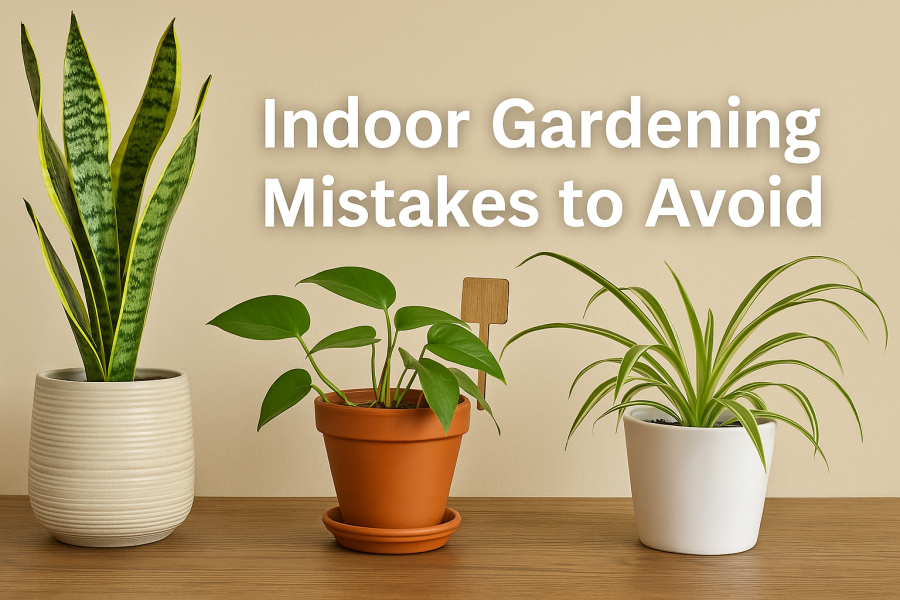
Indoor gardening can be incredibly rewarding 🌿 — but even the most enthusiastic beginners make a few missteps along the way.
In this guide on Indoor Gardening Mistakes to Avoid, you’ll discover how to sidestep the most common pitfalls that cause plants to struggle indoors.
From watering habits to choosing the right spot, you’ll learn how to build a thriving, low-stress indoor garden that actually grows greener with time. 🌱
What You’ll Learn 🌱
💧 Why watering and drainage problems cause so many beginner plant failures
🪴 How soil and pot choices affect root health and growth
🌿 Why choosing plants that match your home makes everything easier
🌬️ How humidity, airflow, and temperature quietly impact plant health
🧠 Why patience and simple routines are the real secret to indoor gardening success
Beginner Indoor Gardening Mistakes to Avoid
🌿 Why Indoor Gardening Is So Rewarding
Have you ever dreamed of filling your home with lush greenery, fresh herbs, or even a few home-grown veggies year-round? 🌱 Indoor gardening makes that possible — it’s:
- Relaxing: caring for plants reduces stress and boosts mood.
- Rewarding: few things feel better than seeing new growth or blooms you nurtured yourself.
- Decor-enhancing: plants instantly bring warmth and life to any room.
In short, it’s like having a tiny slice of nature right inside your home. 🍃
But… Mistakes Happen (and That’s Okay!)
Even the most enthusiastic beginners run into trouble sometimes. From overwatering to not enough light, small missteps can quickly lead to:
- Droopy or yellowing leaves 🌿
- Stunted growth or leggy stems 🌱
- Soil that stays soggy or too dry 💧
Don’t worry — we’ve all been there! Every plant owner learns by trial and error.
What You’ll Learn in This Guide
In this beginner-friendly guide on Indoor Gardening Mistakes to Avoid, you’ll discover how to sidestep the most common pitfalls new growers face. We’ll cover:
- 🏡 Location & Light: finding the best spots for your plants
- 💧 Watering & Drainage: avoiding soggy soil and root rot
- 🪴 Soil & Containers: choosing mixes and pots that breathe
- 🌼 Plant Choice: matching plants to your home and skill level
- 🌬️ Environment: balancing temperature, humidity, and airflow
- 🔍 Maintenance: easy routines to keep plants healthy
- 🧘 Mindset: being patient and realistic as your garden grows
Your Takeaway 🌱
By the end, you’ll not only know what not to do — you’ll feel confident creating a thriving indoor garden you’ll be proud to show off.
Get ready to grow greener, happier, and more confident with every leaf! 🌿✨
☀️ Mistake #1: Ignoring Your Space & Light Conditions
Why Light Matters Indoors
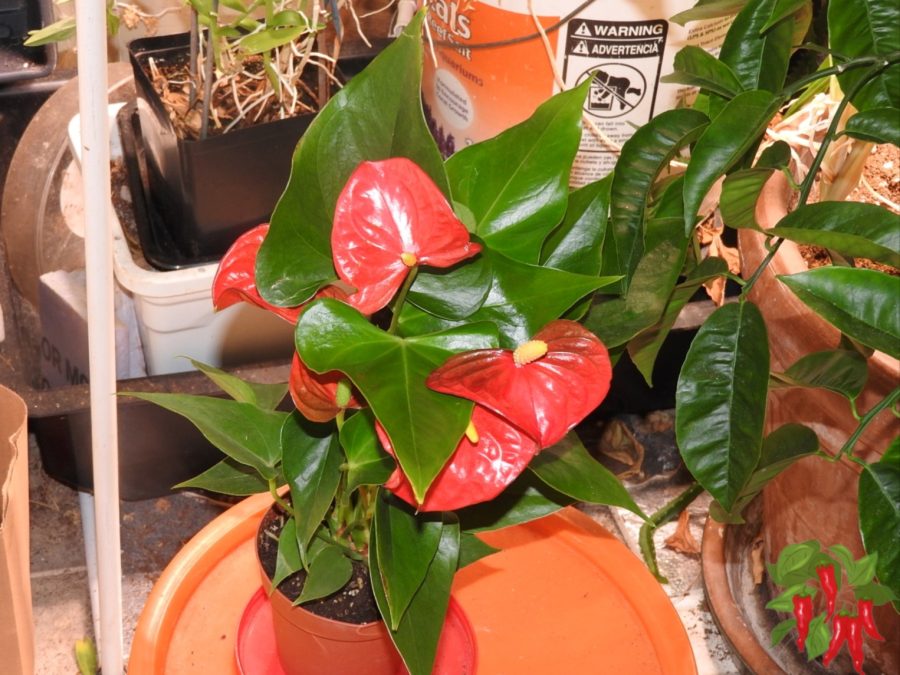
Light is the single most important ingredient for healthy indoor plants — yet it’s the one beginners often misunderstand. 🌞
Without enough light, plants can’t photosynthesize properly, leading to weak, pale, or “leggy” growth.
Too much direct sunlight, however, can scorch delicate leaves.
Common Light Mistakes
- 🪟 Placing plants too far from windows or behind thick curtains
- 🌫️ Assuming all “bright rooms” have enough usable light
- ❄️ Ignoring seasonal changes that reduce sunlight in winter
- 💡 Forgetting that north-facing windows often get low light levels
How to Check Your Light Level
Try the simple hand-shadow test — it’s an easy way to gauge brightness without any tools:
- 🌤️ Bright light: Sharp, defined shadow — great for succulents, citrus, or herbs.
- 🌥️ Medium light: Blurry, soft shadow — ideal for pothos, peace lily, or ferns.
- 🌫️ Low light: Barely visible shadow — best for snake plants or ZZ plants.
Tips to Improve Light Indoors
- ✨ Move plants closer to a sunny window — ideally within 3 feet.
- 💡 Use full-spectrum LED grow lights for darker rooms or winter months.
- 🔄 Rotate pots every couple of weeks so all sides receive light evenly.
- 🧼 Keep leaves dust-free — clean leaves absorb more light!
Quick Recap 🌿
- Observe your home’s natural light throughout the day.
- Group plants by light needs to make care easier.
- Don’t worry if you have limited sunlight — grow lights make miracles happen!
When you understand your space’s lighting, every plant you add has a better chance to thrive. 🌱
Learn Indoor Lighting the Easy Way
💧 Mistake #2: Overwatering or Poor Drainage
Why Water Can Be Tricky
Most new indoor gardeners kill plants with kindness — specifically, too much water! 💦
It’s natural to think watering equals love, but roots need both moisture and oxygen to survive.
When soil stays soggy, roots suffocate and rot, leading to wilted leaves and mushy stems.
Common Overwatering Mistakes
- 🚫 Watering on a fixed schedule instead of checking the soil
- 🪴 Using pots with no drainage holes
- 🌊 Leaving water sitting in saucers or cachepots
- 🧱 Using dense garden soil that traps too much moisture
- 📅 Forgetting that watering needs change with the seasons
Simple Ways to Prevent Overwatering
- 👆 Check before you water: Stick your finger one inch into the soil. If it feels dry, it’s time; if it’s damp, wait.
- 💦 Use well-draining soil: A blend of potting mix, coco coir, and perlite works great for most houseplants.
- 🪟 Water thoroughly, then drain: Let water flow out of the pot’s drainage holes — never let roots sit in water.
- 🌬️ Empty saucers: After watering, dump any standing water to prevent soggy soil.
How to Spot Overwatering Early
- 💛 Yellowing or limp leaves
- 🦠 Mold or algae on soil surface
- 🥀 Wilting even though soil feels wet
- 🫧 Musty or sour smell from the pot
Bonus Tip: Better Drainage = Happier Roots
- ✅ Always use pots with drainage holes.
- 🪵 Add a small layer of perlite, pebbles, or mesh at the bottom of pots.
- ♻️ Consider self-watering planters — they reduce guesswork and provide steady moisture.
Quick Recap 🌿
- Water only when the top inch of soil is dry.
- Ensure your pots drain freely.
- When in doubt, underwater slightly — most houseplants prefer a dry break to soggy roots!
Mastering watering habits is the fastest way to go from beginner to confident plant parent. 💚
Fix Watering Mistakes Before They Hurt Your Plants
🪴 Mistake #3: Using the Wrong Soil or Container
Why Soil and Pots Matter
Soil is more than just “dirt” — it’s your plant’s home! 🏡
The right soil mix provides roots with air, moisture, and nutrients. The wrong one? It can smother roots, trap too much water, or starve them of oxygen.
Similarly, the pot you choose affects how well your plant breathes and drains.
Common Soil & Potting Mistakes
- 🌧️ Using heavy garden soil instead of a light indoor potting mix
- 🚫 Choosing pots with no drainage holes
- 🪵 Using decorative cachepots without checking water buildup
- 📏 Picking oversized pots that hold too much wet soil
- 🧱 Reusing old, compacted soil without refreshing nutrients
Best Practices for Healthy Roots
- 🌿 Choose a well-draining mix: Indoor potting mix or a blend of coco coir, perlite, and peat-free compost keeps roots healthy.
- 🪴 Use pots with drainage holes: Always let excess water escape to prevent root rot.
- 📏 Right-size your pot: Go only 1–2 inches wider than the current root ball — too big means water sits unused.
- 🧼 Clean your containers: Wash old pots with warm soapy water to remove salt buildup or pests before reusing.
Pro Tip: Coco Coir Beats Peat for Beginners
🥥 Coco coir is an eco-friendly alternative to peat moss — it’s renewable, drains well, and naturally resists compaction. Mix it with perlite for a light, fluffy texture your plants will love.
How to Tell It’s Time to Repot
- 🌿 Roots circling the bottom of the pot or growing through drainage holes
- 💧 Water running straight through too quickly (soil is compacted)
- 🌱 Slowed growth even in healthy light conditions
Quick Recap 🌿
- Use light, airy soil — not garden dirt.
- Pick pots that drain and fit your plant snugly.
- Refresh your mix and upsize pots only when roots outgrow the space.
The right soil and container combo sets the foundation for every thriving indoor garden. 🌼
Build Better Soil and Container Habits
🌼 Mistake #4: Picking Plants That Don’t Match Your Space
Why Plant Selection Matters
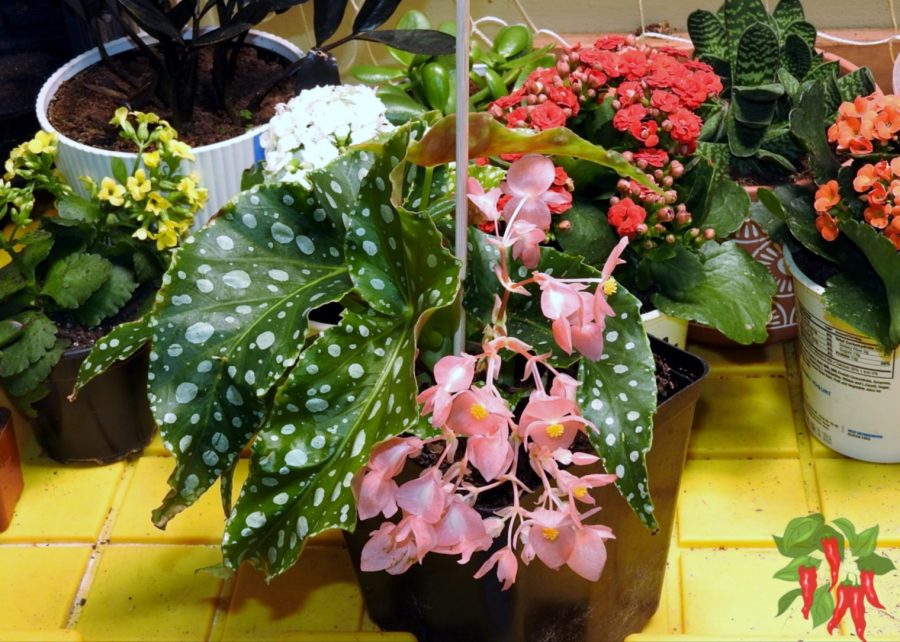
It’s easy to fall in love with a trendy plant online — but not every plant fits every home. 🏡
The key to success is choosing varieties that match your space, light, and lifestyle.
It’s tempting to grab that gorgeous fiddle-leaf fig or rare fern you saw online — but some plants demand conditions most homes can’t offer.
When you pick plants suited to your actual conditions, you’ll spend less time troubleshooting and more time enjoying their growth.
Common Plant-Choice Mistakes
- 🌞 Buying bright-light plants for dim corners (hello, leggy growth!)
- 💦 Bringing home humidity-loving ferns in dry apartments
- 🔥 Placing delicate tropicals near heating vents or cold drafts
- 📅 Choosing high-maintenance species when you travel often
- 🪴 Starting with too many plants at once and feeling overwhelmed
How to Choose the Right Plants for You
- 🔍 Match light levels: Observe your space at different times of day. A bright south-facing window suits sun-lovers like succulents, while a low-light corner is perfect for ZZ plants or snake plants.
- 💧 Consider humidity: Bathrooms are ideal for ferns or calatheas, while drier rooms suit pothos and dracaena.
- ⏰ Be realistic about your schedule: If you forget to water, choose forgiving species like jade plants or peace lilies.
- 📏 Think about size and growth rate: Small spaces need compact varieties — avoid fast growers that outgrow their pots quickly.
Beginner-Friendly Plant Picks 🌿
- 🪴 Low Light: Snake plant, ZZ plant, Chinese evergreen
- 🌤️ Bright Light: Spider plant, succulents, jade, basil
- 💧 High Humidity: Ferns, peace lilies, calatheas
- ☁️ Low Maintenance: Pothos, philodendron, dracaena
Pro Tip: Start Small and Build Confidence
Start with 2–3 easy plants instead of a full jungle. Once you learn their rhythm — watering, light, and growth — you can expand your collection confidently. 🌱
Quick Recap 🌿
- Choose plants that fit your real environment, not your dream one.
- Check labels or research care needs before buying.
- Start small, learn, and grow at your own pace.
When your plants match your space, success becomes effortless — and every new leaf feels like a win. 🌼
Choose Plants That Fit Your Space
🌬️ Mistake #5: Forgetting Temperature, Humidity & Airflow
Why the Indoor Environment Matters
Light and water get most of the attention — but your plants also notice temperature, humidity, and airflow. 🌡️
These invisible factors can make or break your indoor garden. When the air is too dry or drafts are too strong, even healthy plants start showing stress.
Common Environmental Mistakes
- 🔥 Placing plants near heating vents or radiators (air too hot and dry)
- ❄️ Setting them right next to drafty windows or doors in winter
- 💨 Forgetting that still, stagnant air invites mold or pests
- 💧 Ignoring humidity needs for tropical plants like ferns and calatheas
How to Create a Stable Environment
- 🌡️ Maintain consistent temperatures: Most houseplants thrive between 65°F–80°F (18°C–27°C). Avoid sudden temperature swings.
- 🚪 Keep away from vents and drafts: Don’t place plants right above heaters, AC units, or next to open windows in cold months.
- 💧 Raise humidity: Group plants together, use a humidifier, or set pots on pebble trays filled with water (without letting roots sit in it).
- 🌬️ Improve airflow: Use a small oscillating fan or open a window occasionally to prevent stagnant air and fungal issues.
Signs Your Plant Is Unhappy With Its Environment
- 🌿 Brown or crispy leaf tips (air too dry)
- 💧 Drooping leaves even when soil is moist (too cold or drafty)
- 🍂 Yellowing or curling leaves (sudden temperature swings)
- 🪳 Mold, fungus gnats, or sticky residue (poor airflow)
Simple Fixes for Every Season
- 🌸 Spring/Summer: Increase airflow as temperatures rise; water slightly more as plants grow actively.
- 🍂 Fall/Winter: Move plants away from cold windows, use pebble trays or humidifiers, and reduce watering frequency.
Quick Recap 🌿
- Keep plants in stable temps (65–80°F) away from vents and drafts.
- Boost humidity for tropicals with grouping or humidifiers.
- Ensure gentle airflow to prevent stagnant, pest-prone air.
Get the air, temperature, and moisture right — and your plants will reward you with strong roots, lush leaves, and steady growth. 🌿💧
🔍 Mistake #6: Skipping Maintenance & Routine Care
Why Regular Care Matters
Even so-called “low-maintenance” plants need some attention. 🌱 Small habits — like cleaning leaves or checking for pests — go a long way toward keeping your indoor garden healthy.
Ignoring routine care often leads to problems that could have been easily prevented.
Common Maintenance Mistakes
- 🕸️ Forgetting to check for pests until leaves are badly damaged
- 🧹 Letting dust build up on leaves, blocking light absorption
- 🧴 Over- or under-fertilizing because of irregular feeding
- 🔄 Never rotating plants, leading to uneven, lopsided growth
- 🪴 Neglecting to repot when roots become crowded
Simple Weekly & Monthly Habits
- 🪞 Weekly Check-In: Look for drooping, discoloration, pests, or overly dry soil. Catching problems early makes fixes easy!
- 🧼 Clean the Leaves: Wipe with a damp cloth or soft brush to remove dust. Clean leaves = better photosynthesis 🌿
- 🔄 Rotate the Pot: Turn your plants every 1–2 weeks so they grow evenly toward the light.
- 💧 Adjust Watering: Seasonal changes affect how fast soil dries out — water less in winter, more in summer.
Feeding & Fertilizing Tips
- 🌸 Use a balanced houseplant fertilizer every 4–6 weeks during the growing season (spring/summer).
- 🍂 Skip or reduce feeding in fall and winter when plants slow down.
- 🌿 Dilute fertilizer to half-strength for sensitive plants to avoid burn.
Pest Prevention & Early Detection
- 🐞 Inspect under leaves and along stems weekly — pests often hide there first.
- 🪳 Look for sticky residue, webbing, or small dots — signs of scale, mealybugs, or spider mites.
- 🌬️ Keep airflow steady to reduce mold and gnats.
- 🚿 Rinse plants occasionally to remove dust and deter pests naturally.
Pro Tip: Make Plant Care Part of Your Routine
Set a specific “plant check day” each week — like Sunday morning with your coffee ☕. Once it becomes a habit, maintenance won’t feel like work; it’ll feel relaxing and rewarding.
Quick Recap 🌿
- Check plants weekly for signs of stress or pests.
- Clean and rotate regularly to encourage balanced growth.
- Fertilize gently during active growing months and rest in winter.
Consistent care keeps your indoor garden looking lush and thriving — and helps you catch problems long before they get serious. 🌱✨
Build Better Indoor Plant Care Habits
🧘 Mistake #7: Expecting Instant Results
Why Patience Is Part of Gardening
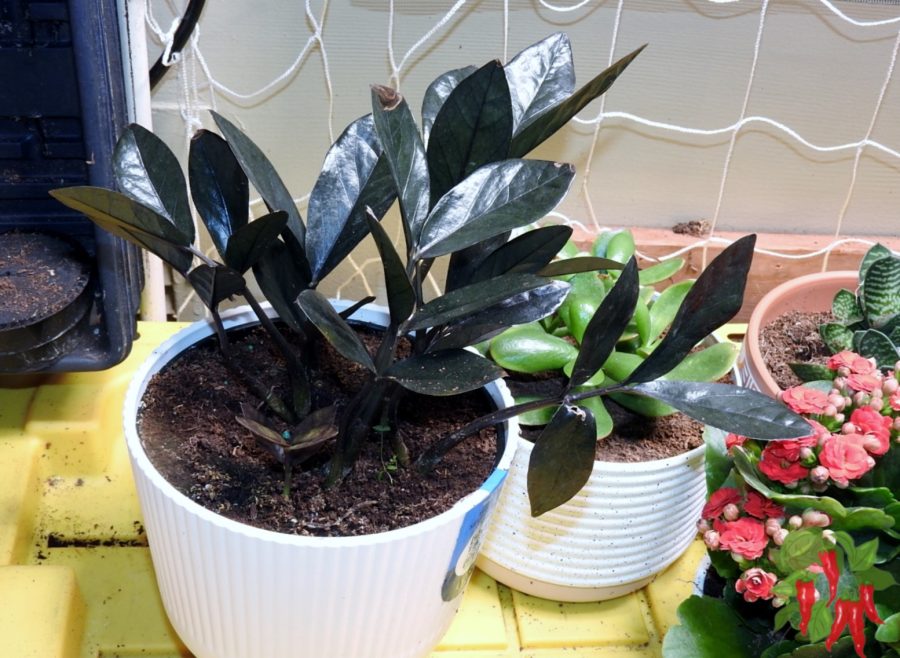
In our fast-paced world, it’s easy to expect quick wins — but plants don’t work that way. 🌱
Indoor gardening is a slow, rewarding process. Growth happens quietly beneath the soil long before you see it above.
Many beginners get discouraged when their plants don’t instantly look lush or “Pinterest-perfect.”
Common Expectation Traps
- ⏳ Expecting new leaves or flowers within days of repotting
- 📸 Comparing your new plant to mature ones online
- 💀 Giving up after one yellow leaf or slow growth period
- 🌿 Buying too many plants at once — and feeling overwhelmed
Understanding the Growth Cycle
- 🌸 Adjustment Phase: New plants need 2–4 weeks to settle into their new environment.
- 🌱 Growth Phase: Expect faster progress in spring and summer when days are longer.
- 🍂 Resting Phase: In fall and winter, most plants slow down — this is normal!
How to Set Realistic Expectations
- 🧭 Focus on progress, not perfection — new growth, healthy leaves, or stronger stems all count as wins.
- 📷 Take monthly photos to track subtle improvements over time.
- 🌿 Learn from small mistakes instead of seeing them as failures.
- 💬 Join plant communities or follow other growers for motivation and perspective.
Signs You’re On the Right Track 🌼
- 🌱 New leaf buds forming or roots peeking from drainage holes
- 💚 Leaves staying green and upright between waterings
- 🪴 Soil drying evenly without foul smells (healthy drainage)
- 😊 You’re checking your plants regularly and adjusting with confidence
Pro Tip: Celebrate the Journey
Indoor gardening isn’t about speed — it’s about growth, patience, and connection. Each small success, from your first sprout to your first bloom, is a milestone worth celebrating. 🌿
Quick Recap 🌿
- Be patient — plants grow slowly, especially indoors.
- Focus on learning and consistency rather than perfection.
- Track progress monthly to see just how far you and your plants have come.
Remember: every thriving plant started as a seedling. With time, care, and patience, your indoor garden will blossom beautifully. 🌻
❓ Indoor Gardening Mistakes to Avoid — FAQs
How often should I water indoor plants?
It depends on the plant and environment. As a starting point, water when the top inch of soil feels dry and always ensure good drainage.
Why are my plant’s leaves turning yellow?
Most often overwatering, low light, or poor drainage. Check moisture first, then improve light and potting mix if needed.
Do indoor plants need fertilizer?
Yes. Feed lightly during spring and summer with a balanced liquid fertilizer; reduce or pause over winter.
What pot size should I choose?
Pick a pot 1–2 inches wider than the current root ball. Oversized pots hold excess water and increase rot risk.
How can I tell if my room has enough light?
Use the hand-shadow test: sharp = bright, blurry = medium, barely visible = low. Add a small LED grow light if needed.
What are easy houseplants for beginners?
Snake plant, pothos, ZZ plant, spider plant, and peace lily are reliable choices that tolerate a range of conditions.
How do I prevent pests indoors?
Quarantine new plants for 1–2 weeks, inspect weekly, keep leaves dust-free, and improve airflow. Treat early if you spot issues.
🌿 Conclusion
Every Gardener Makes Mistakes — and That’s Okay!
No one starts as a plant expert. 🌱 Every droopy leaf, yellow stem, or overwatered pot teaches you something new.
The good news? Most indoor plant problems are easy to fix once you understand what’s really going on — and you’ve now got all the tools to do just that!
What You’ve Learned
- ☀️ How to match plants to your space and light levels
- 💧 How to water properly (and let those roots breathe!)
- 🪴 Why soil and pot choice make such a big difference
- 🌬️ How temperature, humidity, and airflow affect growth
- 🔍 How small maintenance habits prevent big problems
- 🧘 Why patience and consistency always pay off
Keep Growing — One Leaf at a Time 🍃
Don’t be discouraged by setbacks — even the most seasoned plant lovers lose a few along the way. The key is to observe, adjust, and enjoy the process. Indoor gardening isn’t about perfection; it’s about nurturing life and watching it unfold in your home.
So keep experimenting, keep learning, and most of all — keep growing. 🌿✨
Beginners Guide to Indoor Gardening: Easy Steps to Start
Keep Growing Your Indoor Gardening Skills
📚 Resources & References

👋 About the Author
Steve is the creator of Indoor Gardening Essentials and a hands‑on indoor gardener with years of experience growing plants in small apartments, tight corners, and low‑light spaces.
He specializes in practical, beginner‑friendly setups—from kitchen herbs and windowsill succulents to self‑watering planters, terrariums, and simple hydroponic systems. Everything he teaches comes from real experimentation, not guesswork.
Steve documents his projects, successes, and occasional failures on his YouTube channel Small Farms Big Ideas , where he tests grow lights, soil mixes, watering routines, and small‑space gardening methods.
His goal is simple: help new indoor gardeners build confidence, avoid common mistakes, and grow healthy plants—no matter how small their space is.