
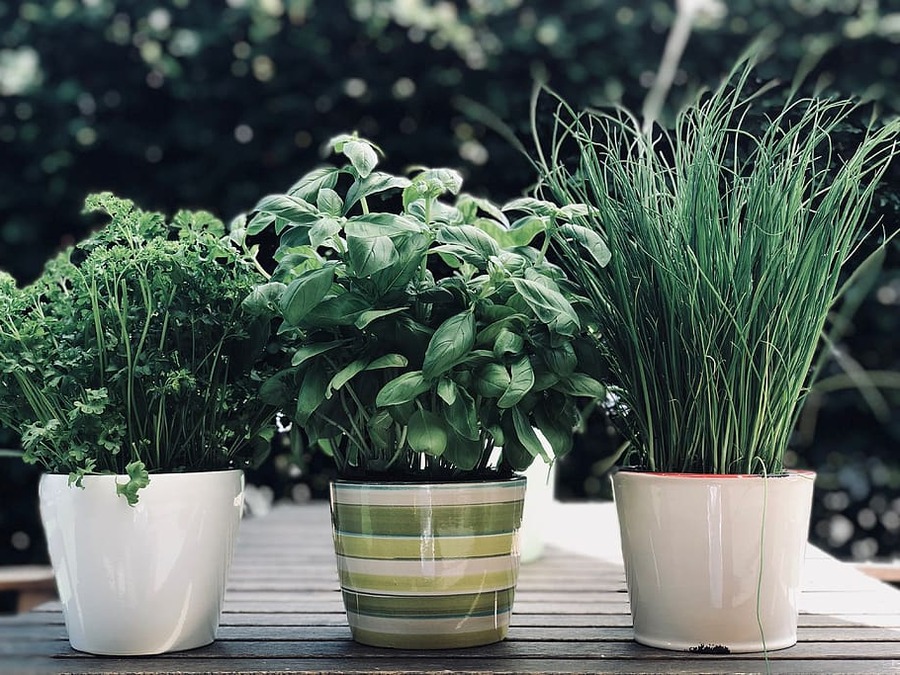
How much sunlight does a small garden need to really thrive? ☀️ Whether you’re growing herbs on a windowsill or veggies on a tiny patio, getting the light balance right makes all the difference.
In this friendly guide, you’ll discover how to measure your sun, pick plants that match your light, and even use LEDs to boost growth—all so your garden can flourish year-round. 🌿
How Much Sunlight Does a Small Garden Need?
Short answer: most edible gardens thrive with 6–8+ hours of direct sun, while leafy greens and many herbs can do well with 4–6 hours.
But there’s a lot more to great growth than just counting hours. In this guide, you’ll learn how to quickly audit your light, match plants to your conditions, and boost results (even if your space is shaded) 🌞🪴.
🌱 Why Sunlight Matters (and Why Small Spaces Are Tricky)
Sunlight powers photosynthesis—the plant’s way of turning light into energy for leaves, roots, flowers, and fruit.
In a small garden (balcony, patio, windowsill, or tiny yard), nearby buildings, trees, and railings can reduce both the hours and the intensity of light.
The good news? With a simple light check and a few smart tweaks, you can get lush growth even in less-than-ideal spots.
- Energy & growth: more appropriate light = faster growth, stronger stems, better flavor.
- Flowering & fruiting: crops like tomatoes and peppers need higher light to set fruit consistently.
- Compact plants: right light prevents “leggy” stems and weak, floppy growth.
☀️ Sunlight Basics (Made Super Simple)
Garden labels use a few standard terms. Here’s how to read them for your space:
- Full sun: ~6+ hours of direct sun (preferably mid-day/afternoon intensity)
- Part sun / partial shade: ~3–6 hours of direct sun
- Shade: <3 hours of direct sun (or mostly bright, indirect light)
But! The number of hours isn’t everything. Intensity matters too:
- Morning sun = gentler; great for greens and herbs 🌤️
- Midday/afternoon sun = strongest; best for fruiting crops 🔆
- Season & angle shift = your “full sun” spring spot might lose light in midsummer or winter
🥗 How Much Sun Do Different Plants Need?
Use this as a practical, beginner-friendly guide. If you’re on the edge between categories, choose varieties known for shade tolerance or consider LED supplements (more on that below!).
| Light You Have | What to Grow | Notes |
|---|---|---|
| <3 hours direct (mostly bright, indirect) | Mint, parsley, chives, cilantro; leafy ornamentals; shade-friendly flowers | Expect slower growth; consider LEDs for edibles |
| 3–4 hours direct (partial shade) | Lettuce, spinach, arugula, kale, Asian greens, microgreens | Frequent harvests keep plants tender and productive |
| 4–6 hours direct (part sun) | Most leafy greens, many herbs (basil, thyme, oregano), radishes, beets, carrots | Choose compact or early varieties for best results |
| 6–8+ hours direct (full sun) | Tomatoes, peppers, cucumbers, beans, squash, strawberries | Prime for fruiting crops and higher yields |
🔎 Quick “Light Audit” for Tiny Spaces
Grab your phone and a notepad—this takes just one or two days.
- Map the path of the sun: check 9am, noon, 3pm, and 6pm. Write “direct sun,” “bright indirect,” or “shade.”
- Count total direct hours: add up the periods with direct rays hitting your plants.
- Note obstacles: walls, trees, balcony rails, and eaves change light by the hour.
- Check window direction (indoors): south/west are strongest; east is gentle; north often needs LEDs.
- Repeat seasonally: the sun’s angle changes—re-check in spring, summer, and winter.
Hand-shadow test: in your plant spot, hold your hand 12″ above a surface. A crisp shadow = strong light; a fuzzy shadow = moderate; barely visible = low.
🧭 Match Plants to Your Light (and Win!)
Choosing plants that fit your conditions is the fastest path to success:
- Sunny all day (6–8+ hrs): go wild with tomatoes, peppers, cucumbers, zucchini, pole beans, sun-loving flowers 🌺
- Half-day sun (4–6 hrs): salads for days—leafy greens, many herbs, radishes, carrots, baby beets 🥕
- Low light (<4 hrs): mint, parsley, chives, cilantro, microgreens; add LEDs for faster, fuller growth 💡
Container tip: choose light-colored pots (they reflect heat) and put containers on plant caddies so you can “chase the sun.”
🔧 Easy Ways to Maximize Sun in Small Gardens
- Prune and tidy: trim overhangs or branches (where permitted) to open light corridors.
- Use reflective surfaces: light walls, mirrors, or white foam boards bounce light back to leaves.
- Smart positioning: taller plants behind shorter ones (relative to the sun path) so nothing gets shaded out.
- Rotate weekly: turn pots 90° for even growth and sturdy stems.
- Clean the glass: windows and greenhouse panels reduce light when dusty—wipe them monthly.
- Time your watering: sunnier, hotter spots dry out faster—check moisture with your finger 1–2″ down.
⚠️ Common Beginner Mistakes (and Quick Fixes)
- “Looks bright, so it’s full sun.” Bright indirect ≠ direct sun. Fix: do a light audit to count true direct hours.
- Wrong crop for the light. Tomatoes in 3 hours of sun will disappoint. Fix: pick shade-tolerant or switch to LEDs.
- Expecting summer results in winter. Shorter days = slower growth. Fix: add LEDs or choose cool-season greens.
- Overwatering “sad” plants. The real issue is often low light, not thirst. Fix: increase light first, then adjust watering.
- Not rotating pots. Plants lean to light. Fix: rotate weekly for symmetry and strength.
💡 Supplementing Natural Light with LEDs
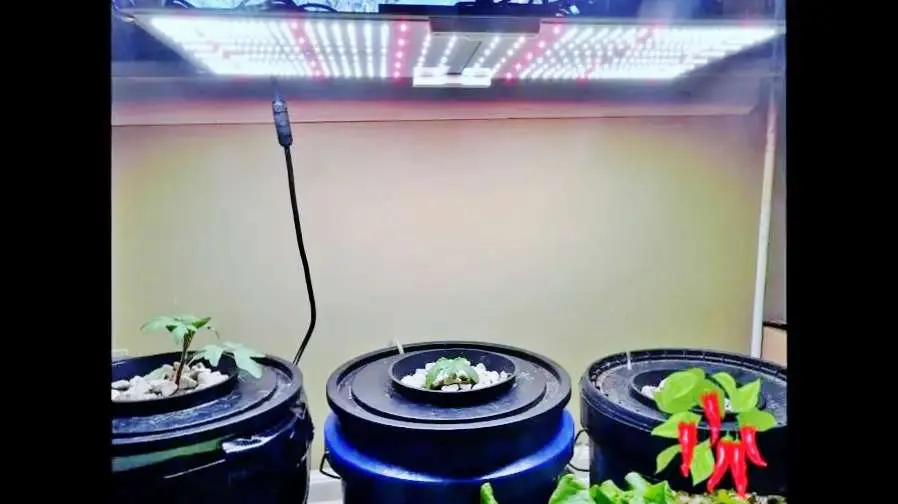
Even the sunniest window can fall short in winter or on cloudy stretches. LEDs make growth more consistent and compact—great for small gardens and indoor setups.
Why supplement?
- Indoor light is typically far weaker than outdoor sun.
- Short days slow growth; LEDs keep photosynthesis humming.
- You’ll see stockier stems, richer color, and better yields.
What kind of LED?
- Full-spectrum LEDs cover the PAR range plants use; ideal for most edibles and houseplants.
- Avoid warm decor bulbs: they’re dim and miss key wavelengths.
- Form factors: clip-on goosenecks (few pots), bar lights (shelves), panels (bigger coverage), or small tents (year-round production).
How high and how long?
- Hanging height: start 12–18″ above the canopy; adjust if leaves curl (too close) or plants stretch (too far).
- Run time:
- Leafy greens & herbs: 12–14 hours/day
- Fruiting crops (tomatoes/peppers): 14–16 hours/day
- Succulents: 10–12 hours/day
- Use a timer: plants need a dark “rest” period—set and forget ⏱️
LED success tips
- Keep diodes and diffusers clean for max brightness.
- Combine window light + LED for efficiency.
- Rotate trays weekly for even coverage.
- Replace older fixtures when output noticeably fades (often 3–5 years of heavy use).
❓FAQs: Sunlight for Small Gardens
How many hours of sunlight does a small garden need?
Aim for 6+ hours of direct sun for fruiting crops. Leafy greens and many herbs can produce well with 4–6 hours.
Does morning sun count the same as afternoon sun?
It all counts, but afternoon sun is more intense. Morning-sun spaces are perfect for greens and herbs; fruiting crops prefer stronger midday/afternoon light.
Can I grow vegetables with only 4 hours of sunlight?
Yes—focus on lettuce, spinach, kale, arugula, cilantro, parsley, and chives. For tomatoes/peppers, add an LED to boost yields.
What does partial shade or partial sun mean?
It’s roughly 3–6 hours of direct sun. Many herbs and greens love these conditions.
How do I measure sunlight in my garden or indoors?
Observe your spot at several times (9am, noon, 3pm, 6pm) and add up direct-sun periods. Indoors, note how long sunbeams actually hit the leaves. A simple light or PAR meter helps if you want precision.
Can LED grow lights replace sunlight?
They can supplement or replace sunlight for many setups. Choose full-spectrum LEDs, hang ~12–18″ above plants, and run 12–16 hours/day depending on the crop.
Why are my plants tall and leggy?
That’s usually a light shortage. Move plants to stronger light, reduce crowding, or add LEDs for compact, sturdy growth.
Do north-facing windows have enough light?
Often not for edibles. Try shade-tolerant herbs/greens or add a small LED bar or clip light.
Does sunlight change with the seasons?
Yes—the sun’s angle and day length shift. Re-check your light seasonally and move containers as needed.
How do I know if my spot is truly “full sun”?
Count direct-sun hours with your audit. If you consistently hit 6+ hours (with some midday/afternoon intensity), you’re in full-sun territory.
🎯 How Much Sunlight Conclusion
Small gardens can absolutely thrive—even without all-day sun. Start with a quick light audit, choose crops that match your conditions, and use simple tricks (reflective surfaces, rotation, plant caddies) to squeeze every drop of sunshine from your space. When the season turns or shade creeps in, flip on a full-spectrum LED to keep growth steady and compact. You’ve got this! 🌿💪
👉 Small Space Gardening Ideas: 10 Creative Ways to Grow More
📚 References & Further Reading
Authoritative, beginner-friendly resources to go deeper:
- University of Maryland Extension — Lighting for Indoor Plants
- Penn State Extension — Caring for Houseplants (light & care basics)
- University of Minnesota Extension — Lighting for Indoor Plants & Starting Seeds
- Clemson HGIC — Indoor Plants: Containers, Care & Light Requirements
- Royal Horticultural Society — Shade Gardening (Understanding Sun & Shade)

👋 About the Author
Steve is the creator of Indoor Gardening Essentials and a hands‑on indoor gardener with years of experience growing plants in small apartments, tight corners, and low‑light spaces.
He specializes in practical, beginner‑friendly setups—from kitchen herbs and windowsill succulents to self‑watering planters, terrariums, and simple hydroponic systems. Everything he teaches comes from real experimentation, not guesswork.
Steve documents his projects, successes, and occasional failures on his YouTube channel Small Farms Big Ideas , where he tests grow lights, soil mixes, watering routines, and small‑space gardening methods.
His goal is simple: help new indoor gardeners build confidence, avoid common mistakes, and grow healthy plants—no matter how small their space is.