

If you’re new to indoor gardening or just tired of plants that give up easily, you’ll love these low-maintenance houseplants you can’t kill. 🌿
From the unshakable ZZ plant to the forgiving Spider plant and colorful Anthurium, these beauties thrive with minimal attention—so you can enjoy a lush, green space without stress or constant care. Perfect for beginners or busy plant lovers alike!
What You’ll Learn
- How to choose low-maintenance houseplants you can’t kill 🌿
- Simple care cheats for ZZ, Snake Plant, Pothos, Spider Plant, Peace Lily, Chinese Evergreen, and Anthurium
- Watering rhythms that prevent overwatering and root rot
- Where to place plants for safe, indirect light
- Quick fixes for yellow leaves, crispy tips, and drooping
- Which options are pet & kid safe (and what to avoid)
- A minimal routine to keep plants thriving with less effort
7 Low-Maintenance Houseplants You Can’t Kill 🌿
If you’ve ever said, “I love plants, I just forget about them,” this one’s for you.
In this guide, you’ll meet seven ultra-forgiving houseplants—ZZ plant, Snake plant, Pothos, Spider plant, Peace lily, and Chinese evergreen—plus simple care rules, quick troubleshooting, and friendly answers to the questions beginners ask most.
No fuss, no stress—just green wins.
What Makes a Plant Truly Low-Maintenance?
- Flexible light tolerance: Survives in low to medium light (no daily sun-chasing required).
- Forgiving watering window: Okay with drying out a bit—or even a lot—between waterings.
- Average indoor humidity needs: No misting rituals or humidifier dependency.
- Simple soil + pot: Standard, well-draining potting mix and a pot with a drainage hole.
- Resilient to beginner mistakes: Especially tolerant of the #1 plant killer: overwatering.
Pro tip: Match a plant to a real spot in your home (the light you actually have), set a simple watering reminder, and enjoy. Wins build confidence.
Beginner Indoor Gardening Guides
Match Easy Plants to the Light You Have
The 7 Easiest Houseplants (Beginner-Proof Picks)
1) ZZ Plant (Zamioculcas zamiifolia) 🛡️
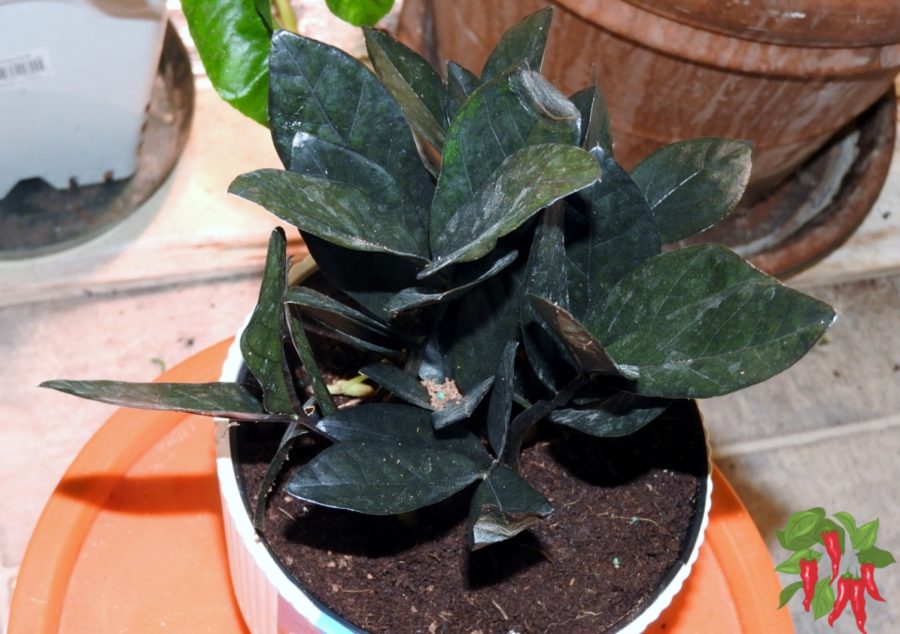
Meet the champion of neglect tolerance. ZZ grows from thick water-storing rhizomes, so it rides out missed waterings like a pro. It also handles low light better than most, making it a go-anywhere green accent.
- Light: Low to bright indirect (no harsh direct sun).
- Water: Let soil dry out completely before you water again; err on the dry side.
- Soil: Regular indoor potting mix with good drainage.
- Watch for: Yellowing, mushy stems = too much water.
- Beginner boost: Great for offices, hallways, and low-light corners.
Extension notes: ZZ tolerates very low light and infrequent watering; allow soil to dry between waterings.
2) Snake Plant (a.k.a. Sansevieria / Dracaena trifasciata) 🐍

Architectural leaves, ironclad constitution. Snake plant shrugs off missed waterings and dim conditions, and it’s famously long-lived. The only real way to “kill” it is with constant wet feet.
- Light: Low to bright indirect; protect from harsh, hot sun.
- Water: Let soil dry fully; much less in winter.
- Soil: Well-draining mix (even cactus/succulent blends work).
- Watch for: Root rot from overwatering.
- Beginner boost: Performs in bedrooms, living rooms, and offices.
Extension notes: Needs well-drained soil; allow soil to dry between waterings; avoid overwatering.
3) Pothos (Epipremnum aureum) 🌿

The friendliest trailing vine. Pothos is easy to grow, easy to prune, and easy to propagate in water—perfect for shelves, mantels, and hanging planters.
- Light: Low to bright indirect; avoid hot, direct sun.
- Water: Let the top 1–2 inches dry; water thoroughly and drain.
- Soil: Standard indoor potting mix; good drainage is key.
- Watch for: Drooping = thirsty; black spots/yellowing may mean too wet.
- Beginner boost: Snip and root cuttings to clone new plants for free.
Extension notes: Allow soil to dry between waterings; prefers bright indirect but tolerates low light.
4) Spider Plant (Chlorophytum comosum) 🕷️

Classic, tough, and generous—spider plants throw adorable “babies” (plantlets) you can pot up and share. They handle a range of indoor conditions without drama.
- Light: Medium to bright indirect; protect from intense direct sun.
- Water: Let the top inch dry; water well and drain.
- Soil: General-purpose potting mix; slightly pot-bound encourages babies.
- Watch for: Brown tips from salts/fluoride—flush soil occasionally and use room-temp water.
- Beginner boost: Hang near a lightly bright window for best growth.
Extension notes: Medium to bright indirect light; average temps; likes to be somewhat root-bound and produces plantlets readily.
5) Peace Lily (Spathiphyllum) 🤍

Glossy leaves and elegant white blooms—yet still beginner-friendly. Peace lilies “talk” to you by drooping when thirsty, which makes learning water timing easier.
- Light: Low to medium indirect (more light = more blooms; avoid hot sun).
- Water: Keep evenly moist but never soggy; let the top layer dry slightly.
- Soil: Well-drained potting mix rich in organic matter.
- Watch for: Constantly wet soil → root issues; very low light → few or no blooms.
- Beginner boost: Great “feedback plant” to learn watering rhythm.
Extension notes: Keep in bright, indirect light; keep soil moist but not waterlogged; allow slight dry-down between waterings.
6) Chinese Evergreen (Aglaonema) 🪴
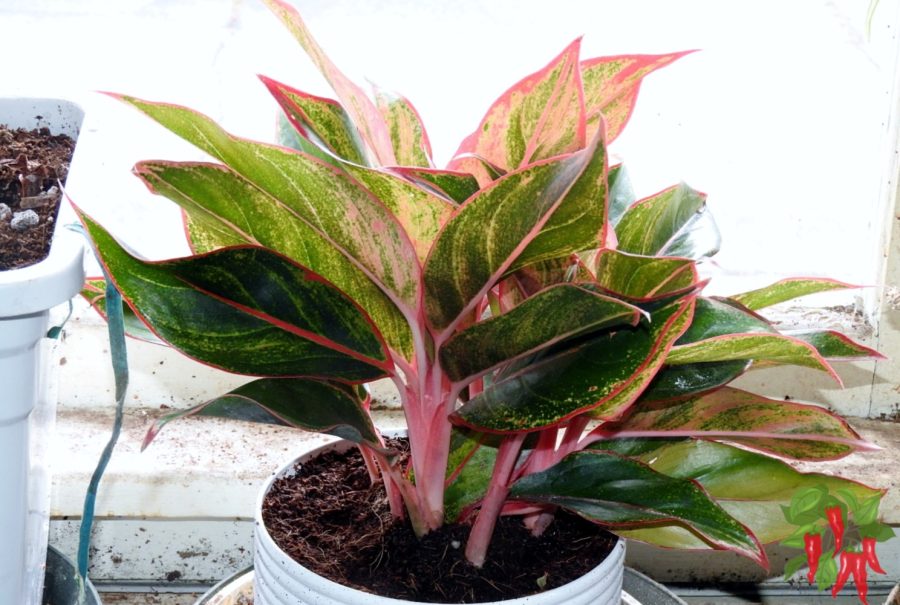
One of the most adaptable foliage plants, with many beautiful leaf patterns. It’s slow-growing, shade-tolerant, and unfazed by average indoor humidity—ideal for lower-light rooms.
- Light: Low to medium, indirect; avoid direct sun.
- Water: Water when the top inch is dry; don’t keep soggy.
- Soil: Standard potting mix; good drainage.
- Watch for: Cold drafts and overwatering.
- Beginner boost: Excellent for hallways and north-facing rooms.
Extension notes: Tolerates low light; prefers evenly moist (not soggy) soil; sensitive to cold; reduce watering in winter.
7) Anthurium (Flamingo Flower) ❤️
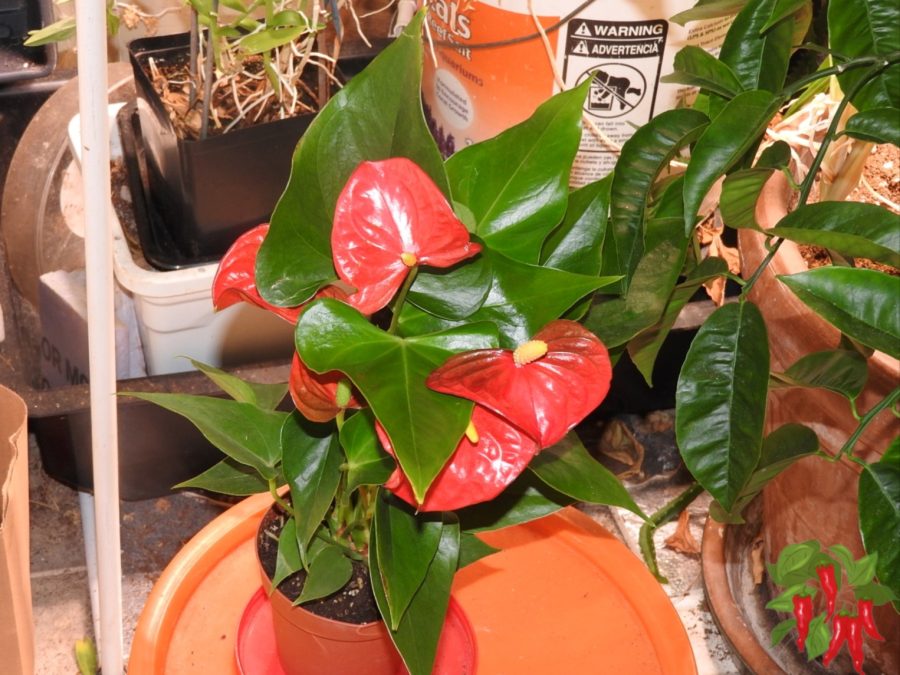
If you want a touch of color without high maintenance, the Anthurium, also called Flamingo Flower, is a wonderful choice.
Its shiny heart-shaped leaves and long-lasting red, pink, or white “flowers” (technically spathes) bring a tropical vibe indoors with minimal care.
- Light: Bright, indirect light keeps foliage glossy and blooms frequent; too much sun scorches leaves.
- Water: Keep the soil slightly moist but not soggy; allow the top inch to dry between waterings.
- Humidity: Appreciates moderate humidity but survives fine in normal household air.
- Soil: Use a light, chunky potting mix (aroid mix or indoor mix with perlite/orchid bark works great).
- Watch for: Yellow leaves from overwatering or cold drafts.
- Beginner boost: Consistent care rewards you with glossy foliage and bright, cheerful “blooms” that can last for weeks.
Extension notes: Anthuriums prefer indirect light and evenly moist, well-drained soil. Avoid cold drafts and direct sunlight for best growth.
Simple Setup & Routine (Keep It Easy) ✅
- Pot & drainage: Always use a pot with a drainage hole. Slip a saucer underneath to protect furniture.
- Soil: Regular indoor potting mix is perfect for these plants; avoid heavy garden soil.
- Watering rhythm: Check moisture with your finger. If the top 1–2 inches are dry (or fully dry for ZZ/Snake), water thoroughly until a little drains out; empty saucers.
- Light placement: A few feet back from an east or north window is a safe starting point; adjust if growth is slow or leaves pale.
- Feeding (optional): A light, balanced houseplant fertilizer once a month in spring/summer is plenty. Skip in winter.
- Dust & shine: Wipe leaves with a damp cloth occasionally so they can photosynthesize efficiently.
Traveling? Water well before you go, move plants slightly farther from bright windows, and group them together to create a small humidity “bubble.” Most of these champs will be fine for 1–3 weeks depending on light and pot size.
Easy Indoor Plant Care Guides
Troubleshooting Quick-Guide 🔧
- Yellowing leaves: Often too much water or too little light. Check drainage and move slightly brighter.
- Mushy stems / sour smell: Root rot risk—unpot, trim soft roots, repot into fresh, well-draining mix, and water less often.
- Brown, crispy tips: Underwatering, very low humidity, or fertilizer salt build-up. Water more deeply (but not more often), and flush soil every few months.
- No growth: Normal in winter. In spring/summer, try slightly brighter light and a light feeding.
- Drooping Peace lily: Time to water; it’s a built-in reminder plant.
Indoor Plant Troubleshooting Guides
Pet & Kid Safety 🐾👶
Before bringing any new plant home, it’s smart to know which ones are safe for your furry friends or curious toddlers.
Some of the easiest houseplants to grow can still be mildly toxic if chewed or swallowed—so placement matters. Here’s a quick safety guide:
| Plant | Pet Safe? | Notes |
|---|---|---|
| ZZ Plant | ❌ No | Mildly toxic if ingested; can cause stomach upset. Keep out of reach of pets and kids. |
| Snake Plant | ❌ No | Toxic to cats and dogs if chewed (may cause nausea or drooling). |
| Pothos (Devil’s Ivy) | ❌ No | Contains calcium oxalates that irritate the mouth and throat if eaten. |
| Spider Plant | ✅ Yes (Mostly) | Non-toxic to cats and dogs; safe if nibbled, though excessive chewing may cause mild tummy upset. |
| Peace Lily | ❌ No | Contains calcium oxalates; can irritate mouth and stomach if ingested. |
| Chinese Evergreen (Aglaonema) | ❌ No | Toxic to pets if eaten; best placed on shelves or tabletops out of reach. |
| Anthurium (Flamingo Flower) | ❌ No | Contains oxalates; can irritate mouth and throat of pets and humans if chewed. |
Pet-safe picks: The Spider Plant is the safest option on this list. If you want even more non-toxic choices, consider the Parlor Palm (Chamaedorea elegans), Boston Fern (Nephrolepis exaltata), or Cast Iron Plant (Aspidistra elatior) — all are resilient and gentle for homes with pets or kids. 🪴🐶🐱
Tip: Even “safe” plants can cause mild stomach upset if over-chewed, so it’s best to place them out of reach or train pets to avoid nibbling.
More Beginner-Friendly Plant Guides
⁉️ Beginner FAQs
Short, friendly answers to the internet’s most-asked beginner questions about “hard-to-kill” houseplants.
How often should I water?
There’s no fixed calendar. Check moisture with your finger: water when the top 1–2 inches are dry (fully dry for ZZ/Snake). Thorough soak, then drain.
Can these plants live in a dark corner?
They can handle low light, but they still need some indirect light to stay healthy. If it’s too dark to read a book, consider moving closer to a window or adding a small LED grow light.
What pot and soil do I need?
Any pot with a drainage hole + standard indoor potting mix. Avoid garden soil (too heavy in containers).
Do I need to mist the leaves?
Not required. Normal indoor humidity is fine for these picks. Wipe dust occasionally.
Are these plants safe for pets and kids?
Some common houseplants can be toxic if chewed. If you have curious pets or toddlers, verify plant safety before purchase and place plants out of reach.
When should I repot?
Every 1–2 years (or when roots circle or poke from the drainage hole). Go up one pot size at a time.
Should I fertilize?
Optional. Light monthly feeding in spring/summer is enough; skip in winter.
What’s the #1 mistake to avoid?
Overwatering—especially in low light. When in doubt, wait a few days and check again.
😍 7 Low-Maintenance Houseplants You Can’t Kill Conclusion
Low-maintenance houseplants make indoor gardening much easier for beginners, busy schedules, apartments, and anyone who wants greenery without constant upkeep.
The key is choosing plants that match your real lighting conditions and watering habits instead of trying to force high-maintenance plants into difficult spaces.
Start with one or two forgiving plants, learn their rhythm, and build confidence gradually.
👉 What to Grow: Best Plants for Your Indoor Space
Keep Building Your Indoor Plant Collection
📚 References & Further Reading
- University of Minnesota Extension — ZZ Plant Care
- Iowa State University Extension — ZZ Plant Overview
- Penn State Extension — Snake Plant (Dracaena trifasciata)
- NC State Extension — Dracaena trifasciata (Snake Plant)
- South Dakota State University Extension — Pothos Houseplant How-To
- University of Wisconsin Horticulture — Pothos Profile
- University of Wisconsin Horticulture — Spider Plant Profile
- South Dakota State University Extension — Spider Plants How-To
- Clemson HGIC — Peace Lily
- UF/IFAS Gardening Solutions — Peace Lily
- NC State Extension — Spathiphyllum (Peace Lily)
- Clemson HGIC — Chinese Evergreen
- University of Illinois Extension — Chinese Evergreen
- UF/IFAS Gardening Solutions — Aglaonema (Chinese Evergreen)
- Clemson HGIC —Anthurium: Easy Houseplants That Offer Long-Lasting Color

👋 About the Author
Steve is the creator of Indoor Gardening Essentials and a hands‑on indoor gardener with years of experience growing plants in small apartments, tight corners, and low‑light spaces.
He specializes in practical, beginner‑friendly setups—from kitchen herbs and windowsill succulents to self‑watering planters, terrariums, and simple hydroponic systems. Everything he teaches comes from real experimentation, not guesswork.
Steve documents his projects, successes, and occasional failures on his YouTube channel Small Farms Big Ideas , where he tests grow lights, soil mixes, watering routines, and small‑space gardening methods.
His goal is simple: help new indoor gardeners build confidence, avoid common mistakes, and grow healthy plants—no matter how small their space is.