
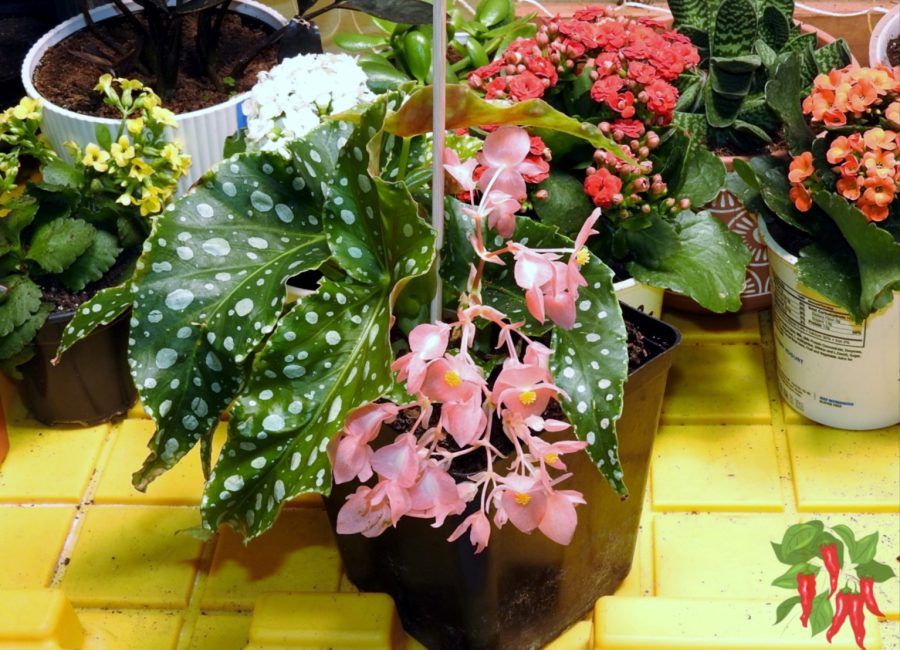
Imagine having a home that feels like spring every single day 🌸. With the right plants, you can!
In this guide, you’ll discover 7 flowering houseplants that bloom indoors all year—each one beautiful, beginner-friendly, and ready to fill your space with color no matter the season. Let’s get your indoor garden glowing!
What You’ll Learn
🪴 Troubleshooting tips for common bloom problems like buds that won’t open or fade too soon.
🌿 Which plants do best in bright, low-light, or sunny window spots.
🏡 How to design a colorful, low-maintenance indoor garden that flowers nonstop. 🌼
7 Flowering Houseplants That Bloom Indoors All Year 🌸
You don’t have to wait for spring to enjoy flowers. With the right plants (and a few easy care habits), you can have color popping indoors month after month—even in winter.
In this guide, you’ll meet seven reliable bloomers, learn exactly what they need, and pick up simple routines that keep buds coming. Let’s brighten your space! ✨
What “Bloom All Year” Really Means 🌼
Indoors, “all year” usually means a plant can cycle through frequent or extended bloom periods when you give it steady light, proper watering, and modest feeding.
Most houseplants flower in waves: form buds, bloom, rest a bit, then repeat.
Your job is to make those cycles smooth by keeping conditions consistent—especially through the darker months.
- Light: Bright, indirect light fuels buds. In winter, a small LED grow light can keep flowers coming.
- Water: Keep soil evenly moist or allow partial drying—based on the plant. (Overwatering is the #1 bloom killer.)
- Humidity & Temp: Warm rooms with gentle humidity help many flowering houseplants thrive.
- Nutrients: Light, regular feeding during active growth supports repeat flowering.
- Deadheading: Snip spent blooms to redirect energy into new flowers.
The 7 Best Flowering Houseplants for Year-Round Color 🌈
1) African Violet (Saintpaulia) 💜

Compact, cheerful, and bred in countless colors—African violets are famous for blooming in any season.
They’re ideal for desks, shelves, and windowsills where they get bright, indirect light.
- Light: Bright, indirect. Avoid harsh midday sun on leaves.
- Water: Keep soil lightly moist; water from the saucer or with a spout that avoids wetting leaves.
- Fertilizer: Use a violet or balanced houseplant fertilizer at low strength during active growth.
- Bloom Tip: Crowded crowns and soggy soil = no flowers. Groom regularly and don’t overwater.
2) Peace Lily (Spathiphyllum) 🤍

Glossy foliage and elegant white spathes make peace lilies a favorite. They’re forgiving about missed waterings and bloom best with good, indirect light. In lower light they’ll still look great, but blooms slow down.
- Light: Medium to bright, indirect. Too dark = fewer spathes.
- Water: Allow the top inch to dry, then water thoroughly. They’ll tell you they’re thirsty by drooping slightly.
- Fertilizer: Light, infrequent feeding during spring and summer.
- Bloom Tip: Wipe dusty leaves so they can photosynthesize efficiently—clean leaves = more energy for flowers.
3) Anthurium (Flamingo Flower) ❤️
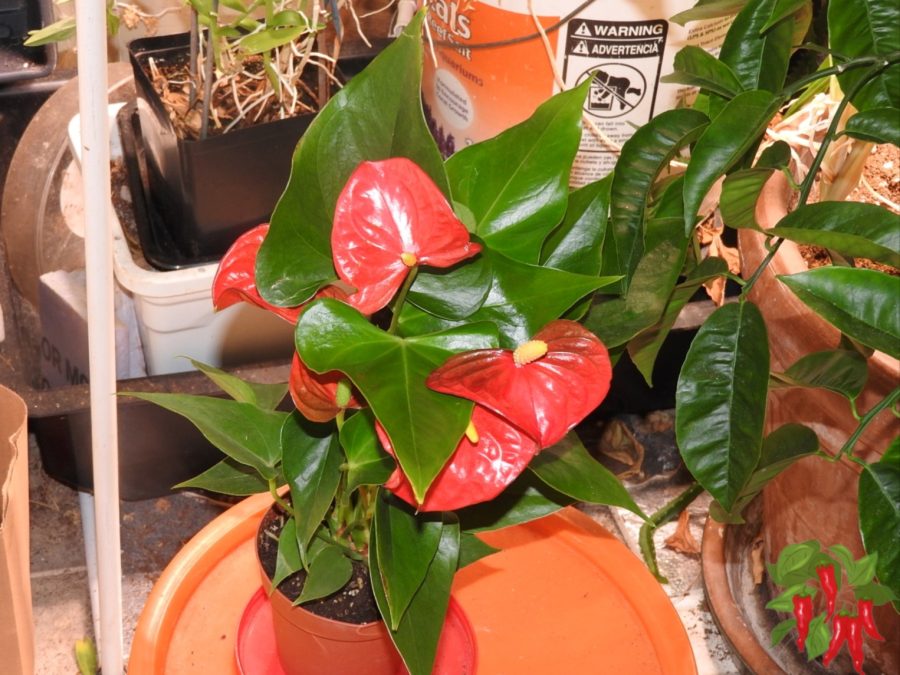
Those shiny, heart-shaped “flowers” (colorful spathes) can last for weeks.
Keep anthuriums warm, evenly moist, and in bright, indirect light and they’ll reward you with a steady parade of color.
- Light: Bright, indirect; avoid hot, direct sun.
- Water: Moist but never soggy; use a chunky, well-draining mix.
- Fertilizer: Light monthly feeding during active growth.
- Bloom Tip: If spathes fade quickly, increase light and ensure the mix drains freely.
4) Kalanchoe blossfeldiana 🌺
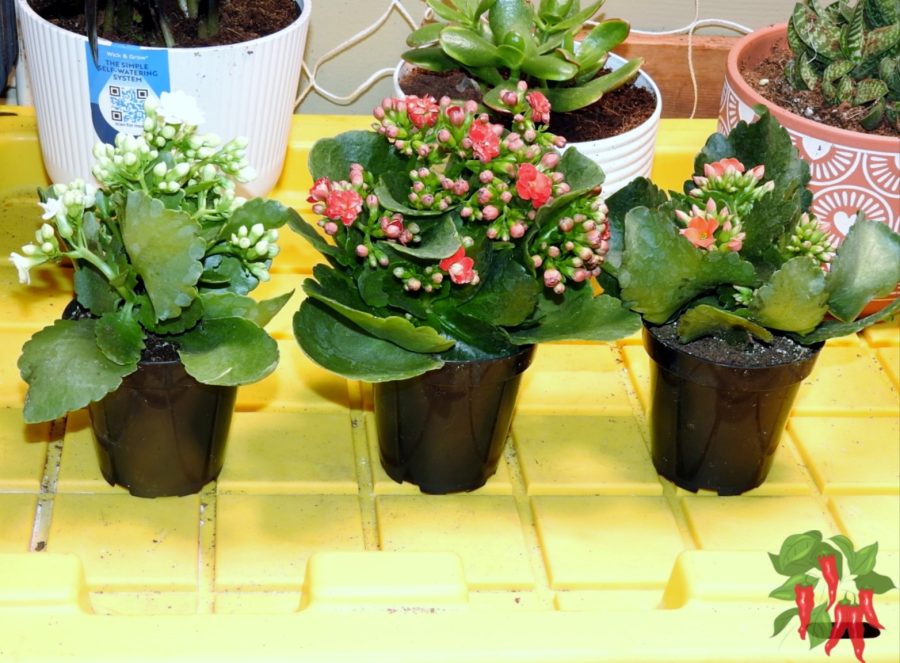
This compact succulent brings clusters of long-lasting flowers in red, pink, orange, yellow, and white.
It’s low-maintenance, thrives in bright light, and doesn’t mind a little neglect between waterings.
- Light: Bright light; some direct sun is great.
- Water: Let the mix dry partway between waterings.
- Fertilizer: Very light feeding; this one doesn’t need much.
- Bloom Tip: To encourage new cycles, give it bright days and consistent care—avoid constant low light.
Kalanchoe Blossfeldiana: Easy Care Non-Stop Blooms – Indoor Gardening Essentials
5) Cape Primrose (Streptocarpus) 💙

Graceful, tubular flowers in blues, purples, pinks, and whites—often for months. Streptocarpus likes similar conditions to African violets: bright, indirect light and even moisture without sogginess.
- Light: Bright, indirect light is key for buds.
- Water: Keep evenly moist but not wet; avoid water sitting in crowns.
- Fertilizer: Regular, diluted feeding supports repeat flowers.
- Bloom Tip: Deadhead frequently—removing spent stems triggers more blooms.
6) Begonia (Wax, Rieger, Angel-Wing types) 🌹

Begonias give you both color and character—showy foliage plus abundant blooms in the right conditions. Indoors, keep them warm, in bright but filtered light, and use a free-draining mix to prevent rot.
- Light: Bright, indirect; morning sun is fine, avoid hot afternoon rays.
- Water: Even moisture during growth; let the top surface dry slightly between waterings.
- Fertilizer: Light, regular feeding during active growth for continuous buds.
- Bloom Tip: Poor drainage equals lost flowers—use a loose, airy mix.
7) Crown of Thorns (Euphorbia milii) 🔴

Practically unbothered by dry air and strong light, this tough succulent can flower many months of the year on a sunny sill. It’s a great choice if you love low-maintenance plants with high payoff.
- Light: Full sun indoors (or the brightest window you’ve got).
- Water: Let the mix dry between waterings; never keep it soggy.
- Fertilizer: Light, occasional feeding in the growing season.
- Bloom Tip: If it stops blooming, it probably needs more light. Rotate the pot for even growth.
Quick Comparison: Which One Fits Your Space? 🧭
- Low-light tolerant (but more flowers with brighter light): Peace lily.
- Best for bright, indirect light: African violet, anthurium, many begonias, streptocarpus.
- Loves bright light & handles some direct sun: Kalanchoe, crown of thorns.
- Lowest maintenance: Kalanchoe (light watering), crown of thorns (very drought-tolerant once established).
- Great for desks/shelves: African violets, streptocarpus, small begonias.
Bloom-Boosting Basics (That Actually Work) ⚙️
- Upgrade the light: Place near your brightest window or add a simple LED grow light on a timer (12–14 hours for many bloomers).
- Water right: Err on the side of “not soggy.” Many flowering houseplants prefer evenly moist, not wet feet.
- Feed lightly, consistently: Half-strength fertilizer during active growth beats heavy, infrequent doses.
- Trim & deadhead: Removing spent blooms signals the plant to send up more.
- Keep it warm: Most bloomers slow down below ~60°F; protect from drafts and heat vents.
- Repot smart: Refresh mix when it breaks down, but don’t oversize the pot—slightly snug roots often bloom better.
Troubleshooting: Why Isn’t My Plant Blooming? 🧐
- Not enough light: The most common reason. Move closer to a bright window or supplement with a grow light.
- Overwatering: Roots can’t breathe; buds stall. Let the top layer dry (or more, depending on species).
- Hungry plant: If leaves are pale and growth is sluggish, feed lightly during active growth.
- Old or compacted potting mix: Repot with a fresh, well-draining mix suited to the species.
- Temperature swings: Cold drafts or heat blasts can drop buds—stabilize the environment.
- Pests: Sticky leaves, webbing, or speckles? Treat early so buds aren’t aborted.
Your Easy Weekly & Monthly Care Routines 🗓️
Weekly 🌿
- Check light exposure; rotate ¼ turn for even growth.
- Test soil moisture with a finger; water only as needed.
- Remove faded blooms and yellowing leaves.
- Quick pest scan—undersides of leaves and at leaf joints.
Monthly 🧪
- Feed bloomers at low strength (skip if plant is resting).
- Dust leaves with a damp cloth to maximize light capture.
- Top off potting mix if it settled; check drainage holes for salt buildup.
Safety Note for Homes with Pets & Kids 🐾
Some flowering houseplants can be irritating or toxic if chewed (for example, peace lily and crown of thorns).
If you have curious pets or toddlers, place plants out of reach and choose species with your household in mind.
FAQs 🌟
Do any houseplants truly bloom nonstop?
Indoors, “nonstop” is rare—but several on this list can flower for months at a time and rebloom repeatedly when given bright light and steady care.
What’s the best window for flowering houseplants?
Bright east or west windows are great for many bloomers. South windows can work with sheer curtains. In darker rooms, add a small LED grow light on a timer.
How often should I fertilize to get more flowers?
Lightly and regularly during active growth (for example, every 4–6 weeks at half strength). More isn’t better—overfeeding can stress roots and reduce blooms.
Why do my buds turn brown and drop?
Common culprits are low light, chill or heat drafts, overwatering, or sudden moves. Stabilize conditions and avoid soggy soil.
Can I move flowering houseplants outside in summer?
Yes, if temperatures are warm. Acclimate gradually to brighter light and bring them back in before nights get cool. Avoid intense midday sun for tender types.
Are these plants safe around pets?
Some are not. Always check the specific species and keep plants out of reach if your pets nibble. When in doubt, choose non-toxic options and use shelves or plant stands.
Conclusion: Bright Blooms, All Year Long 🎉
You can absolutely enjoy flowers indoors beyond spring—just match the plant to your light, water thoughtfully, and keep conditions steady.
Start with one easy favorite (African violet or kalanchoe are great first picks), learn its rhythm, then add an anthurium or begonia for color variety.
With a few simple routines, your home will have a steady stream of buds and blooms—no matter the season. Happy growing! 🌿🌸
👉 What to Grow: Best Plants for Your Indoor Space
References 📚
- University of Minnesota Extension – African Violets
- Clemson University HGIC – Anthurium: Easy Houseplants That Offer Long-Lasting Color
- University of Florida IFAS – Spathiphyllum (Peace Lily) Care
- University of Florida IFAS – Kalanchoe blossfeldiana
- NC State Extension – Begonia (general overview & care)
- NC State Extension – Euphorbia milii (Crown of Thorns)
- Clemson University HGIC – Peace Lily Factsheet
- University of Minnesota Extension – Lighting for Indoor Plants
- University of Minnesota Extension – Managing Insects on Indoor Plants

👋 About the Author
Steve is the creator of Indoor Gardening Essentials and a hands‑on indoor gardener with years of experience growing plants in small apartments, tight corners, and low‑light spaces.
He specializes in practical, beginner‑friendly setups—from kitchen herbs and windowsill succulents to self‑watering planters, terrariums, and simple hydroponic systems. Everything he teaches comes from real experimentation, not guesswork.
Steve documents his projects, successes, and occasional failures on his YouTube channel Small Farms Big Ideas , where he tests grow lights, soil mixes, watering routines, and small‑space gardening methods.
His goal is simple: help new indoor gardeners build confidence, avoid common mistakes, and grow healthy plants—no matter how small their space is.